
Last updated November 15, 2026
 Sweep & inspection
 Caps & crowns
 Flue relining
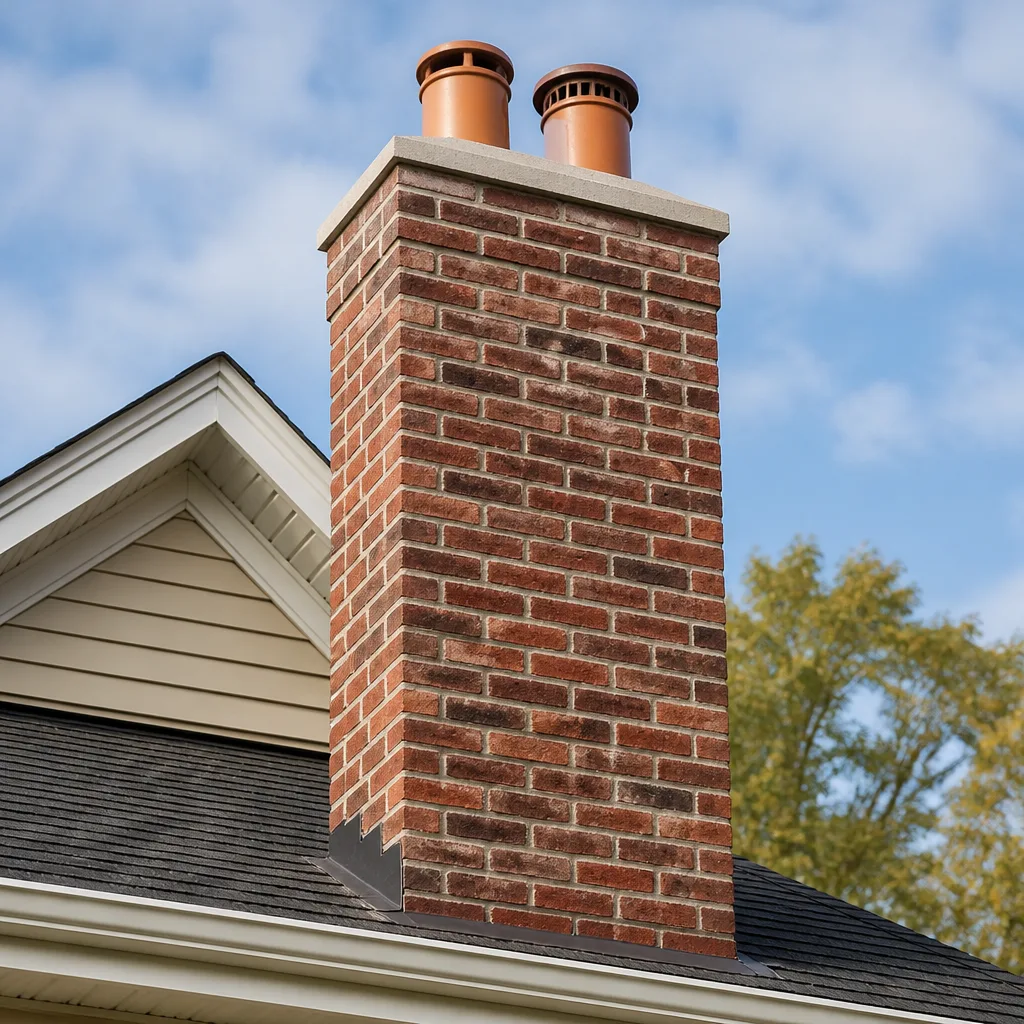 Masonry repair
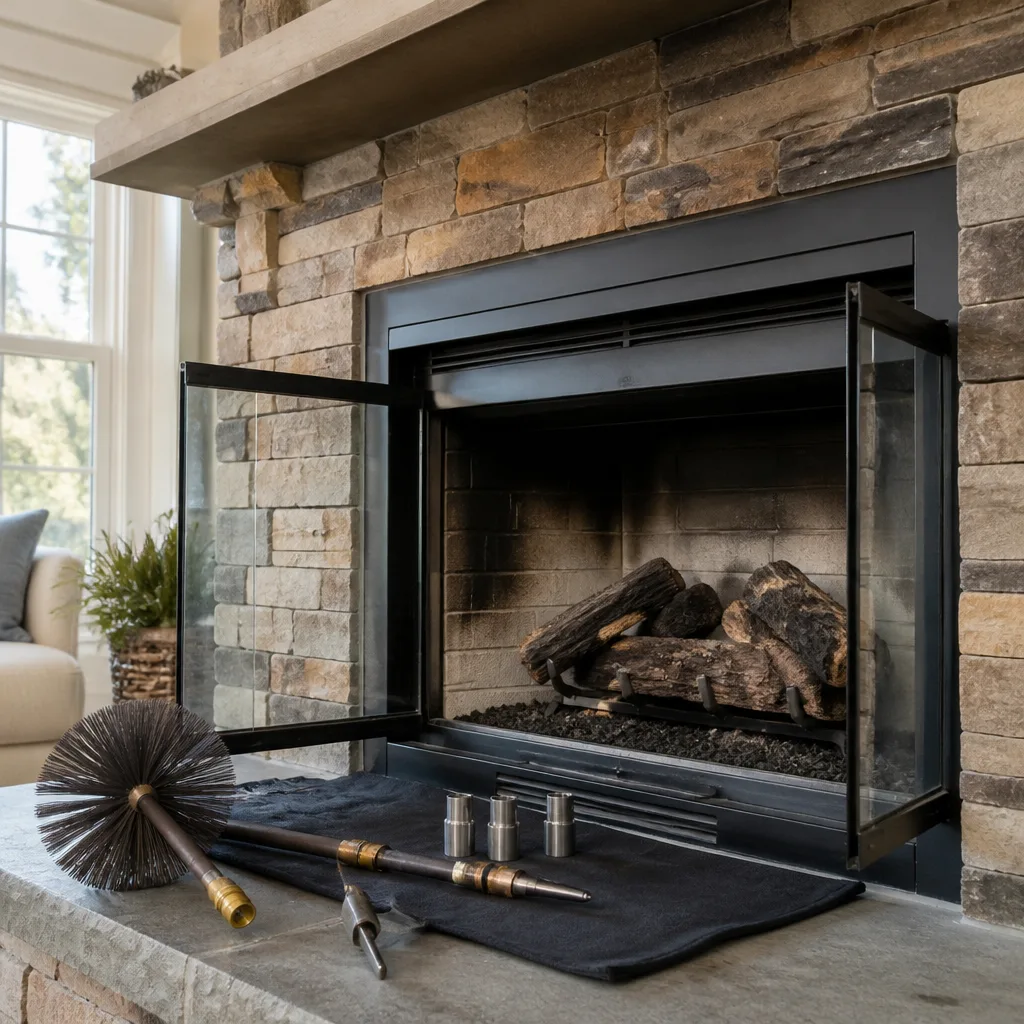 Gas fireplace service
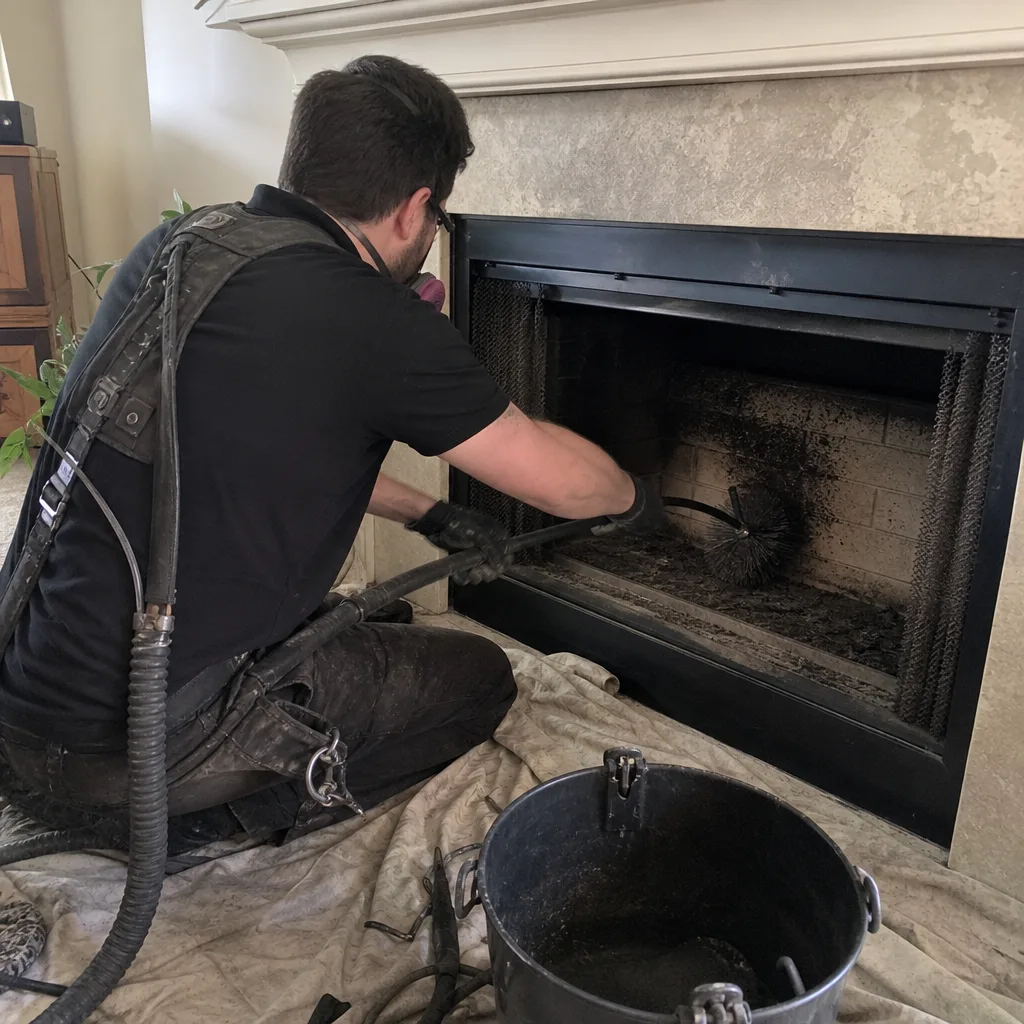
Level 1 sweep and inspection to the NFPA 211 annual standard - flue, crown, cap, and flashing checked and photographed
Chimney sweep logs do not sweep chimneys. They loosen some creosote - which then falls where a brush and vacuum still have to collect it.
How to Hire a Chimney Cleaning Contractor in Visalia: A Step-by-Step Guide
There is no California state license specifically for chimney sweeps. That single fact explains most of what goes wrong in this trade. Anyone who owns a ladder, a brush, and a truck can legally print “chimney cleaning” on a business card in Visalia and knock on your door. Your job, as a homeowner, is to separate the specialist from the opportunist before anyone sets foot on your roof. This guide gives you a practical vetting framework: what certifications actually mean, which questions to ask before booking, how to verify a contractor through public records, and the local red flags that signal a crew you should politely decline.
Quick Answer
To hire a chimney cleaning contractor in Visalia, verify a CSIA Certified Chimney Sweep or NFI credential, confirm active liability insurance with a general contractor’s license or a legitimate business registration, ask which inspection level they perform, and require a written report after the work. Choose a chimney-only specialist over a general handyman or HVAC company, get a written scope of work before booking, and treat vague phone pricing or refusal to provide documentation as disqualifying. The full step-by-step process is below.
Styles & brands we work with
- Sweep & inspection
- Caps & crowns
- Flue relining
- Masonry repair
- Gas fireplace service
Table of Contents
- Why Chimney Credentials Matter More Than a General License
- The Five Questions to Ask Before Booking
- How to Cross-Check a Visalia Contractor in Public Records
- Understanding Inspection Levels 1, 2, and 3
- What “Cleaning” Actually Includes (and What It Doesn’t)
- Red Flags Specific to the Visalia Market
- Specialist vs. HVAC vs. General Contractor: Why Outcomes Differ
- What the San Joaquin Valley Climate Means for Your Chimney
Why Chimney Credentials Matter More Than a General License
California’s Contractors State License Board issues licenses for trades it can define. There’s a classification for plumbing, electrical, HVAC, and general building. There is no chimney sweep classification. A contractor holding a C-20 HVAC license has passed an exam about heating and cooling systems, not about creosote accumulation, appliance flue geometry, or NFPA 211 clearance requirements. That’s why the credentials that actually matter for chimney work come from trade bodies, not the state.
The two credentials worth knowing:
- CSIA Certified Chimney Sweep – issued by the Chimney Safety Institute of America, this requires passing a proctored exam that covers fire codes, venting, and safety, and it must be renewed through continuing education and a re-test cycle. A certified sweep’s name and certification number are searchable on the CSIA database, so verification takes one minute.
- NFI (National Fireplace Institute) – this certification focuses on installation and venting of solid-fuel, gas, and pellet appliances. It’s the relevant credential if your home has a gas insert or a wood stove, where appliance compatibility and flue sizing matter as much as sweep technique.
Neither credential substitutes for insurance and business registration, and they don’t replace a state license where a generalized contractor’s license is required for structural repair. But for the act of cleaning and inspecting a chimney, the CSIA sweep certification is the closest thing to a real qualification standard, and a contractor who doesn’t hold it should be asked why.
The Five Questions to Ask Before Booking
Ask these before a technician is scheduled. A qualified contractor answers them plainly. A generalist dodges.
- “Are you CSIA certified, and what’s your certification number?” Anyone certified can give you the number immediately. Cross-check it on the CSIA website before the appointment.
- “What kind of insurance do you carry, and at what limits?” General liability protects your home if a ceiling or roof is damaged. Ask for the policy limits in writing, and ask whether the technician working on your roof is covered or an uninsured subcontractor.
- “What level of inspection do you perform, and will I get a written report?” A standard cleaning visit should include a Level 1 visual inspection, and a written report documenting what was found – creosote thickness, blockages, joint gaps, cap condition, and any recommended repairs.
- “What exactly does your cleaning include?” Flue brushing, firebox and smoke chamber cleaning, damper check, cap removal and reinstall, and a debris cleanup are standard. Confirm this before booking so the price is for the full job.
- “Do you do repair work yourselves, or do you subcontract it?” A chimney-only specialist handles the sweep, the inspection, and any liner or masonry repair under one roof, which means you’re not handed off to a third party when a crack is found.
These five questions separate a qualified crew from a phone number in about ten minutes. If a contractor refuses to answer any of them, or gives a verbal promise in place of a written answer, that’s the answer.
How to Cross-Check a Visalia Contractor in Public Records
California gives you a real verification tool: the Contractors State License Board lookup at cslb.ca.gov. Use it, even if the contractor claims an exempt status. Here’s how to work through it:
- Search the contractor’s business name or license number in the CSLB lookup. The record shows license classification, expiration, and any disciplinary actions or citations on file.
- Note that a contractor advertising chimney cleaning without a CSLB license is operating under the “handyman exemption,” which limits the total value of any single job and specifically excludes work that requires a licensed contractor. A handyman performing structural repair or relining is out of compliance.
- Ask for a certificate of insurance and call the carrier to confirm the policy is current and lists general liability with adequate limits. A certificate can be forged; a phone call to the insurance company cannot.
- Check the business registration or DBA filing with the county. A contractor operating under a different business name than the one on the insurance certificate is a gap worth asking about.
- Confirm the CSIA certification number separately through the CSIA’s online directory. This is your only reliable check on sweep training.
If a contractor refuses to provide a license number, an insurance certificate, or a CSIA certification number, the verification stops there. A specialist working in Visalia will treat these checks as routine, because they are.
Understanding Inspection Levels 1, 2, and 3
Inspections aren’t one product. The National Fire Protection Association’s standard for chimneys, NFPA 211, defines three levels, and knowing which one you’re getting changes what’s found and what you pay.
- Level 1 – a visual inspection of accessible portions of the chimney, from the firebox to the visible sections of the flue. It happens during a routine sweep, or when you’ve changed nothing about your system. It doesn’t require going inside the flue with a camera.
- Level 2 – a camera inspection of the flue interior, plus access to areas a Level 1 doesn’t reach. It’s required when you’ve had a flue fire, when you’ve changed fuel types or appliances, when you’ve bought a home, or when there’s a suspected liner defect. Most real problems show up here.
- Level 3 – access through a wall or other structural opening when a Level 2 finds a defect that can’t be assessed otherwise. This is diagnostic, not routine, and it’s not something a generic cleaning company will perform.
For most Visalia homes, the practical question is whether your cleaning includes a camera inspection of the flue interior. Ask before booking. A crew that brushes the flue and reports “all good” without using a camera has only seen the parts of the chimney that don’t usually fail.
What “Cleaning” Actually Includes (and What It Doesn’t)
“Chimney cleaning” means dramatically different things depending on who you hire. A qualified specialist’s standard visit looks like this:
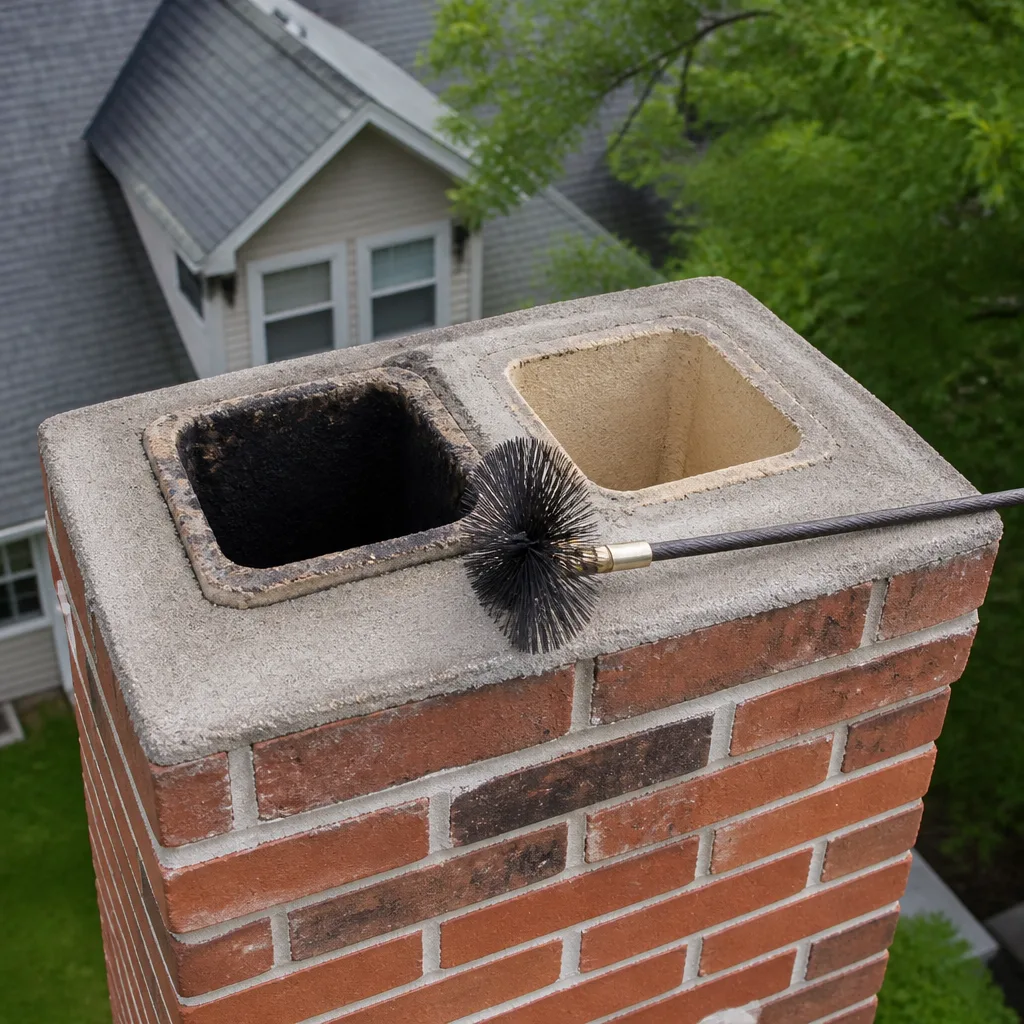
- Brushing the full flue length to remove creosote from all accessible flue surfaces
- Cleaning the firebox, smoke chamber, and smoke shelf (where creosote builds fastest and many crews skip entirely)
- Checking the damper for operation and seal
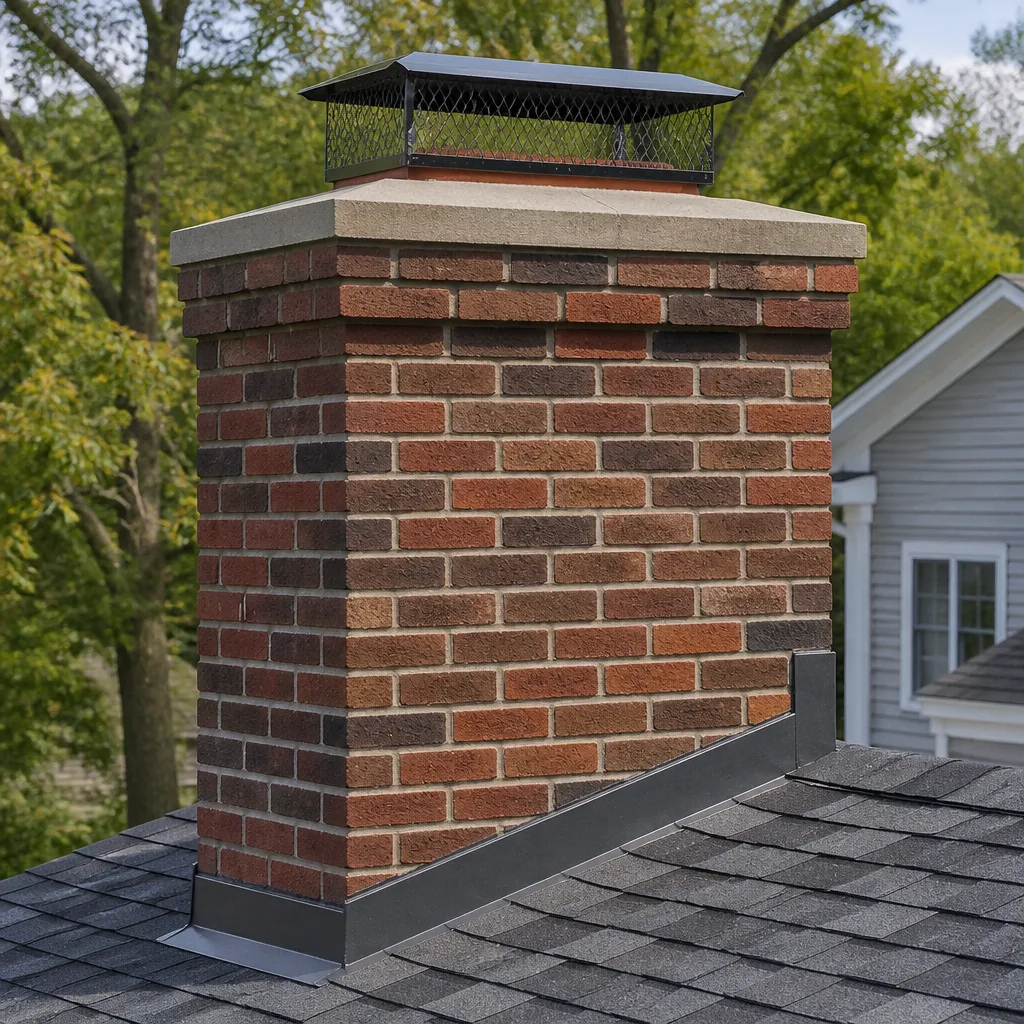
- Removing and reinstalling the cap to inspect the crown and flue top
- A visual (Level 1) inspection, with documentation
- Vacuuming debris from the firebox and the surrounding floor area
What it doesn’t include, and shouldn’t be bundled into a “cleaning” quote without a separate line item: relining, crown repair, mortar repointing, cap replacement, or appliance removal. These are repair services, and a qualified contractor prices them separately after a Level 2 inspection. If a cleaning quote includes “repair” as a vague line item, ask for a written scope.
Red Flags Specific to the Visalia Market
Visalia’s mix of older masonry homes, newer construction with gas inserts, and a fairly active handyman market produces a specific set of warning signs. If any of these show up, slow down:
- A single price quoted over the phone with no inspection. No qualified technician can name a price for a chimney they haven’t seen. Cleaning prices vary with creosote buildup, flue configuration, and access. The estimate should be set per job and confirmed in writing.
- No written scope of work. You should have a document that lists what will be cleaned, what will be inspected, and what will be excluded before the technician arrives. Verbal scope is not a scope.
- Refusal to provide a post-service report. A report is standard, and its absence is the clearest sign you’re dealing with a generalist. Without a report you have no record of the condition of the chimney, which matters if you ever sell the house or file a claim.
- Same-day pressure without a diagnostic. Being pushed to book “today” for a job the contractor hasn’t looked at is a sales tactic, not a safety response.
- A price that drops if you book on the call. Discounts attached to the moment of a call, rather than the state of your chimney, are a red flag in any trade and specifically here.
- The technician can’t name a repair standard or a liner supplier. A specialist will talk about NFPA 211, camera inspection, and specific professional-grade products – DuraFlex liners, HeatShield resurfacing, Famco or Copperfield components. A generalist will talk about “cleaning.”
- No camera in the truck. If the “inspection” is visual only, the liner interior hasn’t been checked. Ask.
Specialist vs. HVAC vs. General Contractor: Why Outcomes Differ
All three hire out as “chimney cleaning.” They are not the same trade.
An HVAC company works on heating, ventilation, and air conditioning. Chimney work is adjacent – it involves flues and venting – but an HVAC technician’s core training is in refrigeration, combustion air, and ductwork, not in masonry chimney geometry, creosote formation, or liner resurfacing. Some HVAC companies do good chimney work, but the chimney sweep is often a side service attached to a furnace service call.
A general contractor or handyman with a ladder and a brush can physically clean a flue. What they typically can’t do is inspect the flue interior with a camera, evaluate whether the liner is properly sized to the appliance, or execute a code-compliant reline when the inspection turns up a defect. When they find a problem, they hand you off to a specialist they don’t control. You’re back to the beginning.
A chimney-only specialist sweeps, inspects, and repairs. The work doesn’t change hands. When an inspection turns up a cracked liner, the same contractor who documented it can quote the reline, source professional-grade materials, and complete the repair without you calling a second number. That continuity is the practical difference, and it’s what “one call, full chimney” actually means in a market this size.
You can verify a company’s real focus by looking at what they advertise. If a contractor’s website, phone greeting, and proposals are all about chimney work, that’s the trade. If chimney cleaning is one line item among twenty, it isn’t their specialty.
What the San Joaquin Valley Climate Means for Your Chimney
Visalia’s chimney conditions are shaped by the valley’s long, dry summers and mild winters. Three local factors affect how often your chimney needs attention and what kind of problems it develops:
- Long dry season. Chimneys that sit idle from spring through fall accumulate dust, debris, and animal intrusion. A cap that came loose over the summer is a much bigger problem by the time you first light the fireplace in the fall.
- Mild winters, fewer freeze cycles. Masonry in the valley sees far fewer freeze-thaw stress cycles than alpine climates, which changes the pattern of cracking you’d expect to find. That doesn’t mean cracks don’t happen – but the cause is more often settling, flue gas moisture, or a missing or damaged cap than freeze damage.
- Wood-burning concentration. A meaningful share of Visalia-area homes heat with wood, at least part of the winter. That means creosote production is real, and the seasonal pattern matters: the best time to book a sweep is before the heating season starts, not after creosote has had all winter to build.
The practical takeaway for a Visalia homeowner: book a sweep in the dry months so the chimney is clean and inspected before you first rely on it. Waiting until the first cold week means more creosote, more access to your roof in worse conditions, and more scheduling pressure. And don’t wait for a visible problem. Most chimney defects, from a hairline crack in a liner joint to early-stage glazed creosote, don’t announce themselves.
Common Mistakes to Avoid
- Hiring on price alone. A cleaning quoted at a number that seems to undercut every competitor is a number you’ll replace with a repair bill. Ask what the price includes before you compare it to anything.
- Assuming the “inspection” is real. A visual-only inspection checks the parts of your chimney you can already see. Without a camera in the flue, the liner interior goes unchecked. The gap between the two is where chimney fires start.
- Skipping the insurance certificate check. A roofer who damages your roof during a sweep is a claim against their insurance, not yours. Confirm the policy is current before they arrive, and confirm the person on your roof is covered.
- Not asking for the report. The written report is your record of the chimney’s condition and the basis for any future repair. Keep it. If a contractor won’t provide one, you don’t have a chimney record.
- Booking a sweep as a repair. Cleaning removes creosote. It doesn’t fix a cracked crown, a gap at the flue top, or a liner that’s failing. Ask for a written scope that separates the two, and don’t let a repair be sold as part of a cleaning.
- Confusing a general contractor’s license with chimney credentials. A C-20 HVAC license doesn’t cover creosote, venting, or liner sizing. Ask for the CSIA certification number separately, and verify it.
- Waiting for a visible problem. By the time a chimney problem is obvious from the ground, it’s usually a repair. The point of a regular sweep and inspection is to catch it while it’s still a maintenance item.
If you’re weighing your options and want a second opinion on what a real scope of work should look like, the chimney sweep process guide walks through what a standard visit includes from start to finish. And if a contractor has told you a liner or masonry repair is needed, the chimney repair page explains how a camera-inspection-based diagnosis should work.
See the difference
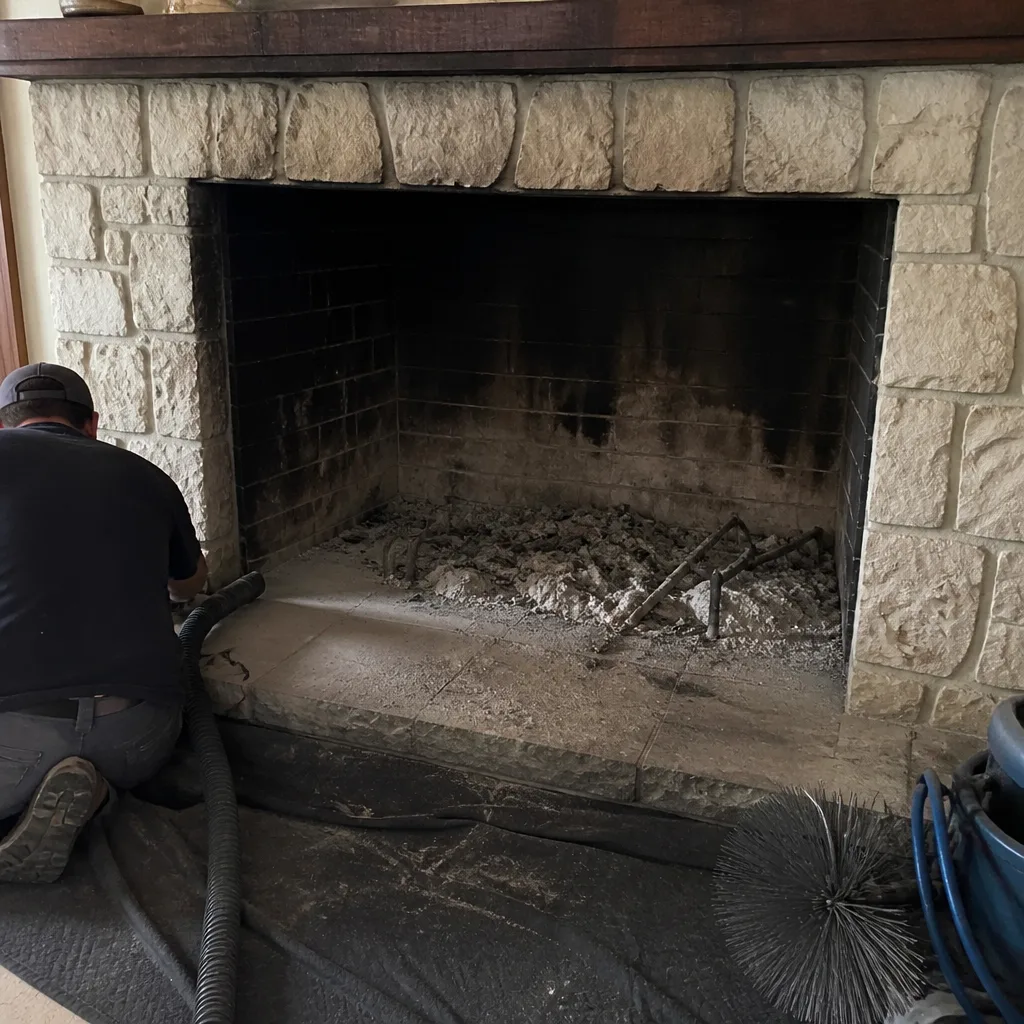 Before
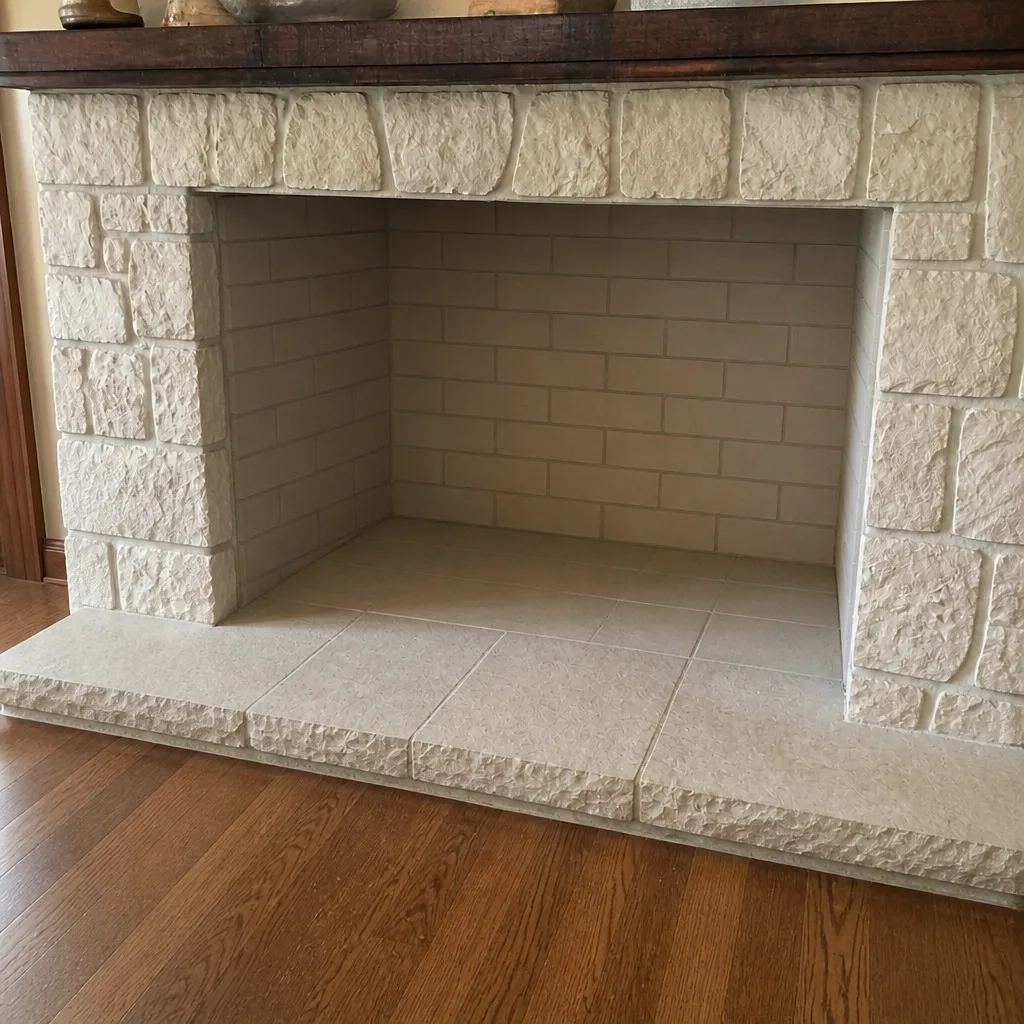 After
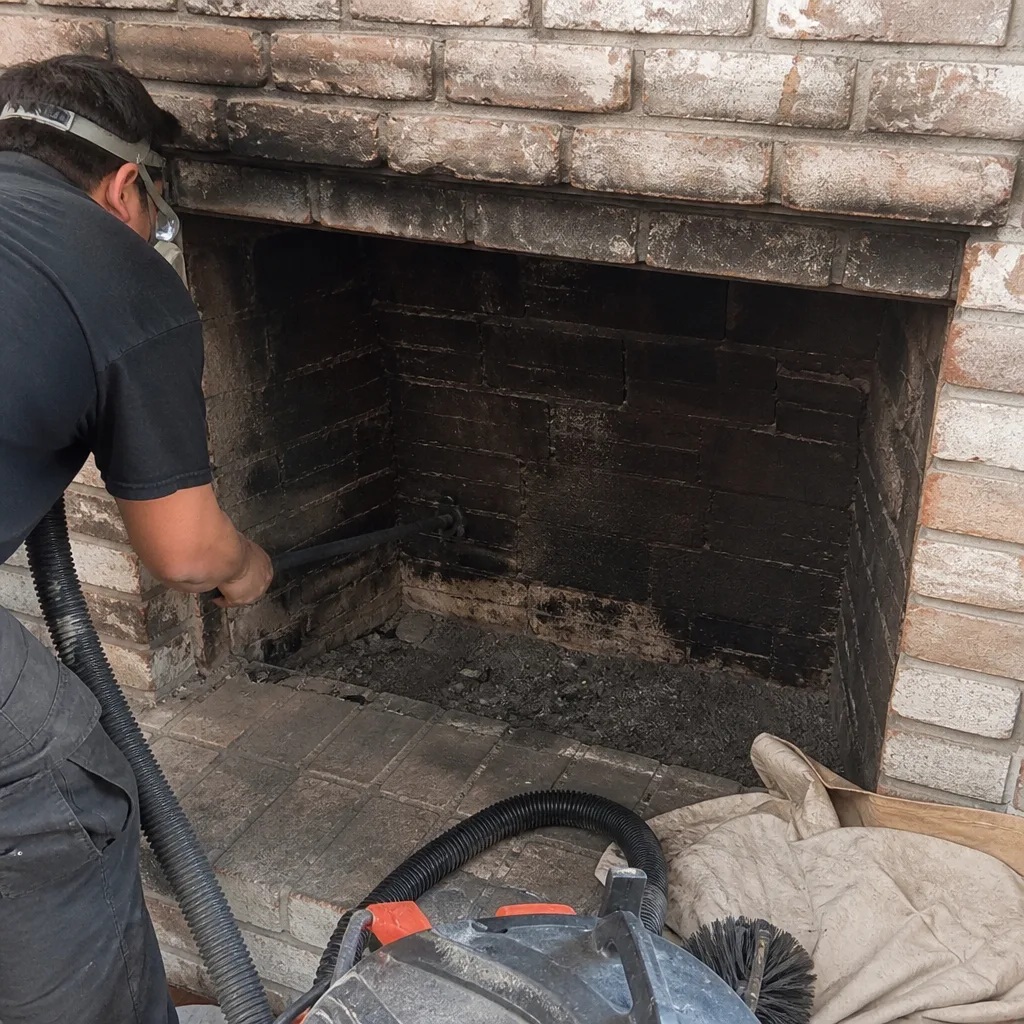 Before
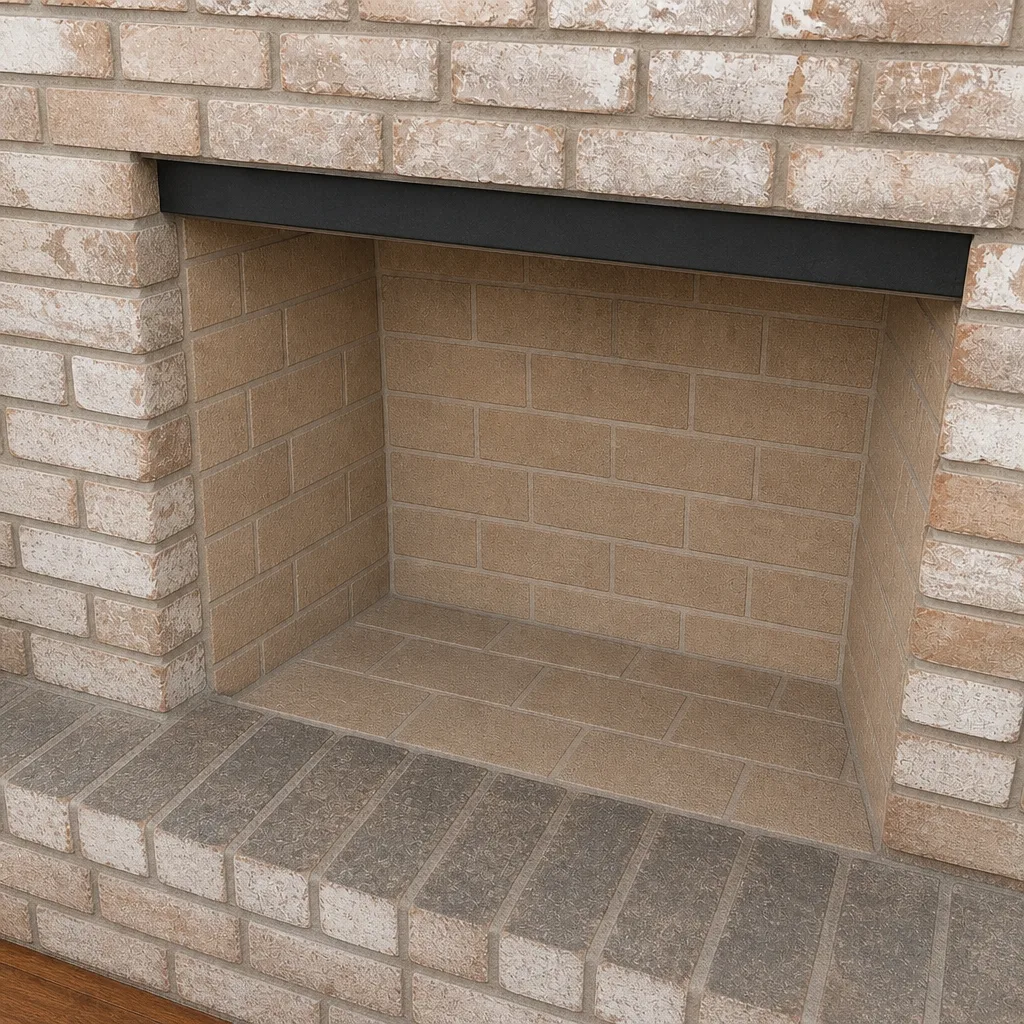 After
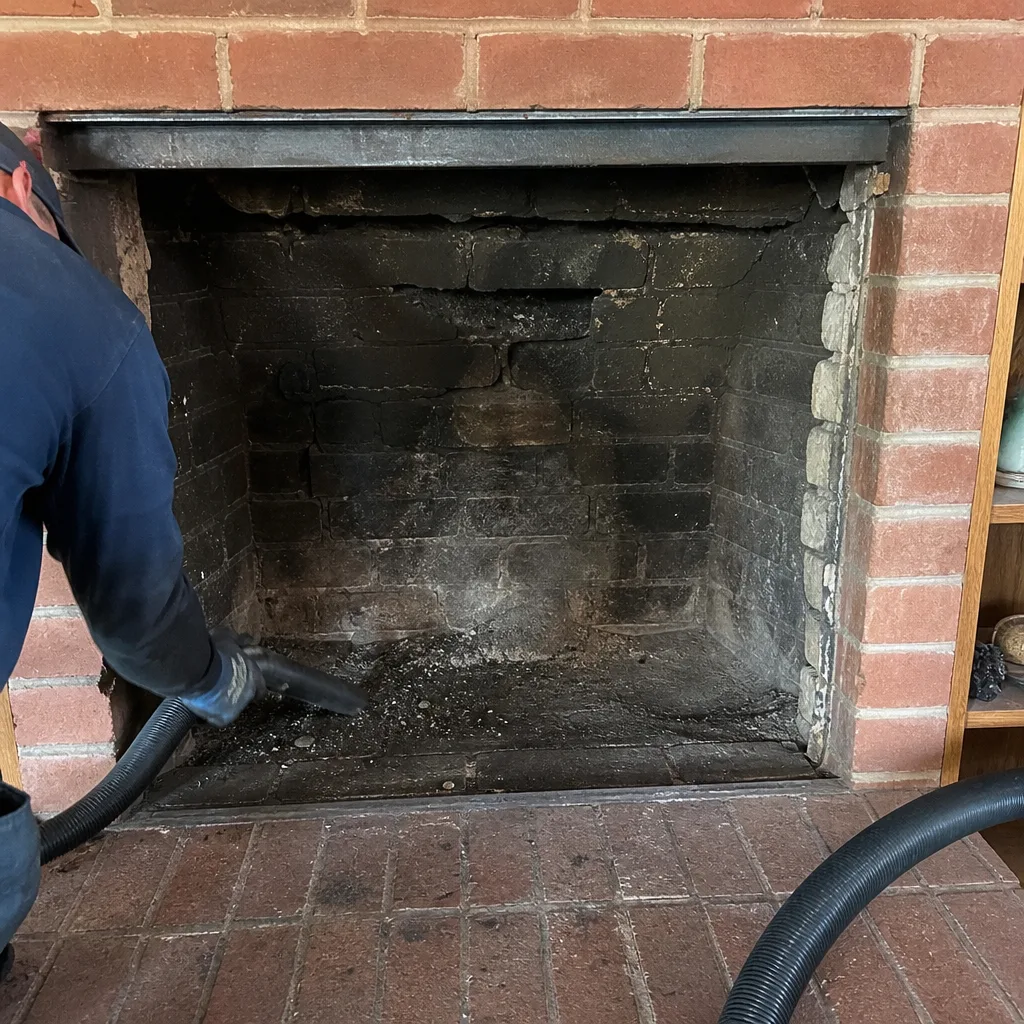 Before
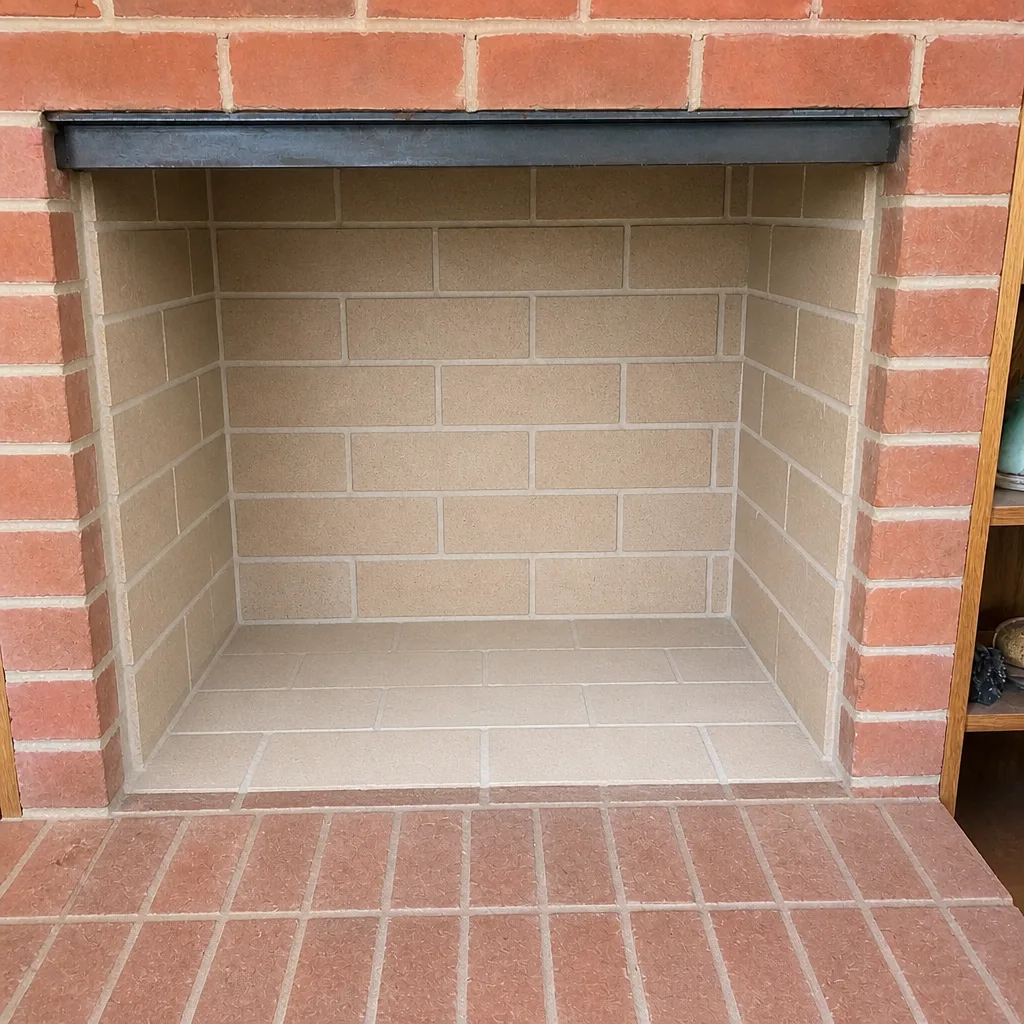 After
When to Call a Professional
Some chimney work is a phone call, not a project. If you haven’t had your chimney swept and inspected in the past year, book a visit before the heating season – that’s the routine maintenance call that catches most problems early. If you’ve had a flue fire, even a small one, you need a Level 2 camera inspection, because a flue fire can crack a liner without any visible sign. If you’re buying a home in Visalia, a Level 2 inspection before you close is standard practice and gives you a real record of the chimney’s condition. If you’ve noticed a strong creosote smell, smoke coming back into the room, a cracked or missing cap, or soot around the firebox, book a diagnostic before you light the next fire. And if a previous contractor told you that you need a liner or masonry repair, get a second opinion that comes with photos you can see for yourself before committing to the work.
Chimney Sweep Visalia offers free estimates in Visalia – call (888) 861-2541. We answer 24/7. Fast dispatch from 7am to 7pm, Sunday through Friday.
If you’re ready to move forward, or just want to see what a sweep-and-inspection visit looks like for your home, start with the Chimney Sweep Visalia service overview, and if you’re newer to the area, our Visalia page covers local service details.
Frequently Asked Questions
Chimney sweeping in Visalia is priced per job by a written estimate, because the work varies with creosote buildup, flue configuration, and access – there isn’t a flat rate that applies to every home. The estimate is free, and the written estimate sets the final price. Call (888) 861-2541 for an exact quote.
You want a CSIA Certified Chimney Sweep for the sweep and inspection portion of the work, because the CSIA credential is the only widely recognized standard that specifically verifies chimney training and renewal. A general contractor’s license covers construction work, not creosote, flue sizing, or venting. Both can matter, but they’re not interchangeable. Ask for the certification number and verify it.
The chimney should be swept and inspected at least once a year, before the heating season starts. If you burn wood heavily, or you notice a buildup of creosote, it may need attention more often. A camera inspection during the annual visit will tell you whether the condition of the flue calls for a shorter interval.
Skipping the annual sweep and inspection allows creosote to accumulate, and creosote is the fuel that makes chimney fires possible. A blocked or damaged flue can also force carbon monoxide and combustion gases back into your home. The risk isn’t hypothetical, and it doesn’t announce itself – a chimney can look fine from the ground and still have a failing liner. A written inspection report is the only way to know. Call (888) 861-2541 to book an inspection before the season starts.
You can’t know from a phone call, and neither can a reliable contractor. That’s why the inspection comes first, and it’s why we recommend a camera inspection of the flue interior whenever a repair has been suggested. If a contractor tells you a liner or masonry repair is needed without photos or a written report, ask for both, and get a second opinion if the work is substantial. Some repairs can safely wait; others shouldn’t be put off through a heating season. The written report should tell you which is which.
A written report should document the condition of the flue interior, the firebox and smoke chamber, the damper, the crown, and the cap, along with any recommended repairs and their reasoning. It should identify the inspection level performed. If a repair is recommended, the report should say why and, ideally, include photos or camera images you can see for yourself. Ask for the report before the technician leaves.
The Bottom Line
Hiring a chimney cleaning contractor in Visalia comes down to verification. There’s no state license for this trade, so the credentials that matter – CSIA certification, NFI certification, liability insurance, and public business registration – have to be checked by you, and a qualified specialist will expect you to check them. Ask the five questions before booking, confirm the inspection level and the written report in writing, and choose a chimney-only specialist over a generalist so the sweep, the inspection, and any repair stay with one contractor. The work is about fire and carbon monoxide safety, not appearance. Treat the hiring process with the same seriousness. Chimney Sweep Visalia handles sweeping, inspection, and repair as a full service under one roof, and a free estimate is a call away.
If you’re ready to book, or you’d like a second opinion on a repair recommendation, call (888) 861-2541. We answer 24/7. Fast dispatch from 7am to 7pm, Sunday through Friday.
Written by the team at Chimney Sweep Visalia.