
Last updated November 15, 2026
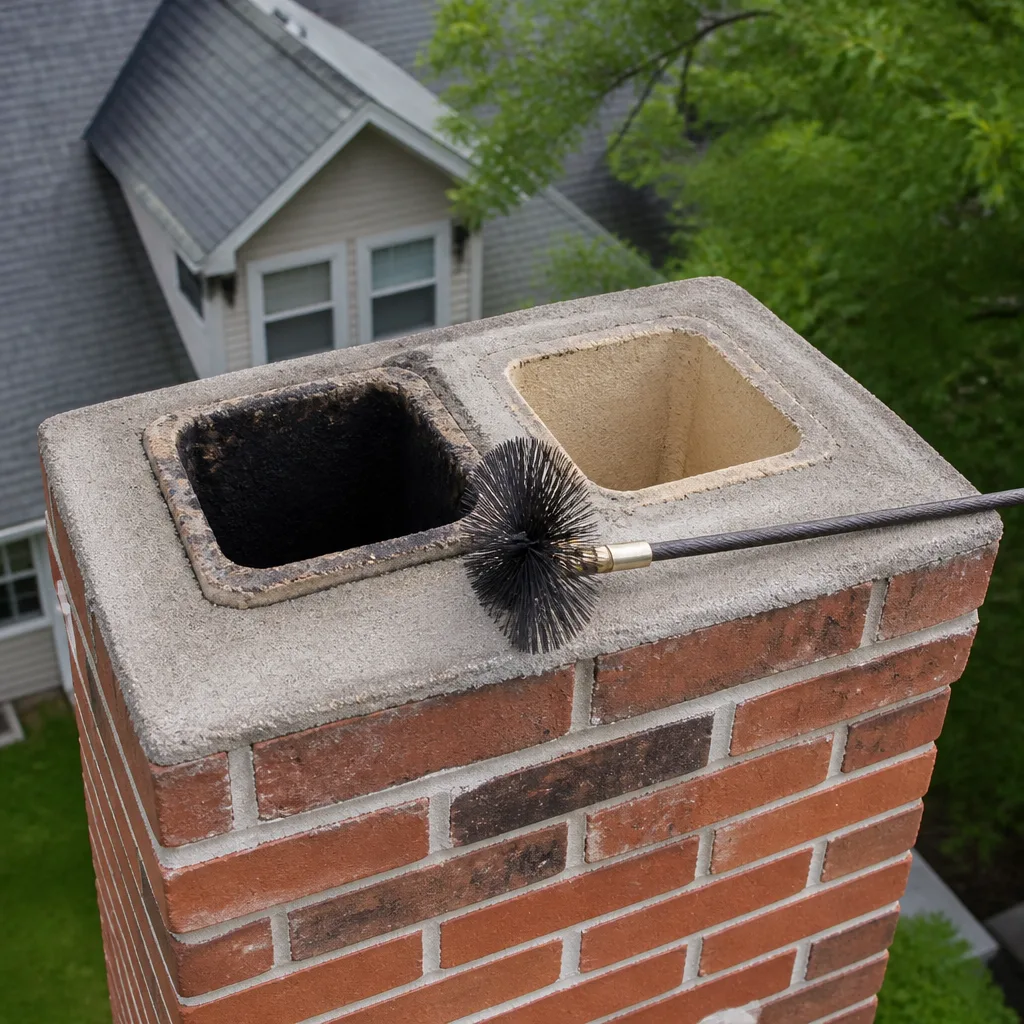 Sweep & inspection
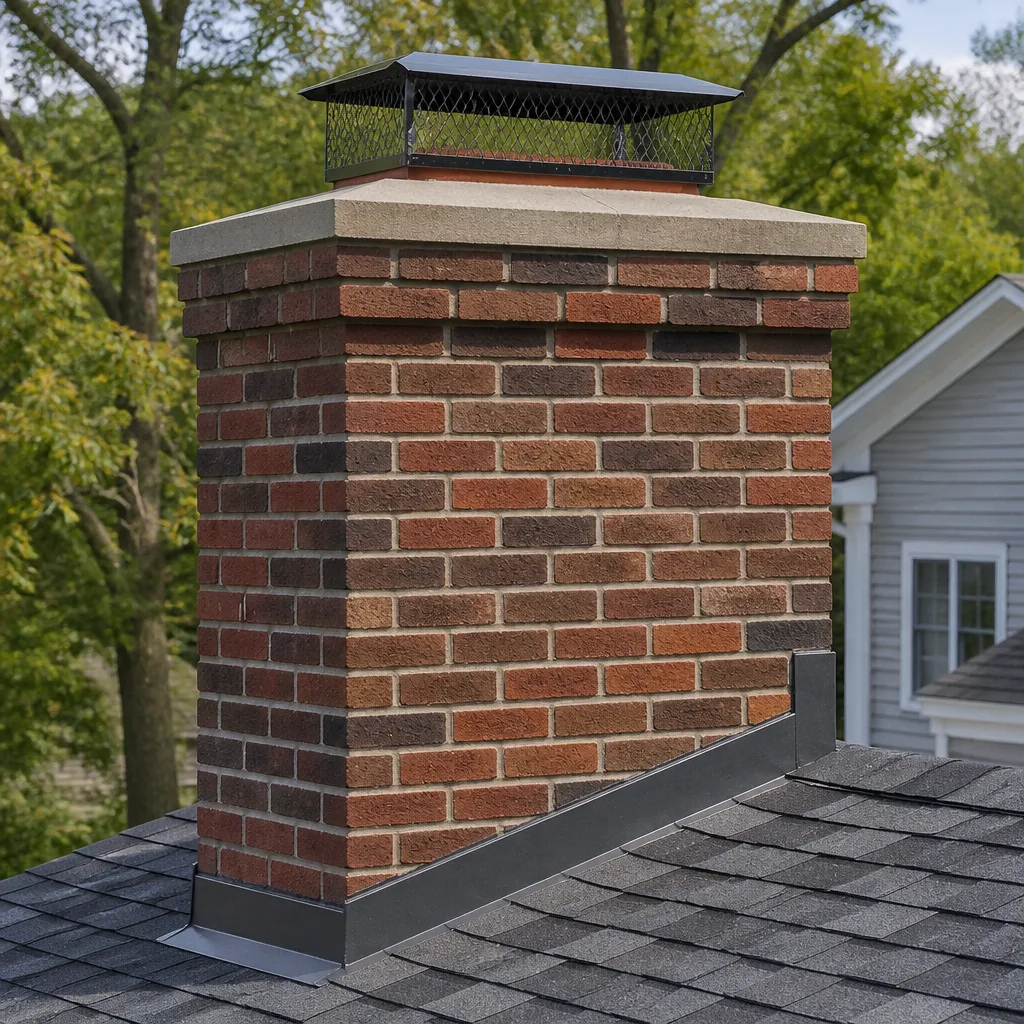 Caps & crowns
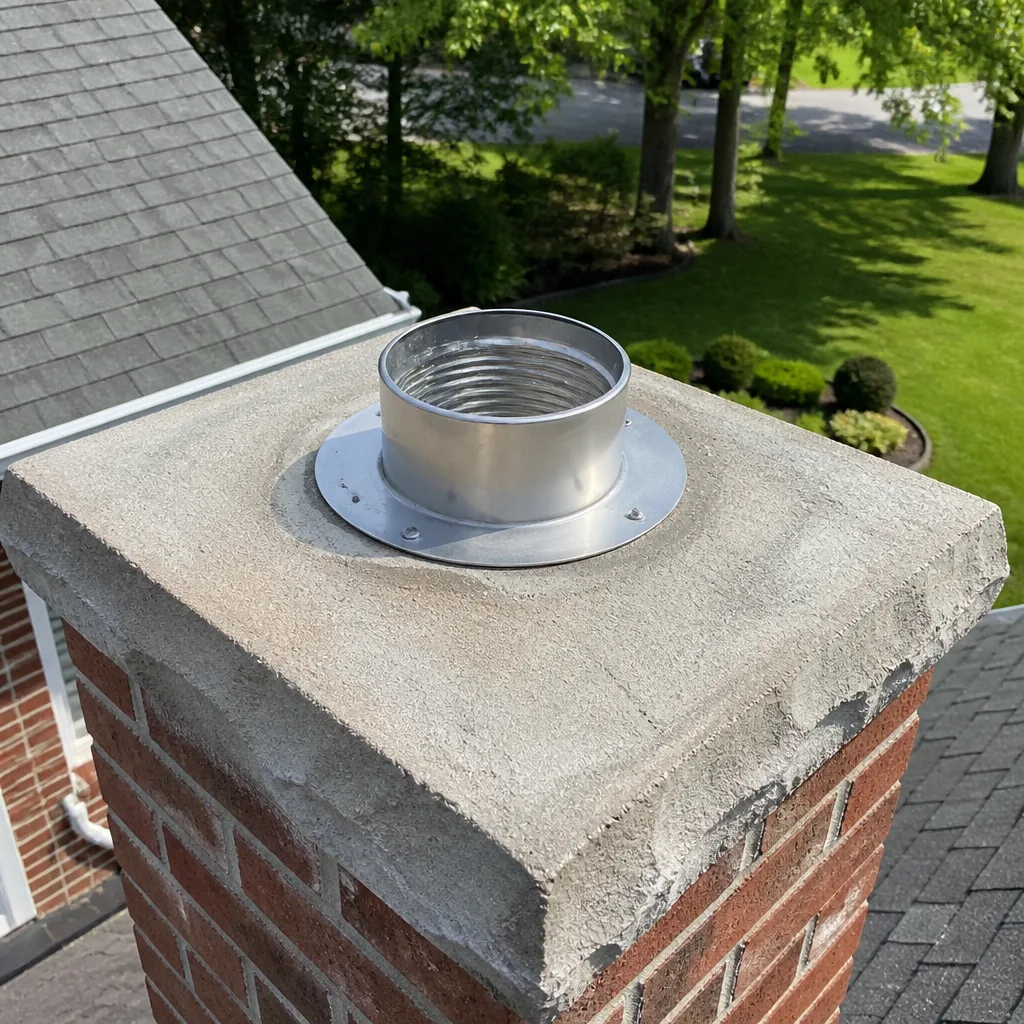 Flue relining
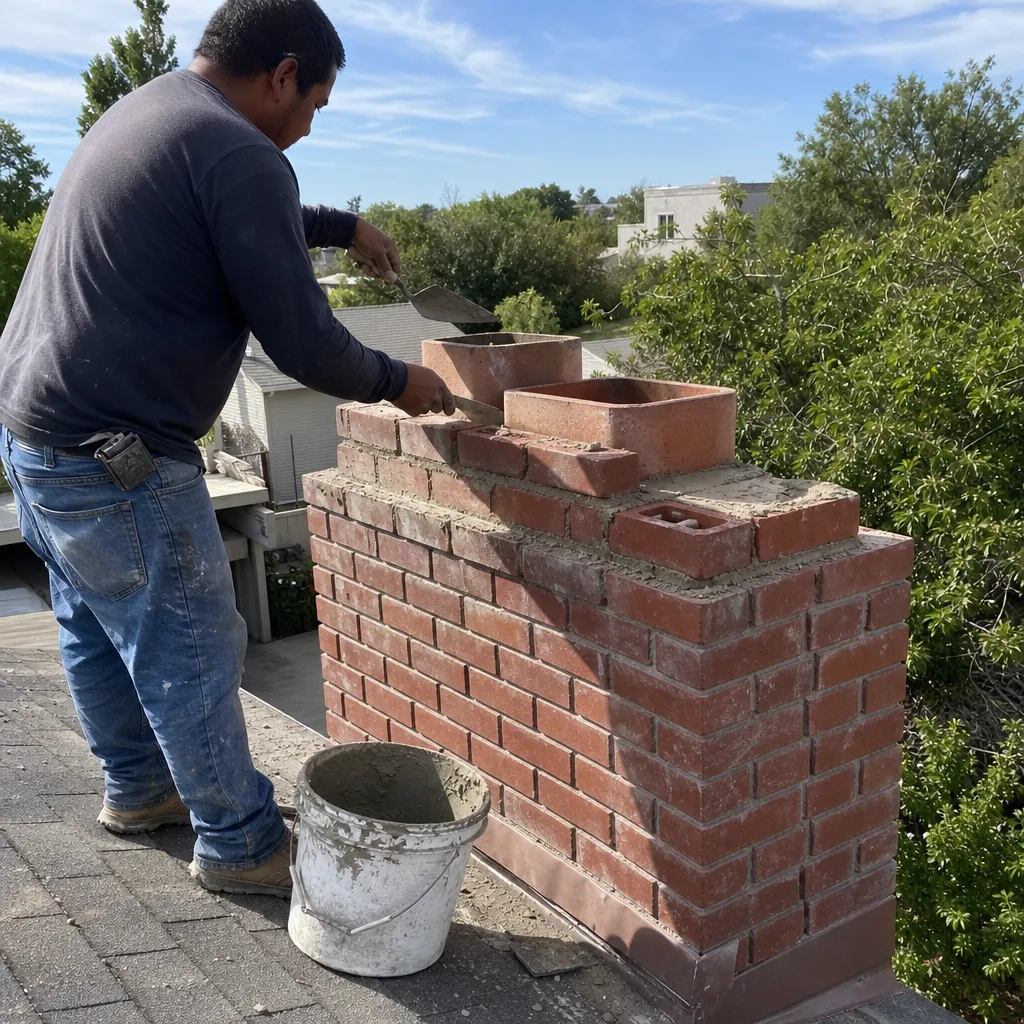
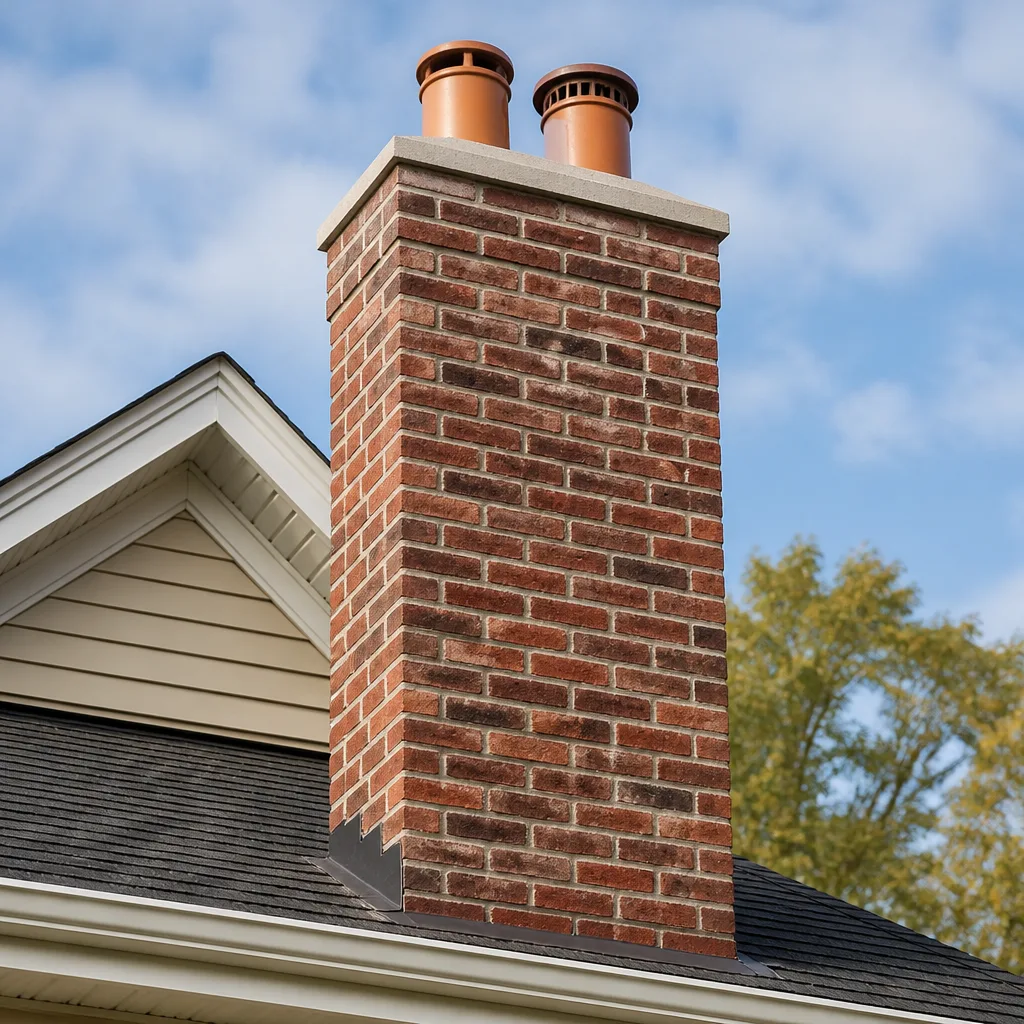 Masonry repair
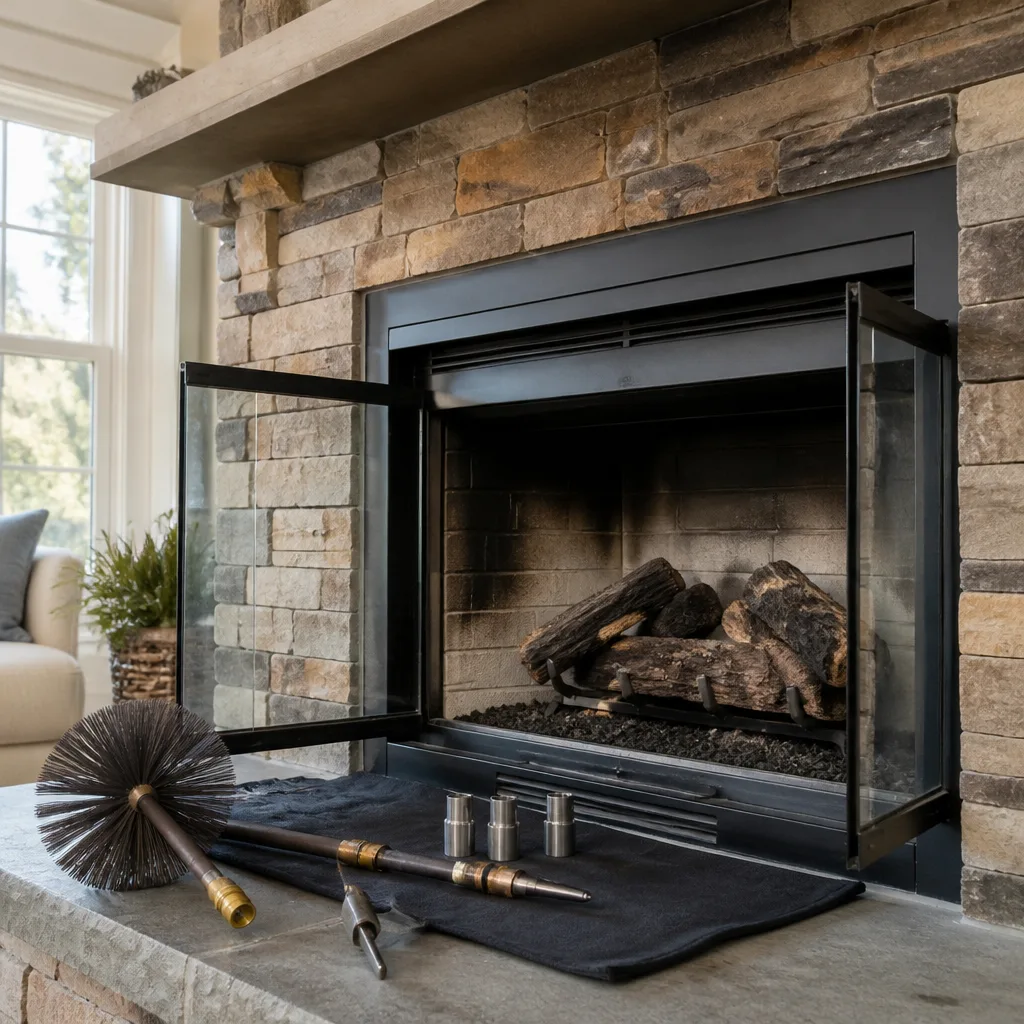 Gas fireplace service
Level 1 sweep and inspection to the NFPA 211 annual standard - flue, crown, cap, and flashing checked and photographed
Chimney sweep logs do not sweep chimneys. They loosen some creosote - which then falls where a brush and vacuum still have to collect it.
Chimney Cleaning Emergency Preparedness Guide for Visalia Homes
Most homeowners picture a chimney fire the way it looks in a movie: flames licking out of the firebox, a column of smoke, sirens in the distance. The reality is quieter and far more dangerous. A chimney fire can burn at around 2,000°F inside a flue you can’t see into, sound like nothing more than a low roar or a series of pops behind the wall, and burn itself out before anyone arrives. What it leaves behind is cracked masonry, warped metal liners, and a fireplace that’s no longer safe to use. This guide walks Visalia households through what a chimney emergency actually looks and sounds like, the exact sequence to follow when one starts, and how to prepare the house long before you ever need it.
Quick Answer
If you suspect a chimney fire, close the damper, get everyone out of the house, and call 911. Do not pour water into the firebox or flue. If you smell gas or suspect carbon monoxide, leave immediately and call 911 from outside, then have the chimney inspected at NFPA 211 Level 2 standards by a chimney specialist before lighting another fire. Preparation, not reaction, is what keeps a Visalia home safe: a clean, inspected flue is the difference between a scare and a structural loss.
Styles & brands we work with
- Sweep & inspection
- Caps & crowns
- Flue relining
- Masonry repair
- Gas fireplace service
Table of Contents
- The Three Sensory Indicators of an Active Chimney Fire
- The Correct Sequence When a Chimney Fire Starts
- Why Water Makes a Chimney Fire Worse
- What the Fire Department Does and What Comes Next
- Carbon Monoxide Preparedness for Chimney Systems
- Post-Emergency Documentation for Insurance
- Building a Year-Round Preparedness Plan in Visalia
- Common Mistakes to Avoid
The Three Sensory Indicators of an Active Chimney Fire
A chimney fire announces itself through sound, sight, and touch, and most people only know one of the three. Learn all of them before the season starts. The roar is the tell that saves houses.
Auditory: What You’ll Hear
A chimney fire often sounds like a low, rumbling roar, similar to a distant freight train or a windstorm pushing under a door. You may also hear a rapid crackling or popping, which is the creosote igniting in stages up the flue. Some homeowners describe a sound like tapping or ticking in the walls behind the fireplace. Any of these combined with an active fire in the firebox is a reason to act.
Visual: What You’ll See
Look outside. Dense black or dark brown smoke pouring from the chimney cap, and puffs of smoke that look almost like exhaust from a diesel engine, are strong indicators. Sparks or flecks of burning debris visible at the cap are another. Inside, you may see flames at the top of the firebox or a glow coming through the flue joints. A bright, hot fire that suddenly gets very loud and very fast is a warning sign.
Tactile: What You’ll Feel
Walk to the wall or the face of the chimney and hold your hand near it. A wall that’s unusually hot to the touch, or a chimney breast that’s warmer than the room around it, means heat is escaping where it shouldn’t. That’s a fire inside the flue or heat transferring through a failing liner. Unusual heat is the indicator people miss most often, and in Visalia’s older masonry homes, it’s the one worth checking first.
The Correct Sequence When a Chimney Fire Starts
When you hear the roar, the instinct to grab water is strong. Resist it. The steps below are the order that protects your family and your house.
- Close the damper. Closing it starves the fire of oxygen and slows it. It won’t put it out, but it limits how much fuel reaches the flue.
- Leave the room. Get everyone out of the house, including pets. A chimney fire can break through a failing flue and spread to wall framing.
- Call 911 from outside. Tell dispatch you have a chimney fire and give your address. Don’t re-enter to gather belongings.
- Don’t pour water on it. Water on a 2,000°F flue can crack masonry or warp a metal liner and can cause a steam flash that burns you or fills the room with scalding vapor.
- Don’t use a fire extinguisher inside the firebox. The flue is the problem, not the firebox, and a dry chemical extinguisher won’t reach the creosote burning above.
- Stay out until the fire department clears you. Even if the fire seems out, the flue can stay hot for hours.
If you’re not certain there’s a fire but something is off – a strange smell, a roar with no visible flames – call 911 anyway. Firefighters would rather look and find nothing than arrive too late. This is the sequence we walk Visalia homeowners through when they call us after an event, because it’s the one that keeps the call a precaution instead of a rebuild.
Why Water Makes a Chimney Fire Worse
The instinct to douse a chimney with a garden hose or a bucket of water comes from campfire logic, and it backfires inside a house. Here’s what happens when water hits a very hot flue.
- Thermal shock cracks masonry. Clay tile liners and mortar joints don’t survive rapid cooling from 2,000°F to a splash of cold water. A cracked flue lets fire and smoke into the wall cavity.
- Metal liners warp and split. A flexible stainless liner is not designed for a cold-water shock at that temperature. It can buckle and open seams.
- Steam scalds. Water flashing to steam expands violently and can push burning material and vapor back into the room at you.
- Water damage compounds the loss. Smoke and soot damage becomes water damage, which is harder to document and harder to insure.
Firefighters use a very different technique when they need to suppress a flue fire – typically controlled application of a specific dry chemical or a chemical stick, applied by trained crews. Leave that to them. Your job is to close the damper, get out, and call.
What the Fire Department Does and What Comes Next
When the Visalia Fire Department responds to a chimney fire, the crew’s first job is to confirm the fire is contained and no flames have spread into framing. Depending on what they find, they may check the attic and the wall cavity with thermal imaging, use a chimney-specific suppression tool from the roof, and confirm the fire is out. They don’t inspect or repair chimneys – that’s not their role.
Once the fire is out and the scene is cleared, the critical step for any Visalia homeowner is a Level 2 chimney inspection. This is the standard defined by NFPA 211, the national code that covers chimney safety and inspection scope. What a Level 2 involves:
- Video camera inspection of the full flue interior to look for cracks, gaps, deteriorated mortar, or a collapsed liner
- Inspection of the firebox, damper, smoke chamber, and cap
- Assessment of the chimney exterior, including crown and flashing
- Verification of clearances to combustibles in framing and attic areas
- A written report documenting damage and recommending repair scope
That inspection is what tells you whether the fireplace is usable again. A cracked flue after a chimney fire means carbon monoxide and fire can move into the house instead of up the chimney. Until a Level 2 inspection confirms the flue is sound, the fireplace should stay dark. When damage is present, we resurface a compromised flue interior with HeatShield and reline with a DuraFlex flexible stainless system, which brings the chimney back to code and back to usable condition.
Carbon Monoxide Preparedness for Chimney Systems
Carbon monoxide from a chimney is a different emergency than a chimney fire, and the visible clues are almost nothing. CO is colorless and odorless. By the time a person feels the headache, dizziness, and nausea of CO exposure, the level inside the house is already high.
Where to Place CO Detectors Relative to the Fireplace
Place one CO detector in the room where the fireplace sits, and another in each bedroom area and on each floor of the home. High on the wall or on the ceiling is better than near the floor, because CO – unlike propane – mixes upward with warm room air. Keep the detector at least 15 feet from the fireplace itself so normal startup smoke doesn’t trigger it, but close enough to catch CO that’s escaping into the room.
Chimney CO Events vs. Appliance CO Events
A blocked or cracked chimney flue produces CO that comes from the fireplace and is usually strongest when a fire is burning or shortly after. If the CO alarm sounds while a wood fire is going, treat it as a chimney event: close the damper, open windows, get everyone out, and call 911. An appliance CO event – from a furnace, water heater, or gas range – typically happens when the appliance runs, not when the fireplace does. If your gas insert or water heater triggers the alarm and the chimney isn’t involved, a technician trained on gas appliances should be involved, and a chimney specialist should confirm the flue isn’t part of the problem.
In Visalia, many homes run a gas insert or a wood-burning fireplace alongside a central furnace. That mixed setup is exactly where confusion happens. If you’re not sure whether the CO came from the chimney or another appliance, call us at (888) 861-2541 and we’ll help you figure out which specialist you need.
Post-Emergency Documentation for Insurance
Chimney fire claims go smoother when the evidence is gathered before anyone hauls debris away or cleans the soot. Here’s what to capture in the first day.
What to Photograph
- The exterior of the chimney at the roof, from a safe vantage – cap, crown, and any visible cracks
- The firebox interior – soot patterns, cracks in the refractory panel, damaged damper
- Smoke damage inside the house – ceiling stains, soot deposits on walls, contents affected
- Any water damage deployed by the fire crew, because insurers track that separately
- The fire department’s incident scene, if permitted by the crew on site
What Written Records to Get
- The fire department’s incident report number and any written report or summary they’ll provide
- Names and badge numbers of responding officers for your own record
- A written Level 2 inspection report from a chimney specialist, including photos from the camera inspection
- Your own timeline: when you noticed the first sign, when you called 911, and what happened next
The Level 2 inspection report is the backbone of an insurance claim. It’s also the piece a general contractor can’t produce, because the flue interior and the chimney structure are what has to be documented. When we prepare a damage report, we photograph what the camera sees and write the findings in plain language so your adjuster can read it without a call. That report, combined with the fire department record, is what gets a claim approved instead of argued.
Building a Year-Round Preparedness Plan in Visalia
Preparedness is less about what you do during an emergency and more about the conditions you keep so one rarely starts. In the Visalia area, winter is mild and fireplaces burn shorter, cooler fires more often, which is itself a creosote hazard. Cool, smoldering fires deposit more creosote than hot ones. Three things reduce your risk:
- Schedule an annual sweep. A chimney sweep removes the creosote layer before it can build into the flammable glazed stage. Creosote ignites and feeds a chimney fire – clean it before it gets there.
- Get a Level 1 inspection each year, and a Level 2 after any event. A Level 1 visual inspection is right for an annually-serviced chimney with no known damage. A Level 2 is required after a chimney fire, after a chimney is struck by an animal or storm, or when you move into a new home and don’t know its history.
- Fix the small stuff before it fails. A missing chimney cap lets water and animals in, which damages the flue from the inside. A cracked crown lets moisture into the masonry. Those are jobs we handle with a proper cap from Olympia Chimney or a Gelco top-mount cover, matched to the flue dimension so it actually seals.
Store a few items near the fireplace for emergencies: a phone you can grab and carry outside, a flashlight, and a CO detector on the same floor. That’s the whole kit. Rest of the preparation lives in the chimney itself, not in a drawer.
Common Mistakes to Avoid
- Assuming you’ll need a new liner after every chimney fire. Some fires leave the flue intact and only need a thorough cleaning and a Level 2 to confirm it. Wait for the inspection before agreeing to major repair.
- Pouring water into the flue. The instinct to douse a fire can crack masonry, warp a liner, and scald you with steam. Close the damper, get out, and call 911.
- Using the fireplace after a fire before a Level 2 inspection. The fire department doesn’t certify the chimney as safe – they put the fire out. The line between “usable again” and “not yet” is a Level 2 inspection.
- Skipping the CO detector because the fireplace “always worked.” A hairline crack in a flue tile can develop quietly during a small fire. A detector is the only way to know before you feel symptoms.
- Hiring a general handyman to clean the chimney. A chimney is a safety system with specific inspection standards. A specialist with the right camera equipment and code knowledge catches what a generalist won’t. Our chimney repair work is built on the same inspection discipline as our sweep service.
- Ignoring the exterior of the chimney. Missing caps, cracked crowns, and failed flashing let water into the masonry, which damages the flue from the outside. Those are common in Visalia homes with stucco and older brick chimneys.
- Not saving the fire department’s incident report. Insurers ask for it. Track it down before the report gets harder to retrieve.
See the difference
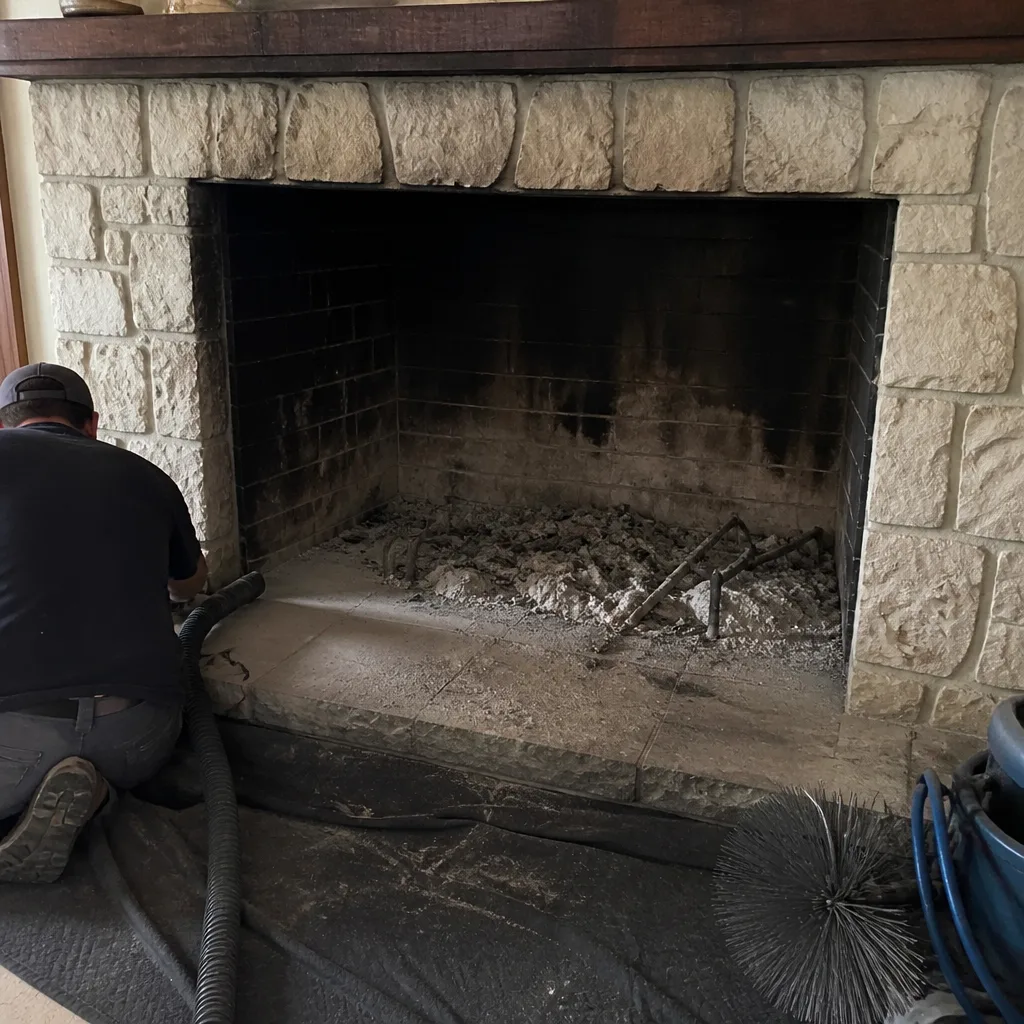 Before
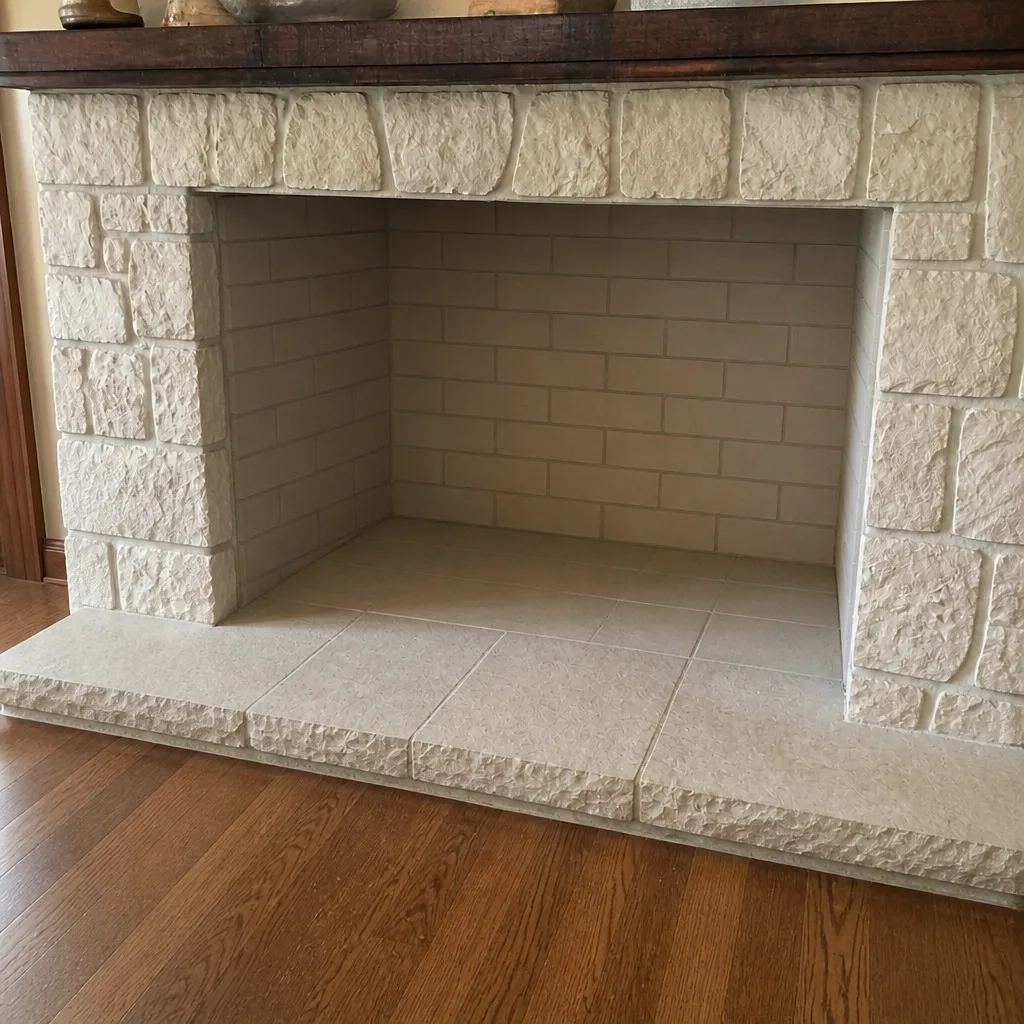 After
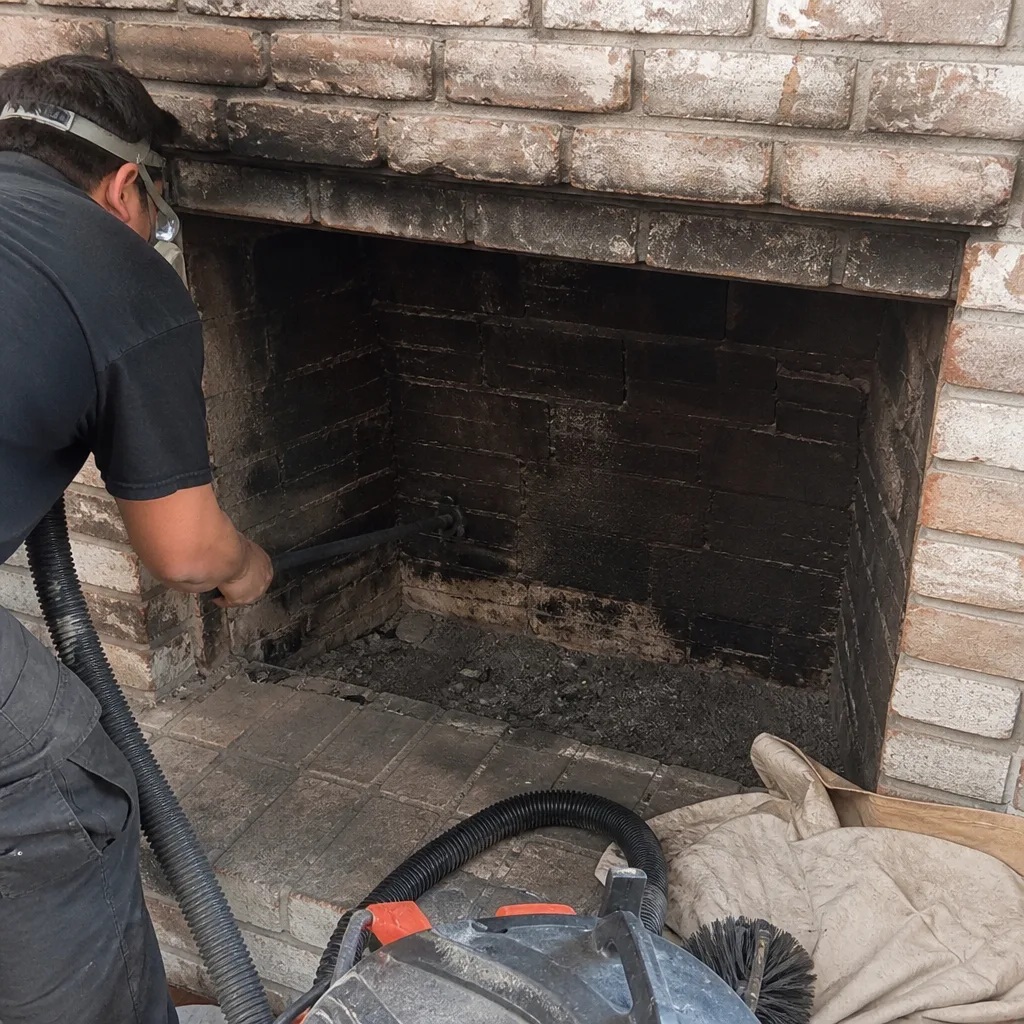 Before
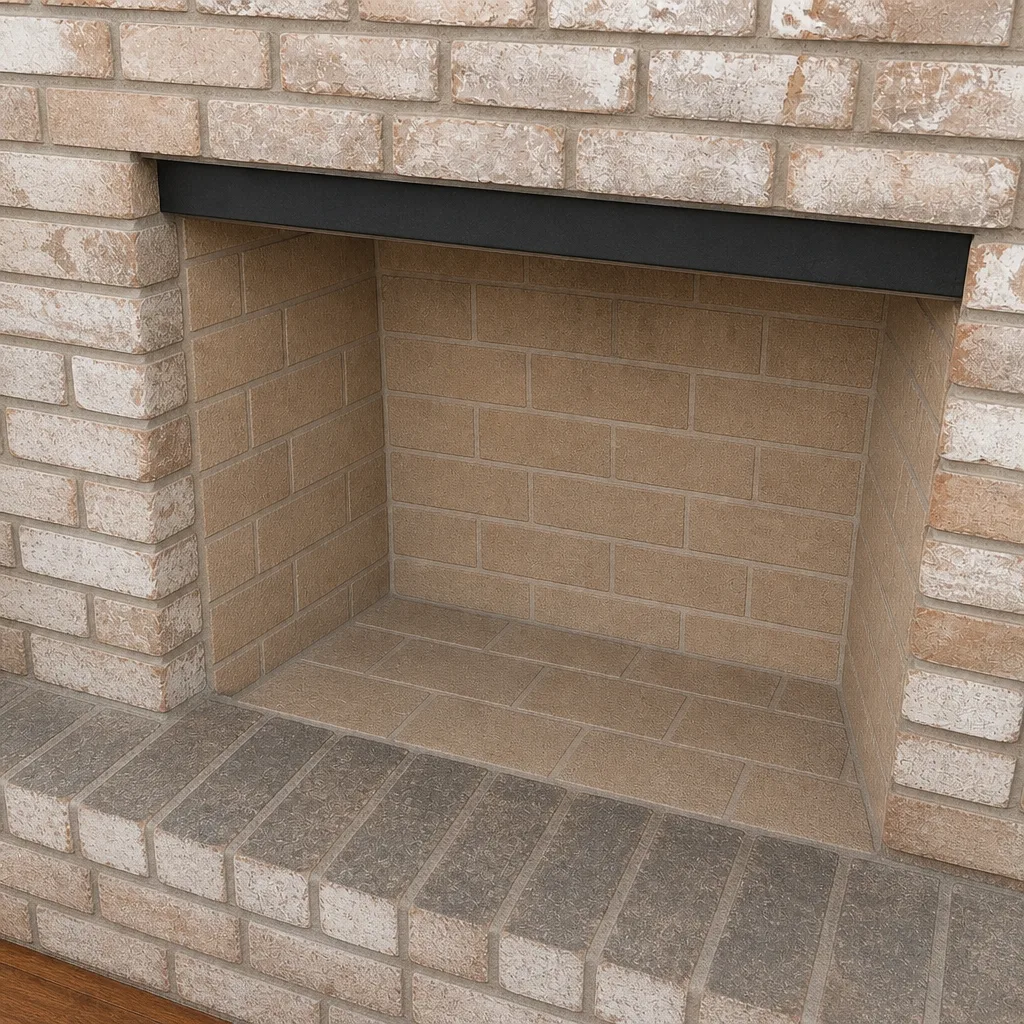 After
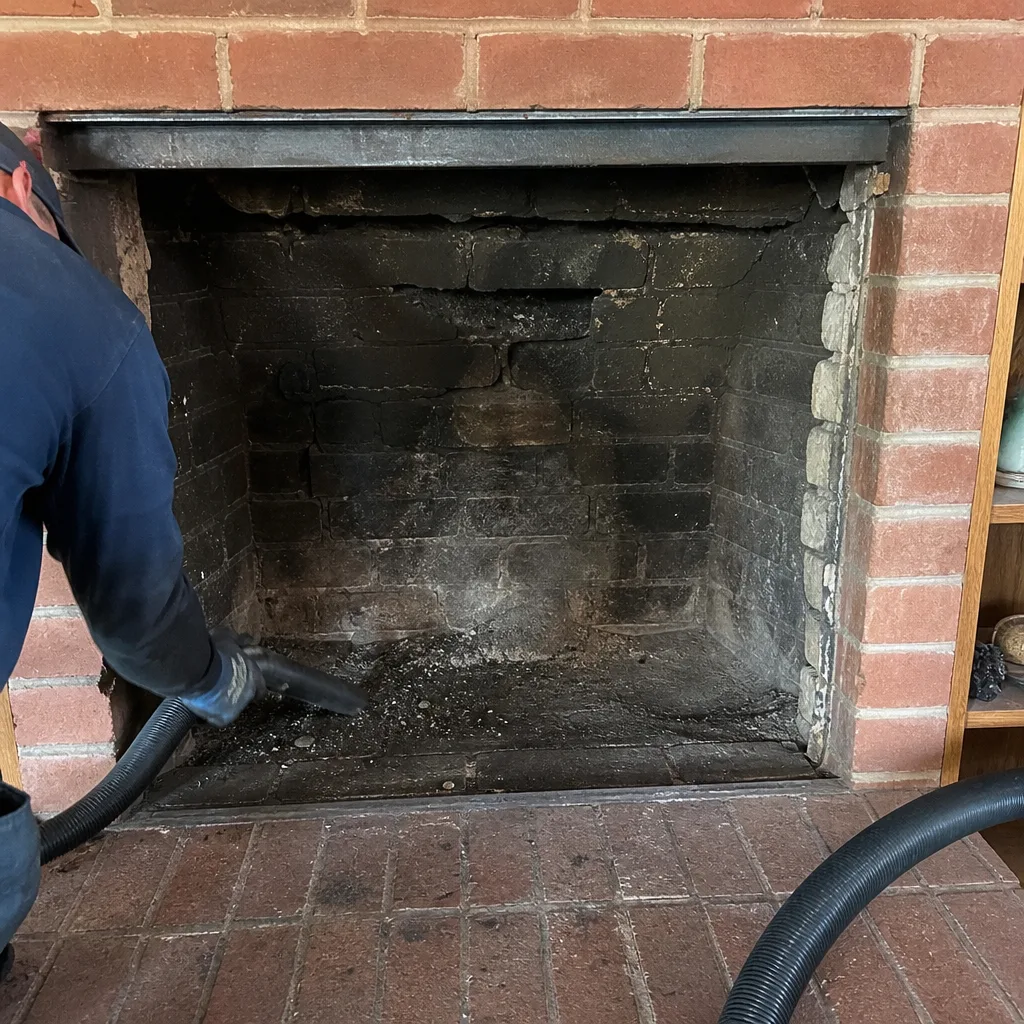 Before
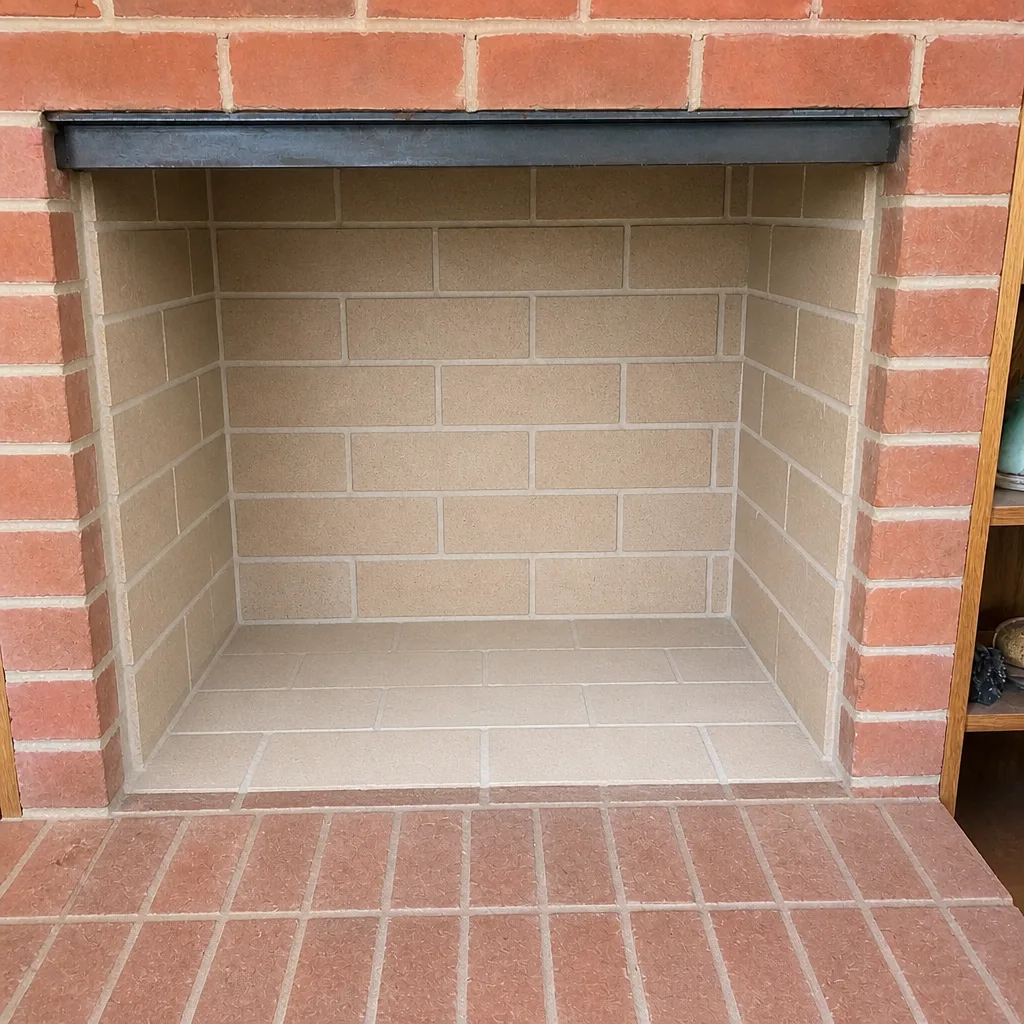 After
When to Call a Professional
Call a chimney specialist when you smell creosote on a warm day, when a chimney fire has occurred and you need a Level 2 inspection, or when you see or suspect any of the following: a missing cap, a cracked crown, crumbling mortar in the firebox, a damper that won’t close, a CO alarm that sounds while a fire is burning, or an animal in the flue. Also call us if you’re buying a home in Visalia and don’t know the chimney’s history. Those are the calls that keep a small problem from becoming an emergency.
Chimney Sweep Visalia offers free estimates in Visalia. Call (888) 861-2541. We answer 24/7. Fast dispatch from 7am to 7pm, Sunday through Friday. The written estimate sets the final price, and no repair is recommended without camera evidence you can see for yourself.
Frequently Asked Questions
Close the damper, get everyone out of the house, and call 911. Don’t pour water into the firebox or flue, and don’t use a fire extinguisher inside the fireplace. Once the fire department clears the scene, a Level 2 inspection has to happen before the fireplace is used again. Call (888) 861-2541 and we’ll schedule that inspection and walk you through what the camera shows.
Most Visalia chimney sweeps fall in a typical range based on flue configuration, accessibility, and whether a Level 2 camera inspection is included. The written estimate sets the final price, and you’ll get it before any work starts. The inspection and photo report should be included so you can see the flue yourself. Call (888) 861-2541 for an exact quote – estimates are free.
Not always. Some chimney fires leave the flue intact enough that a cleaning and a confirmed Level 2 inspection are enough to bring it back into service. A cracked or warped liner, however, means the chimney isn’t safe to use without repair. We won’t tell you that until we’ve shown you the camera footage of the flue interior. Call (888) 861-2541 and we’ll inspect first.
Once a year for most wood-burning fireplaces, and more often if you burn heavy or use a gas insert that accumulates debris. The NFPA 211 standard is the reference most chimney professionals work from, and an annual sweep plus a Level 1 inspection is the baseline. Cooler Visalia winters mean many fires burn poorly, which builds creosote faster than a hot fire. Call (888) 861-2541 to schedule a sweep and a visual inspection.
Creosote builds up on the flue walls, and at the glazed stage it ignites readily. A chimney fire can then crack a flue tile or warp a metal liner, which allows carbon monoxide and fire to enter the house instead of going up the chimney. Most of those fires go unnoticed until an inspection finds the damage. The Chimney Sweep Visalia answer is simple: get the flue checked before the season starts. Call (888) 861-2541 to book it.
Most homeowners policies cover chimney fire damage, but the claim lives or dies on documentation. You’ll need the fire department’s incident report and a written Level 2 inspection report from a chimney specialist, including photos from the camera inspection. Capture the firebox, cap, and any smoke damage before anything is cleaned. Call (888) 861-2541 and we’ll produce that report before the cleanup begins.
The Bottom Line
A chimney fire is quieter, hotter, and faster than most people expect, and the difference between a scare and a rebuild is preparation. Close the damper, get out, call 911, and never pour water on it. After any fire, a Level 2 inspection is what tells you whether the fireplace is safe to use – and a written inspection report is what makes an insurance claim work. In Visalia, the best path is a yearly sweep, a yearly visual inspection, a functioning CO detector near the fireplace, and a specialist who handles the sweep, the inspection, and the repair. Sweep. Inspect. Repair. One call covers all three. Call (888) 861-2541 for a free estimate. We answer 24/7. Fast dispatch from 7am to 7pm, Sunday through Friday.
Written by the team at Chimney Sweep Visalia.