
Last updated November 15, 2026
 Sweep & inspection
 Caps & crowns
 Flue relining
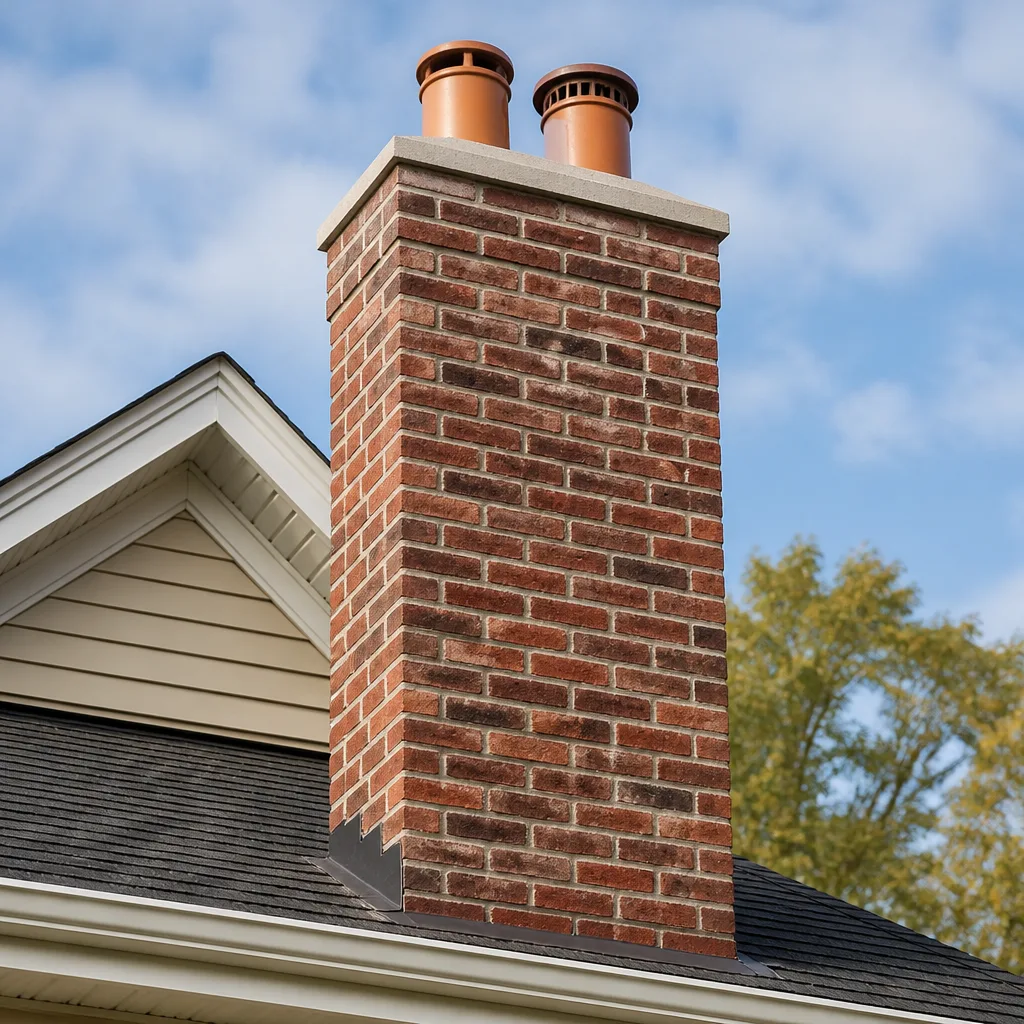 Masonry repair
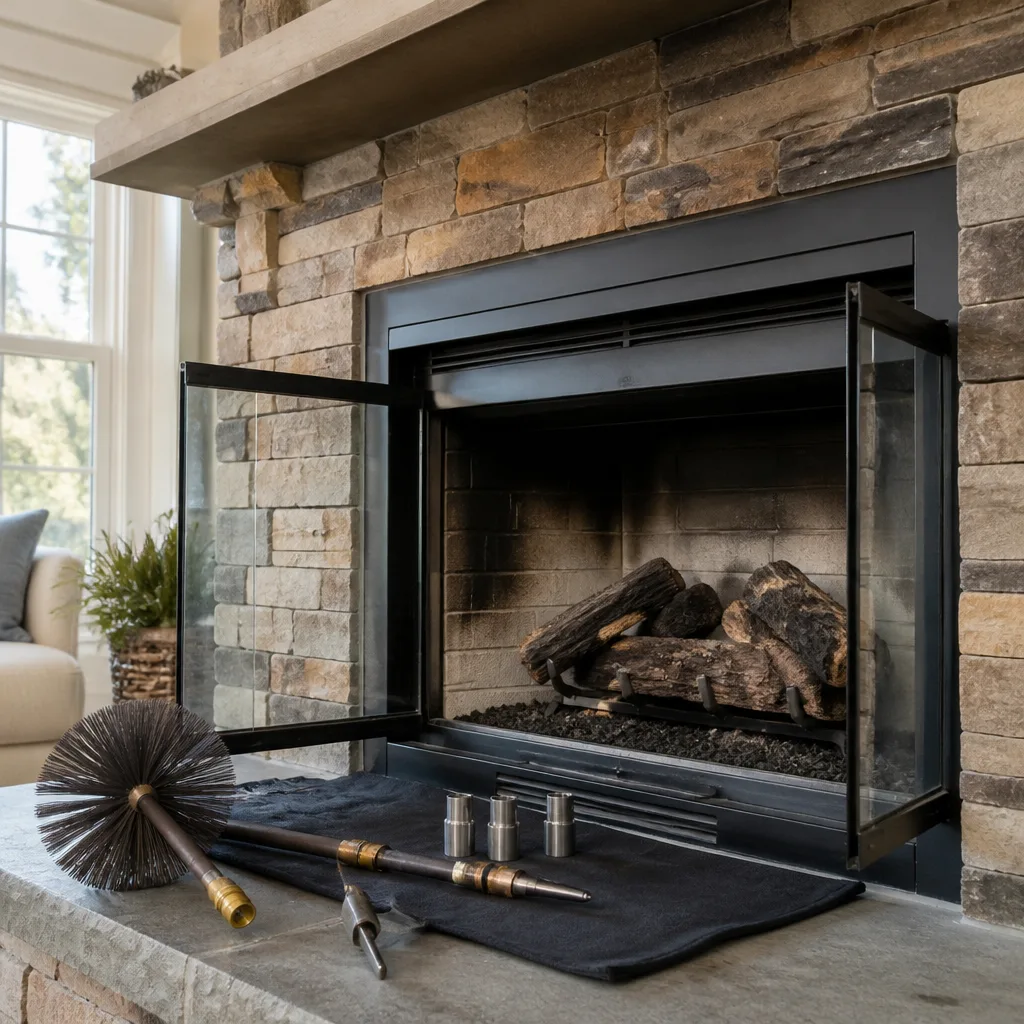 Gas fireplace service
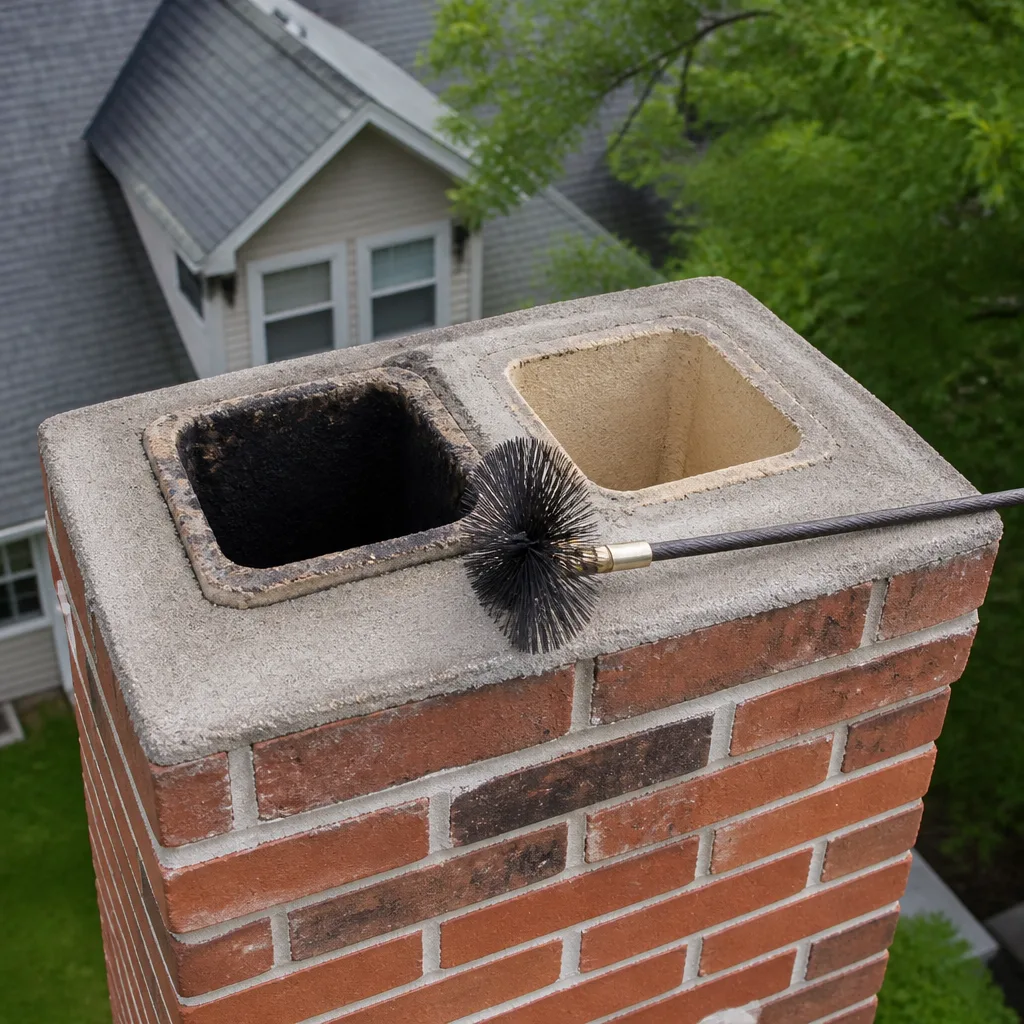
Level 1 sweep and inspection to the NFPA 211 annual standard - flue, crown, cap, and flashing checked and photographed
Chimney sweep logs do not sweep chimneys. They loosen some creosote - which then falls where a brush and vacuum still have to collect it.
Chimney Cleaning Permits, Codes & Inspections in Visalia, CA: What You Need to Know
Most people assume a permit is something you pull for a new roof or an addition. A chimney liner? That gets filed under “maintenance.” That assumption is wrong, and it can cost a Visalia homeowner more than they expect. In California, several chimney repairs count as construction work under the residential code, and unpermitted work has a way of surfacing years later during an insurance claim or a property sale. This guide walks through where the permit lines actually fall, how the City of Visalia processes chimney permits, what NFPA 211 requires, and how to protect yourself from work that never should have been done without one.
Quick Answer
In Visalia, routine chimney sweeping does not require a permit, but structural chimney repairs – liner installation, firebox reconstruction, and full cap or chase cover replacement that alters the structure – generally do, because the California Residential Code treats them as construction work. Separate from permitting, nearly every insurance policy and real estate transaction expects the chimney to meet NFPA 211, the national standard for chimney, fireplace, vent, and solid fuel components. If you are unsure which category your job falls into, the safe move is to ask the City of Visalia building department before work begins, not after.
Styles & brands we work with
- Sweep & inspection
- Caps & crowns
- Flue relining
- Masonry repair
- Gas fireplace service
Table of Contents
- Cleaning vs. Repair: Where the Permit Line Sits
- Which Chimney Repairs Actually Trigger a Permit in Visalia
- How a Chimney Permit Works in Visalia and Tulare County
- Insurance Consequences of Unpermitted Chimney Work in California
- NFPA 211: The Standard Inspectors and Courts Both Use
- The Three Inspection Levels and When Each Applies
- Permits and Chimneys at the Time of Sale
- Visalia’s Climate and Housing Stock: Why Chimneys Age the Way They Do
Cleaning vs. Repair: Where the Permit Line Sits
Here is the distinction that matters most, and it is the one homeowners ask about least. A cleaning visit and a repair visit are different events from a code standpoint. Sweeping removes creosote, soot, and debris from the flue and firebox. It changes nothing structural. No permit applies to it anywhere in Visalia, or in California generally.
A repair visit can go either way. The job begins the same – a sweep, then an inspection with a camera – and then something gets discovered. A cracked flue tile. Failed mortar joints in the firebox. A chase cover rusted through. A liner that has pulled away from the top plate. That is when the question shifts from “what’s dirty” to “what’s being changed,” and changing the system is what code cares about.
The practical problem is timing. Most damage is found during a cleaning visit, which means the homeowner is standing in the driveway hearing about a repair that has just crossed into permit territory. Some contractors will quietly fold that repair into the sweep invoice, no paperwork mentioned. That is the shortcut to avoid. When we identify damage during an inspection, our job is to hand you the evidence – the camera footage, the photos, the written report – and let you decide how to proceed, including whether the repair can safely wait while you check permit requirements.
- No permit: sweeping, brushing, vacuuming, cap removal for cleaning, visual inspection, camera inspection.
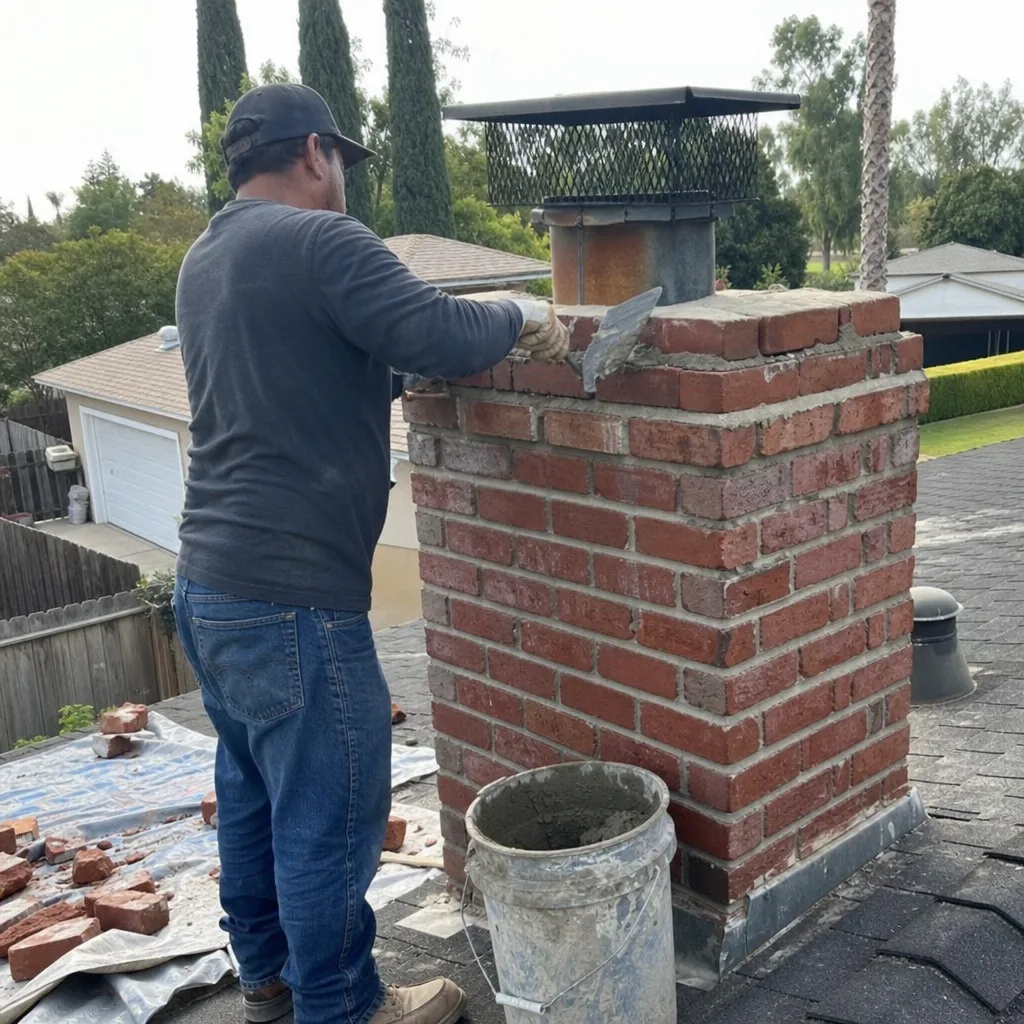
- Usually a permit: relining the flue, reconstructing a firebox, replacing a chase cover or cap where the structure is changed, repairing or rebuilding a chimney crown beyond minor patching, any work that changes how the appliance vents.
- Always ask the building department: anything you are unsure about. A five-minute phone call beats a discovery during escrow.
This is why a single company handling Chimney Sweep Visalia‘s three core services matters. When sweep, inspect, and repair are all under one roof, the person who finds the damage is accountable for explaining what the repair legally requires.
Which Chimney Repairs Actually Trigger a Permit in Visalia
The California Residential Code governs one- and two-family dwellings, and it treats chimney repairs that alter the structural or venting system as construction. Visalia builds on that base with local amendments administered through the city’s building department, so the safest answer is always to confirm with them. But the categories below are the ones that consistently fall into permit territory.
Liner installation and replacement
Installing a new flue liner – whether a stainless flexible system from a line like DuraFlex or a cast-in-place resurfacing system – changes the venting path of the appliance. That is a construction activity. It involves clearances to combustibles, proper sizing, and correct termination at the top. It also requires an inspection to confirm the liner is installed to the listed manufacturer’s instructions. This is not paperwork for its own sake. The inspection is the reason the liner can be documented as compliant if a buyer’s inspector questions it years later.
Firebox reconstruction
Rebuilding firebox walls with new refractory materials, replacing a damaged hearth structure, or re-casting the firebox back to a workable surface is a structural repair. It falls under the same category as any other construction within the home. A company using a professional-grade resurfacing product like HeatShield is applying a repair, not a cleaning, and the building department treats it that way.
Cap and chase cover replacement
Here the line is the difference between replacing a damaged part and changing the structure. Swapping a rusted cap for a new one is often straightforward. Replacing a chase cover on a prefabricated chimney – the metal or masonry top that closes the chase – crosses a line the building department should confirm before work starts, because it involves sealing and terminating a vented system. A company familiar with Gelco and Famco components knows the difference between a like-for-like replacement and a structural change.
Crown repair and rebuild
Patching a hairline crack in the chimney crown falls under routine maintenance. Rebuilding the crown, especially when the old one is failing because the overhang wasn’t built correctly in the first place, is a structural repair. Ask the building department which category your job fits.
How a Chimney Permit Works in Visalia and Tulare County
Chimney permits in Visalia are issued through the City of Visalia building department; properties outside the city limits fall under Tulare County. The process is not complicated, but it does have stages, and skipping one is how work ends up recorded as unpermitted. Here is how a typical residential chimney permit moves from start to final sign-off.
- Scope and submittal. The contractor describes the work in writing and submits the permit application, often with a simple drawing of the chimney and the proposed repair. For a liner replacement, the manufacturer’s listing information comes along with it.
- Plan review and issuance. Simple residential chimney permits are often issued over the counter. Larger repairs may go through a plan review phase. Timeline varies by the building department’s workload, which is worth asking about up front.
- Work performed to code. The contractor installs the liner, rebuilds the firebox, or replaces the chase cover in accordance with the approved scope and the manufacturer’s instructions.
- Inspection. A city or county inspector visits to confirm the work matches the permit and meets code. Depending on the scope, there may be more than one inspection stage – for instance, a rough-in inspection before a liner system is closed up, then a final.
- Final sign-off. The permit is signed off and closed. This is the piece of paper that matters years later, when a buyer’s inspector asks whether the liner was permitted and inspected.
Ask any contractor two questions before the first day of work: will this repair require a permit, and who is pulling it. If the answer is “we don’t bother with permits for this,” that is a signal. In California, the permit record attaches to the property, not the contractor. The homeowner inherits the consequences.
Insurance Consequences of Unpermitted Chimney Work in California
An insurance policy is a contract about risk, and unpermitted work changes the risk profile of the home in ways insurers care about. Two things are worth understanding regardless of which carrier you use.
First, standard HO-3 policies and the California FAIR Plan both look at whether the structure has been maintained in a code-compliant condition. Neither policy is written to reward code compliance with a discount. But both can respond differently when a loss ties back to work that was never permitted or inspected. Read your policy’s language about ordinance or law coverage and about structural alterations. Those clauses are the relevant ones, and they are in the declarations and endorsements, not buried in fine print.
Second, an insurance claim is often where unpermitted work gets discovered. After a chimney fire, a carbon monoxide incident, or water intrusion around a failed chase cover, the adjuster looks at the cause and the repair history. A liner installed without a permit and without an inspection is harder to defend than one with a permit and a final sign-off on file.
- Look for: ordinance or law coverage language, structural alteration clauses, and any maintenance warranty conditions.
- Ask your agent: how a permitted versus unpermitted repair would be treated in a claim involving the chimney.
- Keep on file: the permit number, the inspection record, and the final sign-off. Store them with your closing documents.
A chimney repair that was never permitted can be perfectly functional and still be a problem at claim time. The paperwork is part of the repair.
NFPA 211: The Standard Inspectors and Courts Both Use
NFPA 211 is the national standard for chimneys, fireplaces, vents, and solid fuel-burning appliances. It is not a law in the sense that a city ordinance is a law, but it functions as the baseline standard that home inspectors, insurance adjusters, and courts reference when they evaluate chimney work. When a plaintiff’s attorney asks whether the liner met industry standards, the answer is NFPA 211. When a home inspector flags a clearance issue, the standard they have in mind is NFPA 211.
Three parts of the standard come up most often in Visalia homes.
Clearances to combustibles
Chimneys have specified minimum distances to combustible materials like wood framing, sheathing, and insulation. Older homes in Visalia sometimes have reduced clearances because codes were different when the house was built. NFPA 211 sets the floor for what is acceptable today. A liner replacement is the moment to correct a clearance problem, not to leave it in place because the old liner hid it.
Liner integrity
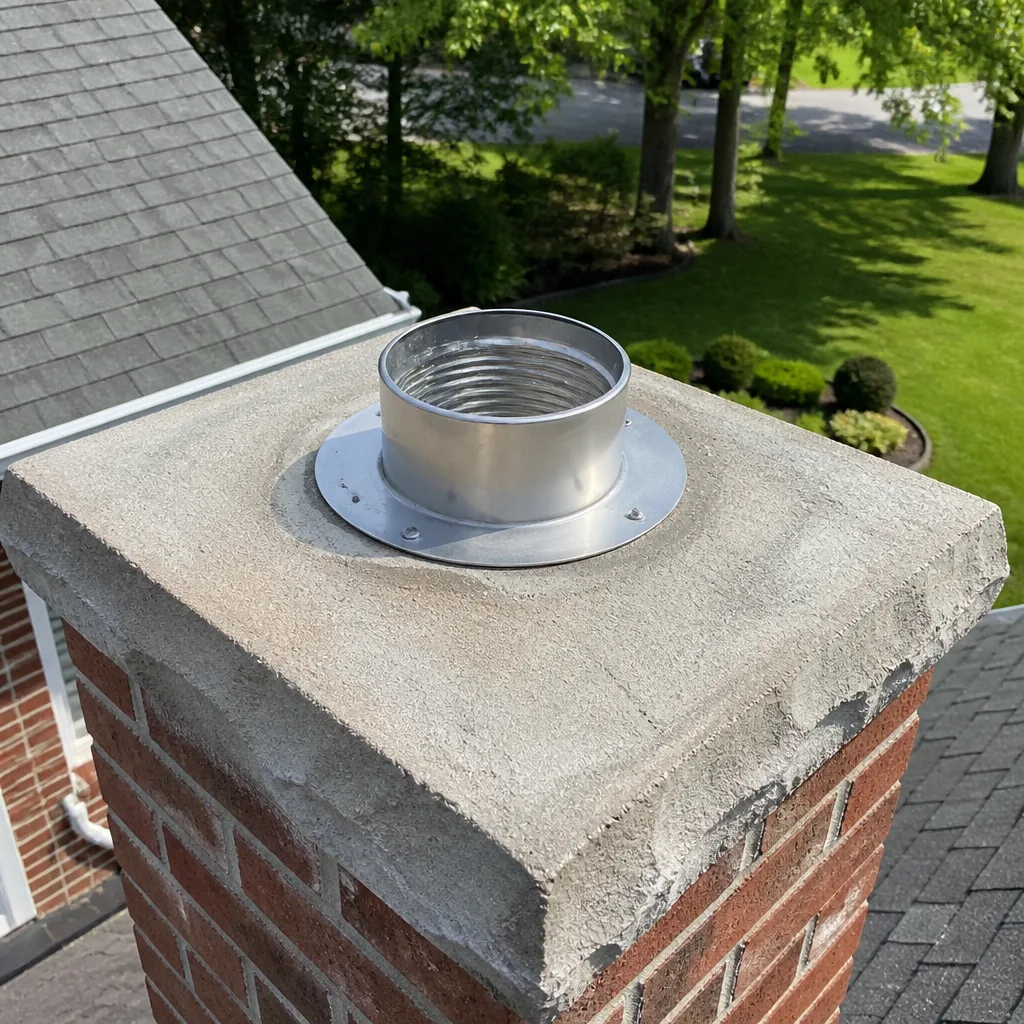
The standard requires the flue to be continuous, properly sized for the appliance, and free of defects that could allow heat or gases into the structure. A cracked flue tile or a gap between tiles fails this test. A flexible stainless liner from a line like DuraFlex restores the flue to a continuous venting path and, when installed per the manufacturer’s listing, satisfies the standard.
Cap and termination specifications
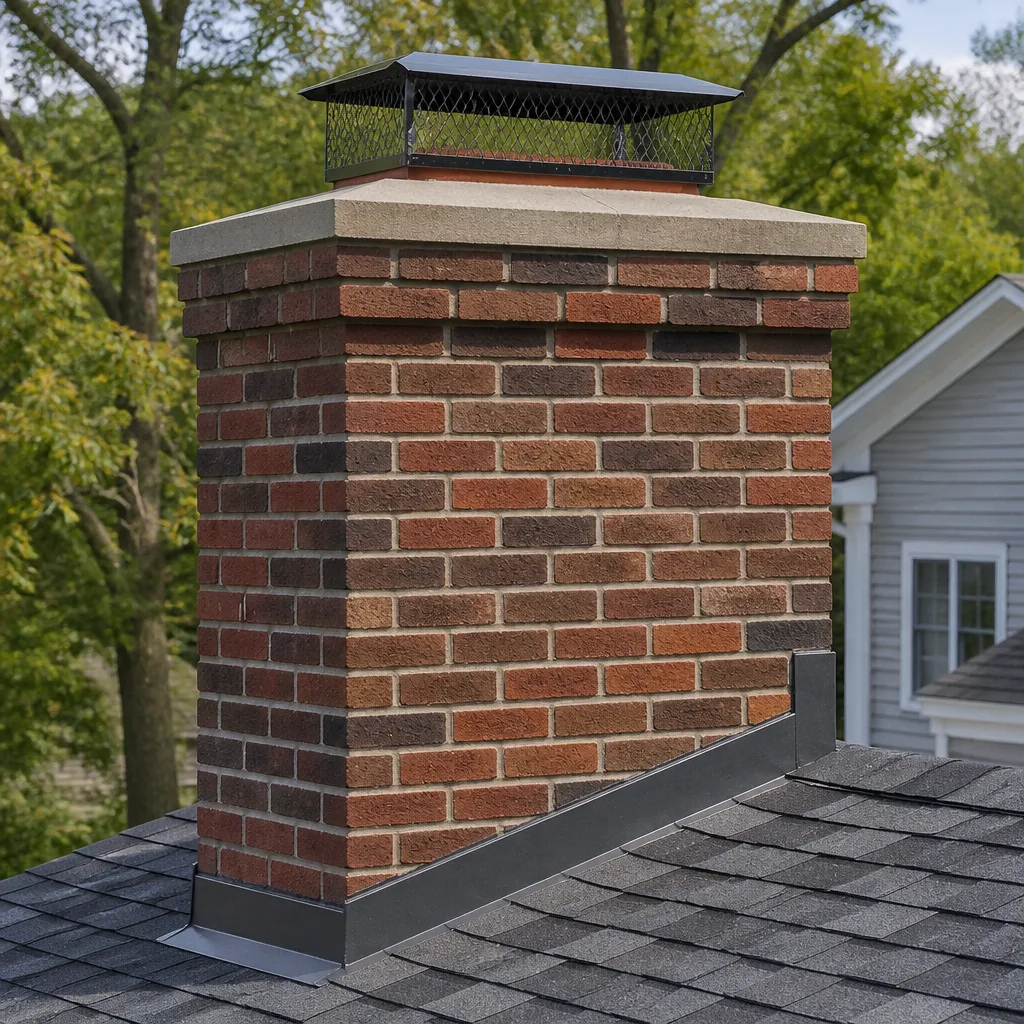
The chimney termination – the cap, the chase cover, and the spark arrestor screen – has specific requirements for maintaining proper draft and preventing rain, animals, and debris from entering the flue. Component selection matters here. A cap chosen from a professional line like Copperfield or Olympia Chimney is sized to the flue, not improvised to fit. That is the difference between a cap that keeps moisture out and one that creates draft problems.
Every chimney sweep and inspection we perform aligns with NFPA 211 inspection levels, so the assessment you receive maps directly to the standard a buyer’s inspector or an insurance adjuster will reference.
The Three Inspection Levels and When Each Applies
NFPA 211 defines three levels of chimney inspection. Understanding which level applies to your situation helps you evaluate whether a contractor’s quote is offering what you actually need.
- Level 1 – routine annual inspection. Readily accessible portions of the chimney, the firebox, and the appliance connection. Done during a routine sweep, and appropriate when nothing has changed since the last inspection. Most Visalia homeowners with a regularly serviced chimney need this level.
- Level 2 – inspection after a change. Includes everything in Level 1 plus a camera inspection of the flue interior, and inspection of accessible attic, crawl space, and other concealed areas. Level 2 is required after a chimney fire, after a change in appliance or fuel type, after a liner installation or repair, and at the time of a property sale. It is also the level most insurance companies ask for after a claim.
- Level 3 – investigative inspection. Involves opening walls or other construction to access concealed parts of the system. This level is reserved for situations where a serious hazard is suspected and can’t be assessed any other way. It is rare, and any contractor recommending it should be able to explain clearly why.
The right level depends on your situation, and a company that only offers Level 1 is not equipped to handle the job that follows a repair, a fire, or a home sale. Camera inspection and a photo report are the pieces that make Level 2 meaningful. Without them, you are being asked to trust a verbal description.
Permits and Chimneys at the Time of Sale
A home sale is where an unpermitted chimney repair becomes expensive in ways the seller never expected. Here is how it typically unfolds, without naming a specific transaction.
A buyer’s home inspector finds a chimney liner listed as recently replaced, or a firebox with newer refractory material. The inspector asks for the permit record. If there is none, the buyer’s agent asks for a credit, or the buyer asks the seller to pull a retroactive permit and get an inspection. Retroactive permitting is possible in some cases, but it depends on whether the finished work can be verified, and it can add weeks to a closing. In a competitive market, it can mean the deal falls apart.
For sellers, the practical takeaway is to check the chimney permit history before listing. If a liner was replaced without a permit, better to know before the buyer’s inspector does. For buyers, ask for the permit records on any chimney work disclosed in the listing, the same way you would for a kitchen remodel.
Visalia’s housing stock spans a wide range of construction eras, and many homes have been through multiple ownerships and partial repairs. Old paperwork gaps are common. That is not automatically a problem, but it is a reason to get a Level 2 inspection before closing, not after. Our Visalia inspection work often includes documenting what the camera finds so a buyer, seller, or agent can see the condition for themselves, without the report being a black box.
Visalia’s Climate and Housing Stock: Why Chimneys Age the Way They Do
Visalia’s climate is mild compared to what chimneys in colder parts of the country deal with, and it shapes how they wear. Winters do not produce the freeze-thaw cycles that crack masonry in snow country, so a well-built masonry chimney here can hold up for a long time. The tradeoff is summertime heat and dryness, which speeds up deterioration of some components and hides others.
What actually damages Visalia chimneys is a combination of factors that have nothing to do with frost. Dry, hot summers dry out mortar and make hairline cracks open up. Winter rain, when it comes, finds those cracks and drives moisture into the masonry. The crown is where it starts – a cracked or incorrectly sloped crown holds water on top of the chimney and lets it work down through the masonry. A chase cover on a prefabricated chimney plays the same role, and when the cover rusts through, water enters the chase and reaches the wood framing.
The other factor is the age of the housing. Many Visalia homes were built when clay tile liners were standard, and clay tile has a limited lifespan in any climate. Once tiles crack or the joints between them fail, the flue is no longer continuous. That is the point where a camera inspection stops being optional – it is the only way to know whether a liner replacement is needed.
- What to watch: water staining on the chimney exterior, a crown that looks chipped or cracked, a cap or chase cover with rust or dents, and animals nesting in the flue.
- What not to worry about: seasonal temperature swings that would crack masonry in cold climates. Visalia’s mild winters are not the main threat to your chimney.
- What is worth asking: when the last camera inspection was done, and whether the chimney has ever been relined.
We’ve seen all of these patterns enough to answer the question quickly during an inspection, and to tell you honestly when a repair can wait versus when it needs attention before the next heating season.
Common Mistakes to Avoid
- Assuming a sweep invoice covers the repair. A cleaning visit and a repair visit are different events from a permit standpoint. If a contractor discovers damage and offers to “fix it while we’re here” without discussing permits, that’s the moment to slow down.
- Skipping the permit to save a few dollars. The permit cost is a small line item next to the disclosure problem it can create at a sale or a claim. In California, the record attaches to the property.
- Not keeping the inspection record. A camera inspection with a photo report is only useful if you can find it later. Store the report and the permit sign-off with your closing documents.
- Letting a generalist handle the liner. A contractor who treats the chimney as a sideline may not be familiar with the listing requirements for professional-grade liner systems, or with what the Visalia building department expects to see in a plan review.
- Ignoring the cap and chase cover. Small detail, high cost when it fails. A rusted cover lets moisture into the chase and eventually into the home. Proper component selection from a professional line prevents it.
- Only getting a Level 1 inspection at a home sale. A property sale is a Level 2 event under NFPA 211. A visual inspection will not catch a cracked tile behind the flue liner.
- Assuming “it’s been fine for years.” Chimneys fail slowly, and the failure often only becomes visible when a camera is run inside. The lack of symptoms is not the same as the absence of damage.
See the difference
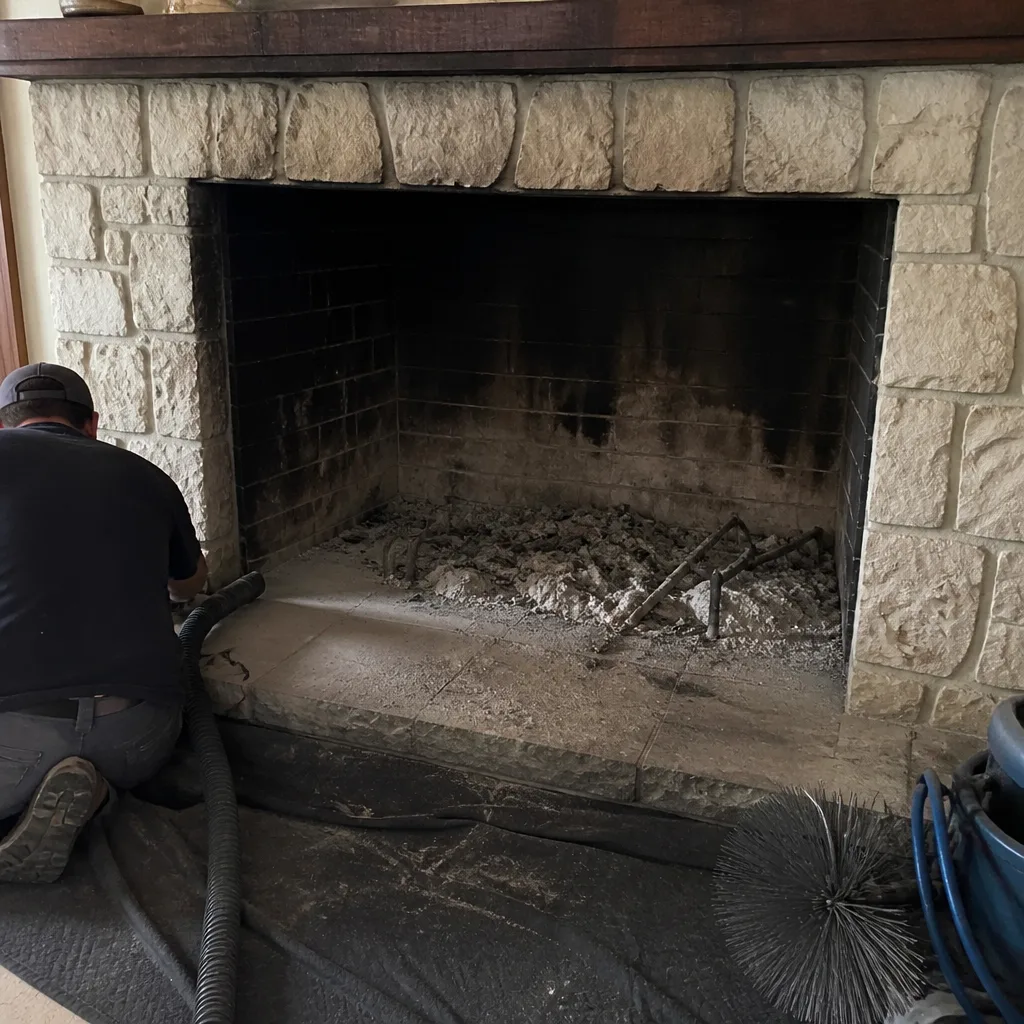 Before
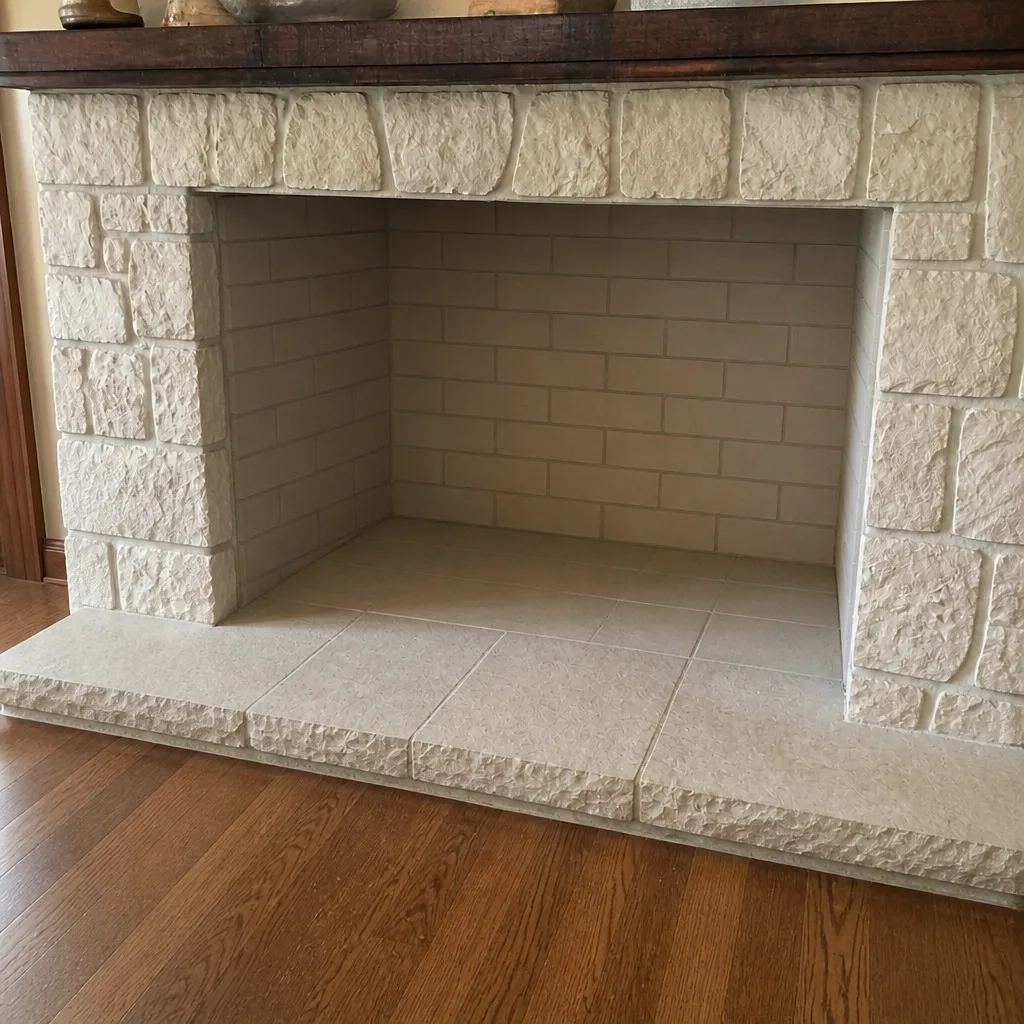 After
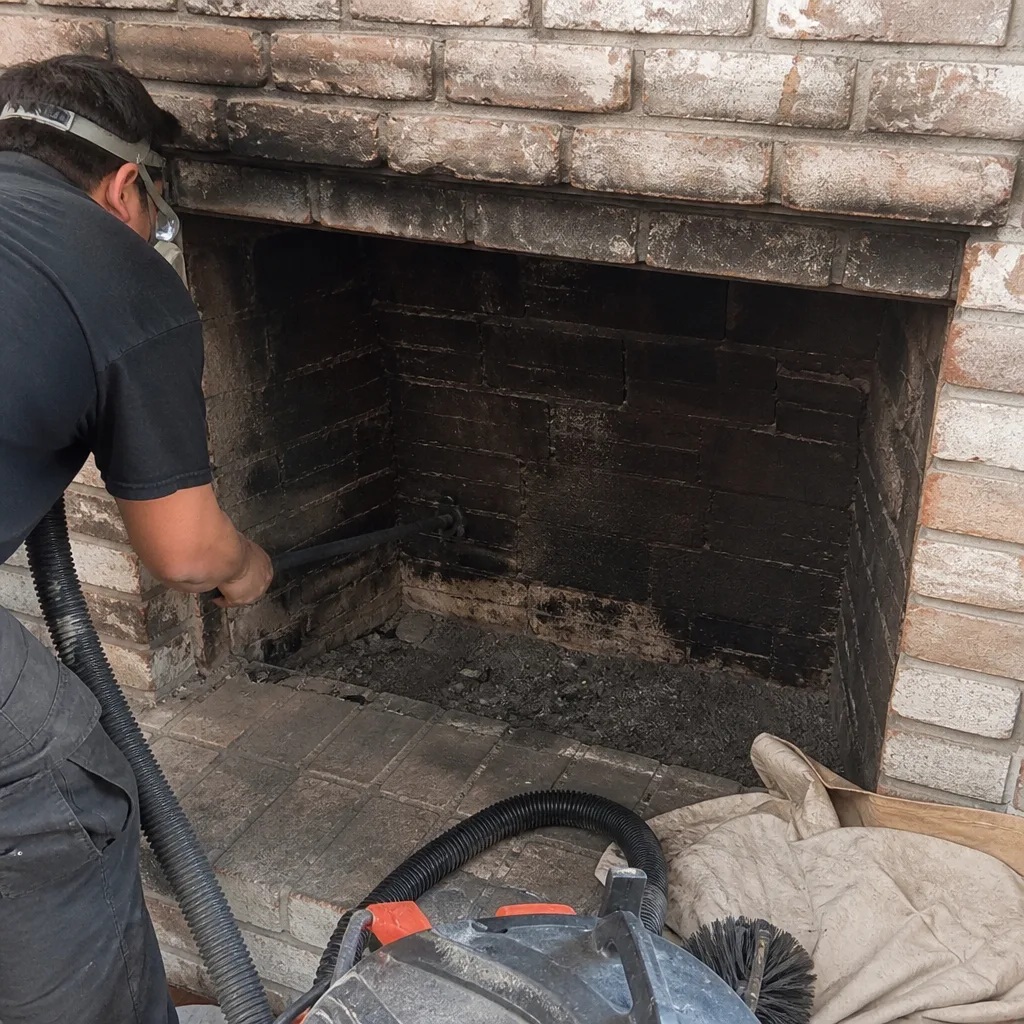 Before
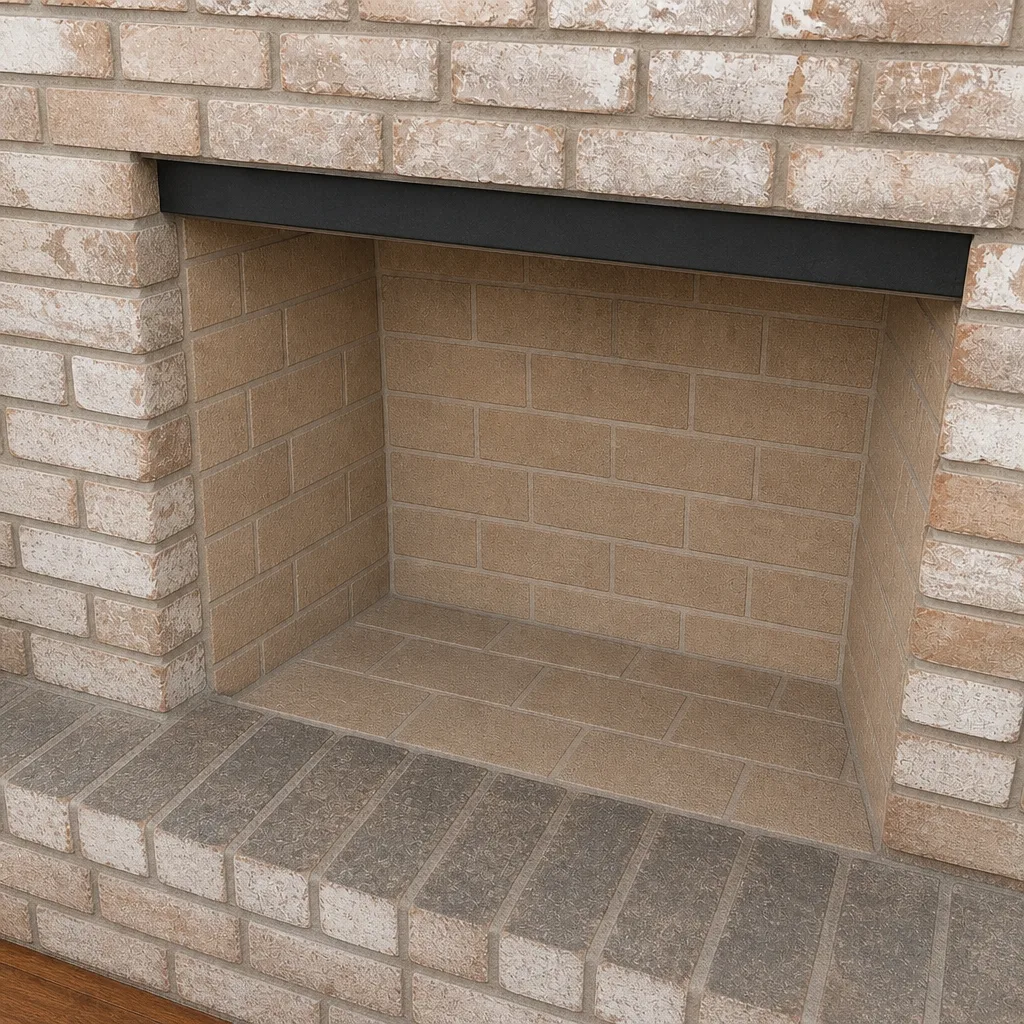 After
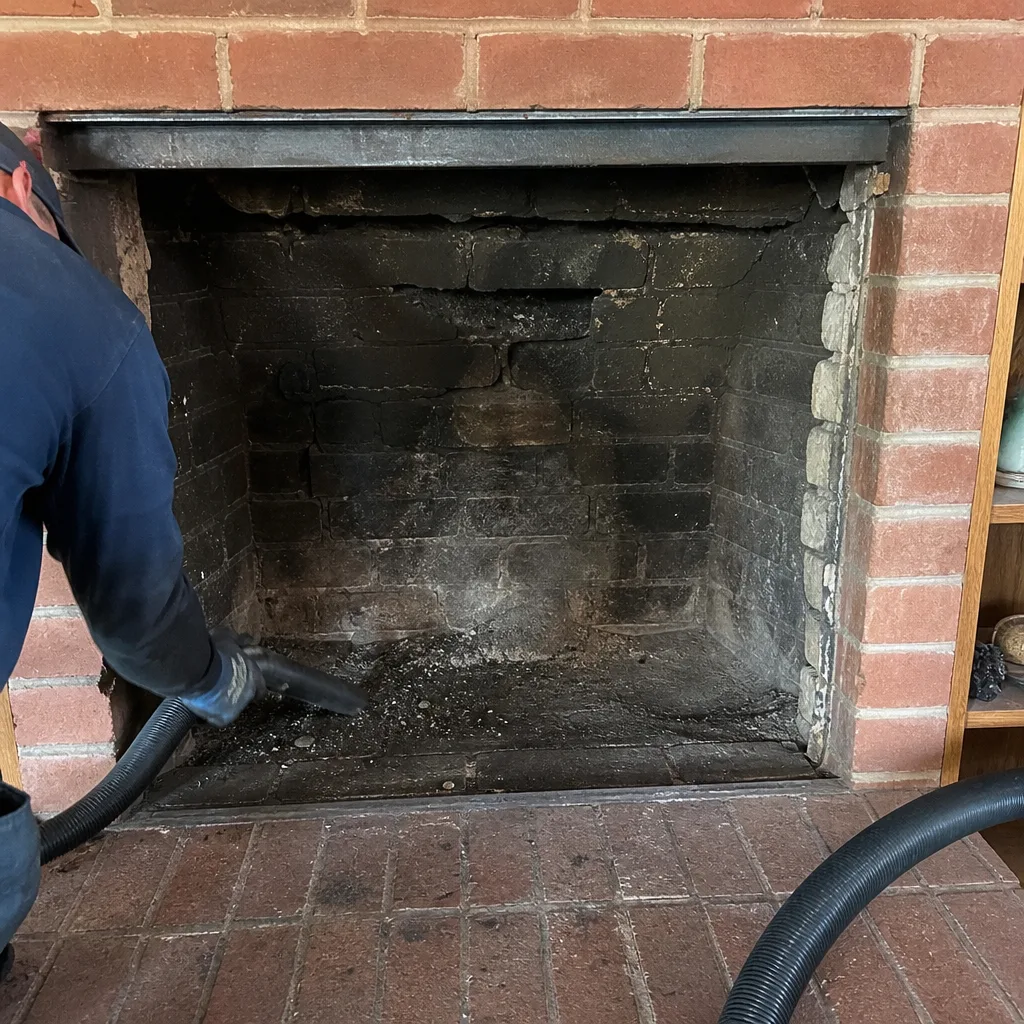 Before
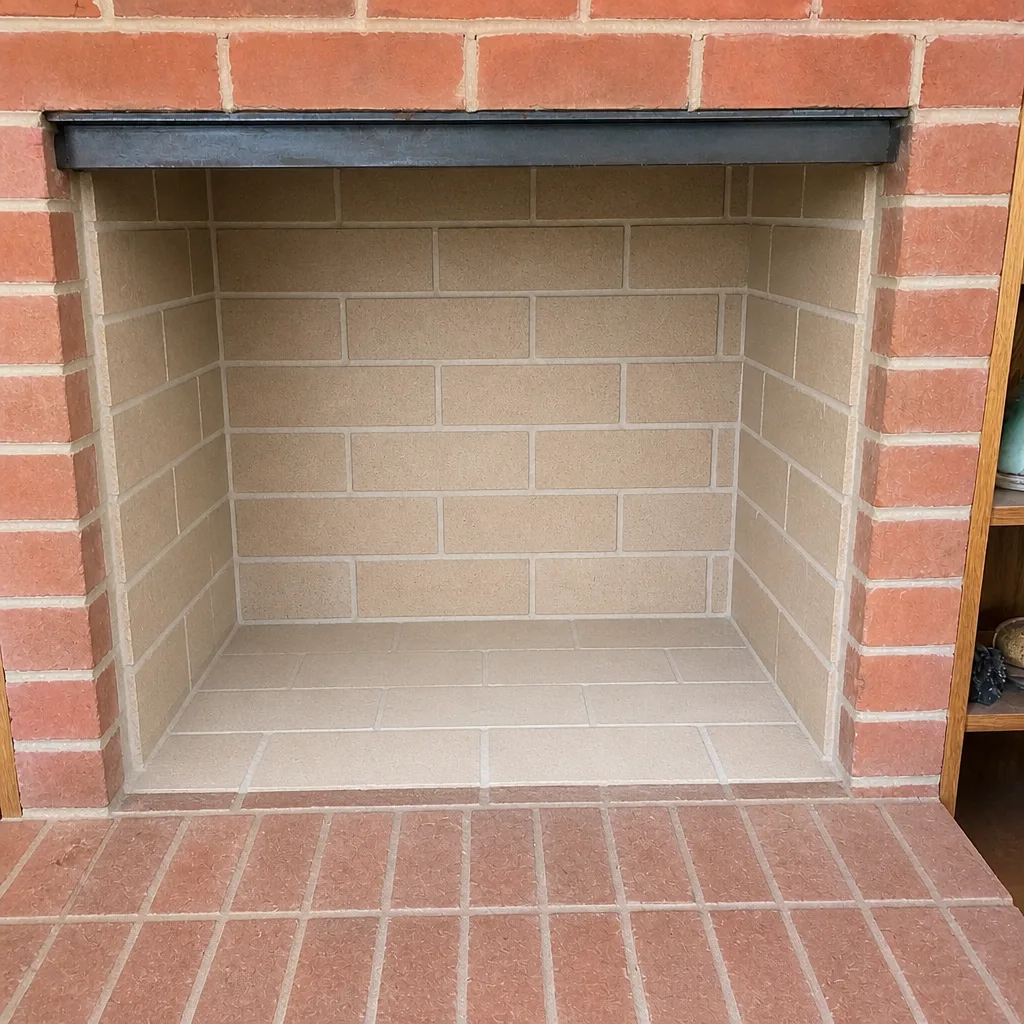 After
When to Call a Professional
Call a chimney specialist in these situations: after a chimney fire, even a small one; after any earthquake or major storm that may have shifted the chimney; when you notice water staining or a rusted cap; when a strong odor of creosote or soot enters the room when the fireplace is not in use; before a home purchase or sale involving a wood-burning or gas appliance; and on the annual sweep schedule that keeps creosote from building up in the first place. On the repair side, call when creosote has accumulated enough to need a sweep, when the flue has never been camera-inspected, or when a previous repair has no permit record you can find.
We work only on chimneys – sweep, inspect, and repair, all under one roof. If you are unsure whether your job qualifies as repair or maintenance, we can look and tell you what we see, and what the next step is. Chimney Sweep Visalia offers free estimates in Visalia – call (888) 861-2541.
Frequently Asked Questions
No. Routine chimney sweeping and visual inspection do not require a permit in Visalia or anywhere in California, because no structural change is made to the system. A permit only enters the picture when a repair alters the chimney’s structure or venting path. Call (888) 861-2541 if you want to know which category your job falls into before booking – estimates are free.
Usually, yes. A liner replacement changes how the appliance vents, which the California Residential Code treats as construction, and Visalia issues permits for it through the city building department. The permit record is what a buyer’s inspector or an insurance adjuster will look for years later, so it is worth getting done right. Call (888) 861-2541 for an inspection to confirm whether a liner replacement is actually needed.
Pricing is set per job by written estimate, so there is no single number we can quote over the phone without seeing the chimney. We give a flat price up front on the estimate, and the written estimate sets the final price. Call (888) 861-2541 for an exact quote – estimates are free.
A repair without a permit isn’t automatically a safety problem, but it becomes a disclosure problem at a sale and can complicate an insurance claim, because the work was never inspected against code. In some cases the work can be permitted retroactively, but the outcome depends on what can be verified. Call (888) 861-2541 if you want a camera inspection to document the current condition before you list the home.
Sweep on an annual schedule for the appliance you use most, and more often if you burn heavily or burn unseasoned wood. An annual visit also functions as the Level 1 inspection that keeps the chimney on record and catches small problems before they become repairs. Call (888) 861-2541 to book a sweep and get the inspection on file.
Skipping inspection doesn’t create a visible problem today; it allows a small one to grow unseen. Creosote accumulates, mortar cracks, and a flue tile can fail without any obvious sign inside the home, which is exactly the reason NFPA 211 defines a camera inspection level. Call (888) 861-2541 for a Level 2 inspection with a photo report – estimates are free.
The Bottom Line
Cleaning your chimney in Visalia doesn’t require a permit, but repairing it often does, and the difference is worth understanding before you hire anyone. Liner installation, firebox reconstruction, and structural cap or chase cover work all count as construction under the California Residential Code. The permit record follows the property, which means an unpermitted repair can surface at a sale or a claim years after the invoice is paid. NFPA 211 is the standard that inspectors and courts reference, and a Level 2 inspection with a camera is the way to know what you’re actually working with. Get the permit, keep the inspection report, and confirm the work was done by someone who specializes in chimneys.
If you want a camera inspection with a photo report and a clear answer on whether repair work is needed now or can wait, call Chimney Sweep Visalia at (888) 861-2541 for a free estimate. We answer 24/7. Fast dispatch from 7am to 7pm, Sunday through Friday. Our technicians have up to 14 years of experience, and we work exclusively on chimneys – sweep, inspect, and repair handled by one company.
Written by the team at Chimney Sweep Visalia.