
Last updated November 15, 2026
 Sweep & inspection
 Caps & crowns
 Flue relining
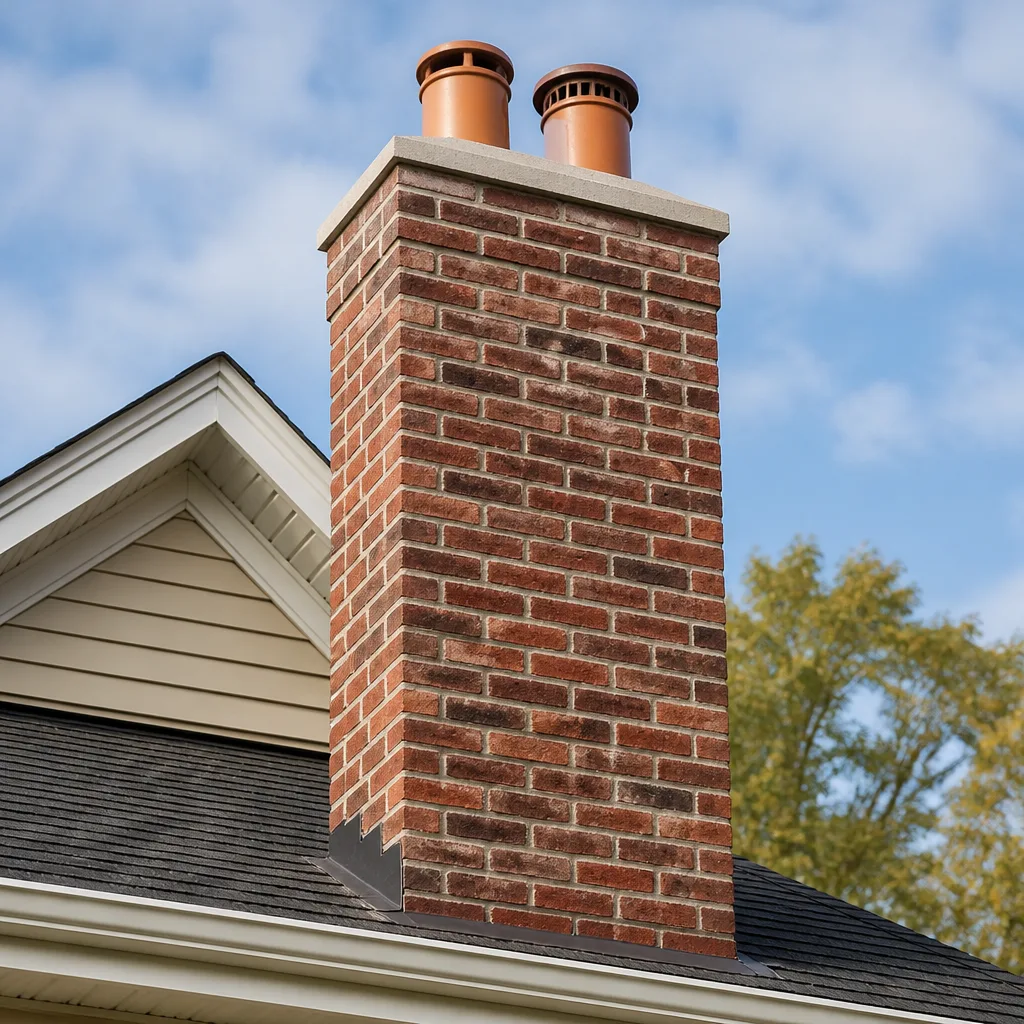 Masonry repair
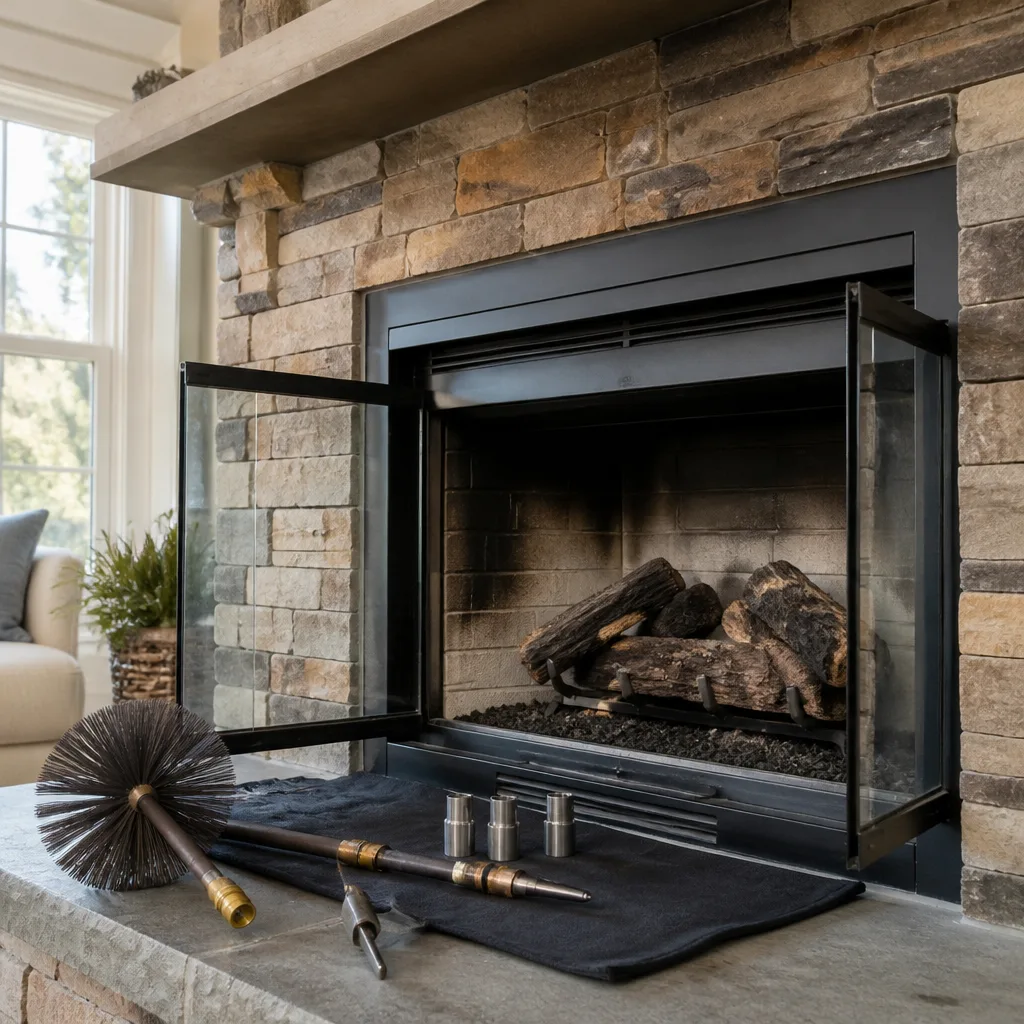 Gas fireplace service
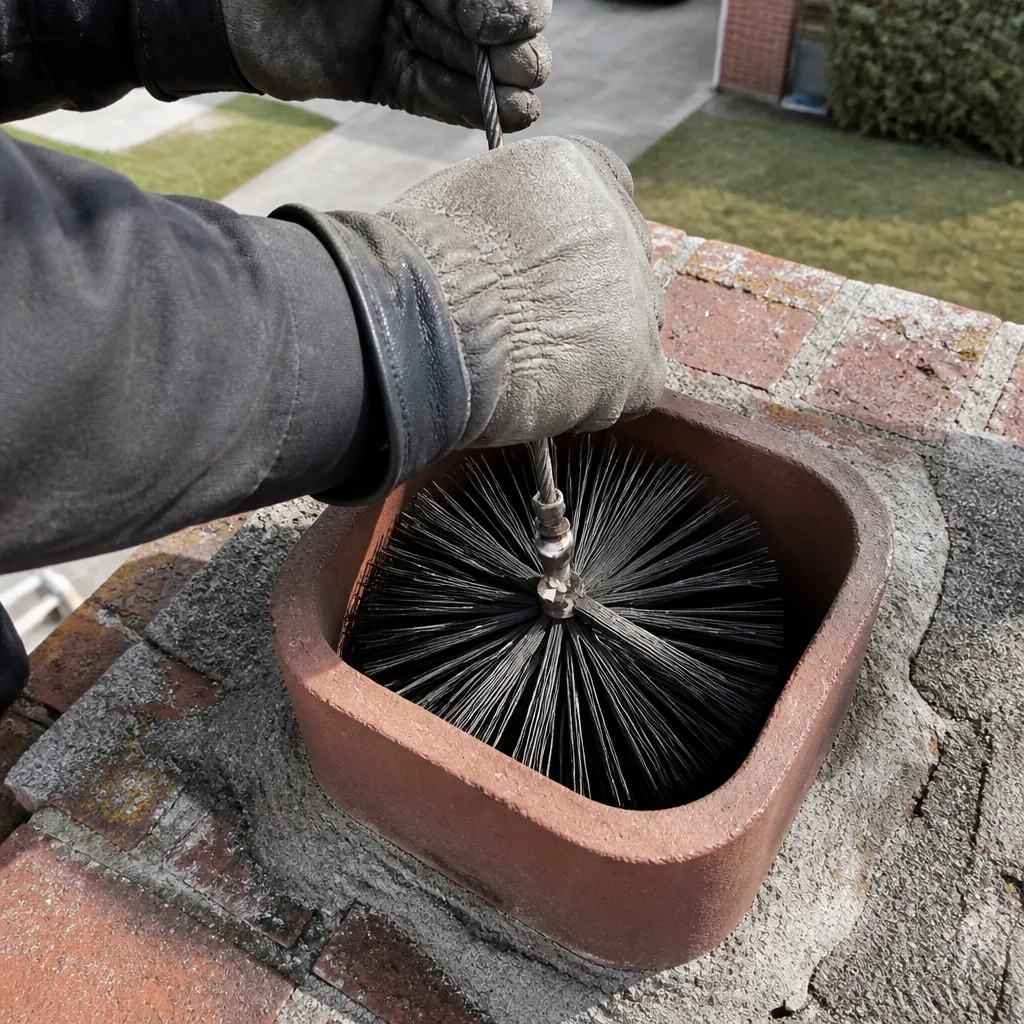
Level 1 sweep and inspection to the NFPA 211 annual standard - flue, crown, cap, and flashing checked and photographed
Chimney sweep logs do not sweep chimneys. They loosen some creosote - which then falls where a brush and vacuum still have to collect it.
Chimney Sweep Maintenance Schedule: What to Do and When
If you burned more than three cords of wood last season, your chimney needed a mid-season inspection, not just an annual sweep. The standard “once a year” advice assumes light use, and it leaves heavy burners exposed for months at a time. It also treats every flue the same, which is where most maintenance plans go wrong. A gas log insert and a wood stove don’t build up creosote at the same rate, and neither one behaves like a masonry fireplace that sees steady weekend fires through the cooler months.
What follows is a working schedule for Visalia homeowners, built around fuel type, burn volume, and the appliance actually connected to the flue. You’ll get separate tracks for wood, gas, pellet, and wood stove systems, the right timing for our climate, and clear intervals for the parts of the chimney people forget about until they leak.
Quick Answer
Most Visalia chimneys should be swept once a year, timed before the first fire of the season rather than after it. Wood-burning fireplaces with light use need one annual sweep and a Level 1 inspection. Heavy burners using more than three cords of wood a year should add a mid-season check. Gas inserts, pellet stoves, and wood stove flues each follow their own cadence, and a Level 2 inspection is required when a home changes hands, an appliance changes, or after a chimney fire or significant event.
Styles & brands we work with
- Sweep & inspection
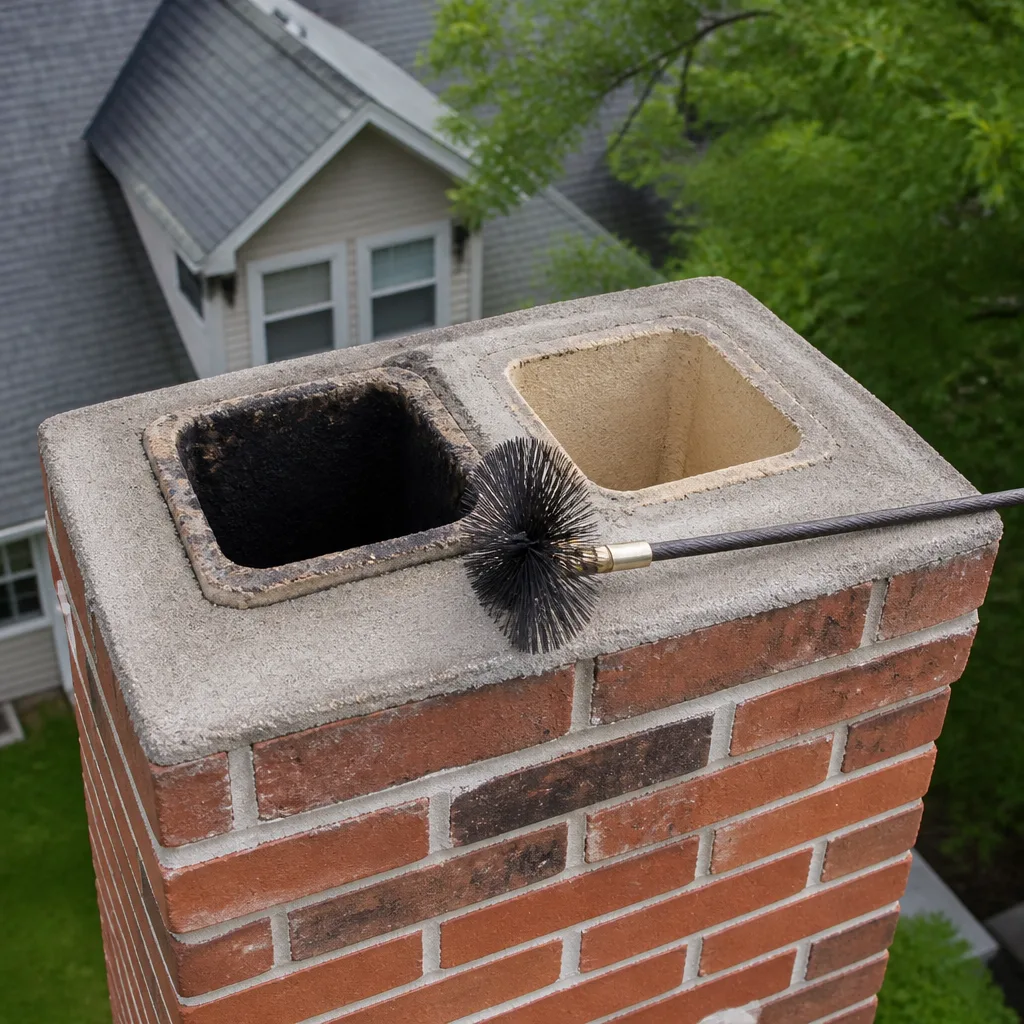
- Caps & crowns
- Flue relining
- Masonry repair
- Gas fireplace service
Table of Contents
- Why “Once a Year” Is the Floor, Not the Ceiling
- Four Maintenance Tracks: Wood, Gas, Pellet, and Wood Stove
- The Best Time to Schedule in Visalia: Before October, Not After
- Level 1 vs. Level 2 Inspections: What Each Covers and When It’s Required
- Caps, Crowns, and Flashing: The Parts With Their Own Schedule
- How Visalia Rain Events Affect Masonry Between Sweeps
- Your Twelve-Month Chimney Calendar
- Signs Your Chimney Needs Attention Before the Next Scheduled Visit
Why “Once a Year” Is the Floor, Not the Ceiling
The annual sweep is the minimum any wood-burning chimney should get, and it’s the number most homeowners know. What the number doesn’t tell you is what it assumes. That guidance is built around a household burning a modest amount of wood, with a chimney in reasonable condition, using a fireplace that sees regular but not constant use. Change any one of those variables and the once-a-year figure stops fitting.
Creosote accumulation tracks with how much you burn, how hot the fire runs, and how dry the wood is. A fireplace used a few times a month throughout our mild winters builds a thin glaze over a season. A fireplace burning steadily from October into February, fed with seasoned hardwood, can build a quarter inch or more of the same deposit in the same window. The volume of wood matters as much as the calendar.
Here’s how the cadence shifts based on use:
- Light use (under one cord a season): One annual sweep and a Level 1 inspection, timed before the first fire.
- Moderate use (one to three cords): One annual sweep, plus a visual check around mid-season to confirm the flue is clear.
- Heavy use (more than three cords): A sweep before the season and a mid-season inspection, with a second sweep if the technician finds glaze building.
- Any burn volume, but with unseasoned wood: Treat the schedule as heavy use. Wet wood produces more creosote per cord than dry wood, so the accumulation is faster.
In our experience across Visalia, the households that get into trouble are rarely the ones with obvious problems. They’re the ones who burned three-plus cords a year for several seasons on the assumption that “annual” meant exactly once regardless of use. The fireplace looks fine. The flue isn’t. That’s the gap this schedule closes.
We’re chimney-only specialists, so this is the entire work. A generalist who cleans chimneys as a sideline and also does ductwork and dryer vents isn’t measuring creosote thickness the same way a specialist is. The difference shows up in the recommendation you get after the sweep.
Four Maintenance Tracks: Wood, Gas, Pellet, and Wood Stove
Each fuel type accumulates hazards differently, and the schedule should follow the appliance rather than the address. Treat these as four separate tracks, and apply the one that matches what’s connected to your flue.
Wood-burning fireplace (masonry or factory-built): This is the track most Visalia homes follow. One annual sweep, timed before the first burn, plus a Level 1 inspection. Creosote and soot are the primary concern, and a combustible deposit in the flue is what a sweep exists to remove. Heavy burners add the mid-season check described above.
Gas log insert: A gas insert burns clean, so creosote isn’t the issue. The hazards are different. Gas appliances produce water vapor that can condense in the flue and contribute to deterioration of masonry over time. Venting has to be correct for the appliance, and the flue has to be clear of debris, nests, or a fallen cap. Most gas inserts need an annual inspection and cleaning of the appliance and venting, with the flue checked for blockage and condition. This is where product familiarity matters. Working with venting components from lines like Olympia Chimney and Famco means the cap and venting selections match the appliance rather than being improvised.
Pellet stove: Pellet appliances accumulate ash and fly ash in the venting at a faster rate than wood fireplaces accumulate creosote, and the venting often runs horizontal before it turns up. That horizontal run is where ash collects. An annual cleaning of the appliance and vent, with attention to the vent termination, is the baseline. Homes burning pellets heavily through the season should plan on two vent cleanings per year.
Wood stove flue: This is the most demanding track and the one most often underestimated. Wood stoves run hotter and for longer than fireplaces, and the flue is smaller relative to the firebox. Creosote accumulates faster and can glaze. Annual sweeping is a hard minimum, and a mid-season inspection is worth it for anyone burning steadily. If the stove was connected to a clay tile flue without a properly sized liner, the sizing itself may be worth reviewing. A properly matched DuraFlex flexible liner system solves both the sizing question and the condition of the flue interior at the same time, which is why we use them for relining work.
If you’re not sure which track you’re on, that’s the first question to settle. Call (888) 861-2541 and describe the appliance, and we can tell you what schedule fits. We answer 24/7. Fast dispatch from 7am to 7pm, Sunday through Friday.
The Best Time to Schedule in Visalia: Before October, Not After
The right time to book a sweep here is in late summer or early fall, before the first fire of the season. Not spring. A spring sweep cleans the flue after the deposits have already sat through a full season of disuse, and it also means the chimney sits unattended through the wetter months with whatever accumulated during the burn season still inside it. Scheduling before October catches the creosote while it’s fresh from last season’s use and clears the flue before the next fire, so the system is ready when you are.
The practical reasons stack up:
- You catch the problem before it’s a heating emergency. A blocked or damaged flue discovered in September is a schedule adjustment. The same discovery in December, with the first cold snap behind you, is a scramble.
- The inspection covers everything in one visit. A pre-season sweep and Level 1 inspection happen together, so the cap, crown, and flashing get checked before the rain starts rather than after a leak has already stained the ceiling.
- You’re not cleaning deposits that sat through summer. A chimney that sat since spring with a heavy creosote load inside can develop corrosion issues in the flue lining over the wetter months. Clearing it before that window is the safer sequence.
There’s also a scheduling reality. Late October and November are the busiest weeks for anyone who works on chimneys in Visalia, because that’s when the first cold nights and the first full season both arrive. Homeowners who book in September and early October get the visit they want. Homeowners who call in mid-November are working around everyone else’s calendar.
One more timing point worth making: don’t skip the sweep because the fireplace looked clean last season. The visible firebox tells you almost nothing about the flue above it. The deposit that matters is further up, out of view, and a sweep with a camera inspection and photo report is how you actually see it. Nothing is recommended here without camera evidence you can see for yourself, and if work can safely wait, we say so.
Level 1 vs. Level 2 Inspections: What Each Covers and When It’s Required
The three inspection levels come from NFPA 211, the standard that governs chimneys, fireplaces, vents, and solid fuel appliances. Our inspections are aligned with those levels. Understanding the difference matters because most homeowners are offered a “chimney inspection” without knowing which level they’re getting, and the levels cover very different ground.
Level 1 inspection. This covers the readily accessible portions of the chimney and venting, plus the appliance connection, using the basic tools: a flashlight, a mirror, and a camera. It confirms the chimney is structurally sound, the flue is clear, and the appliance is connected properly. A Level 1 is what you get during your annual sweep when nothing has changed and the system has a known history.
Level 2 inspection. This covers everything in a Level 1 plus all accessible portions of the chimney’s interior and exterior, using a camera to inspect the flue from the inside. It looks at the condition of the flue lining, the joints, and the connections, and it includes the attic and crawl space where accessible. A Level 2 is required when:
- A home is being sold or transferred.
- A new appliance is installed or an appliance is changed, for example converting from wood to a gas insert.
- There has been a chimney fire or another event that could have damaged the flue.
- The system is being inspected for the first time, or the home’s chimney history is unknown.
Level 3 inspection. This is the most involved level and is only performed when a Level 1 or Level 2 identifies a serious hazard that can’t be assessed without removing parts of the chimney itself. It’s reserved for specific problems, not routine visits.
The line homeowners get stuck on is the Level 2 requirement. If you’re selling a home in Visalia, or if you’ve just bought one and don’t know the chimney’s history, the standard doesn’t call it optional. A Level 2 with a camera is also how you find out whether a liner is actually compromised or whether a cleaning is all you need. That’s the finding that prevents a homeowner from being told they need a full reline they can’t verify. Get the camera image. Look at it. Make the call from there.
Caps, Crowns, and Flashing: The Parts With Their Own Schedule
Sweeps clean the flue, but the flue isn’t the whole chimney. The cap, crown, and flashing sit outside, exposed to weather year-round, and they wear on their own timeline. In our experience, they’re also where the most expensive deferred damage hides, because the failure is quiet and slow. Water doesn’t announce itself. It stains, spalls, and rots from the inside out.
Here’s the checklist we run against the exterior components and how often each one deserves a look:
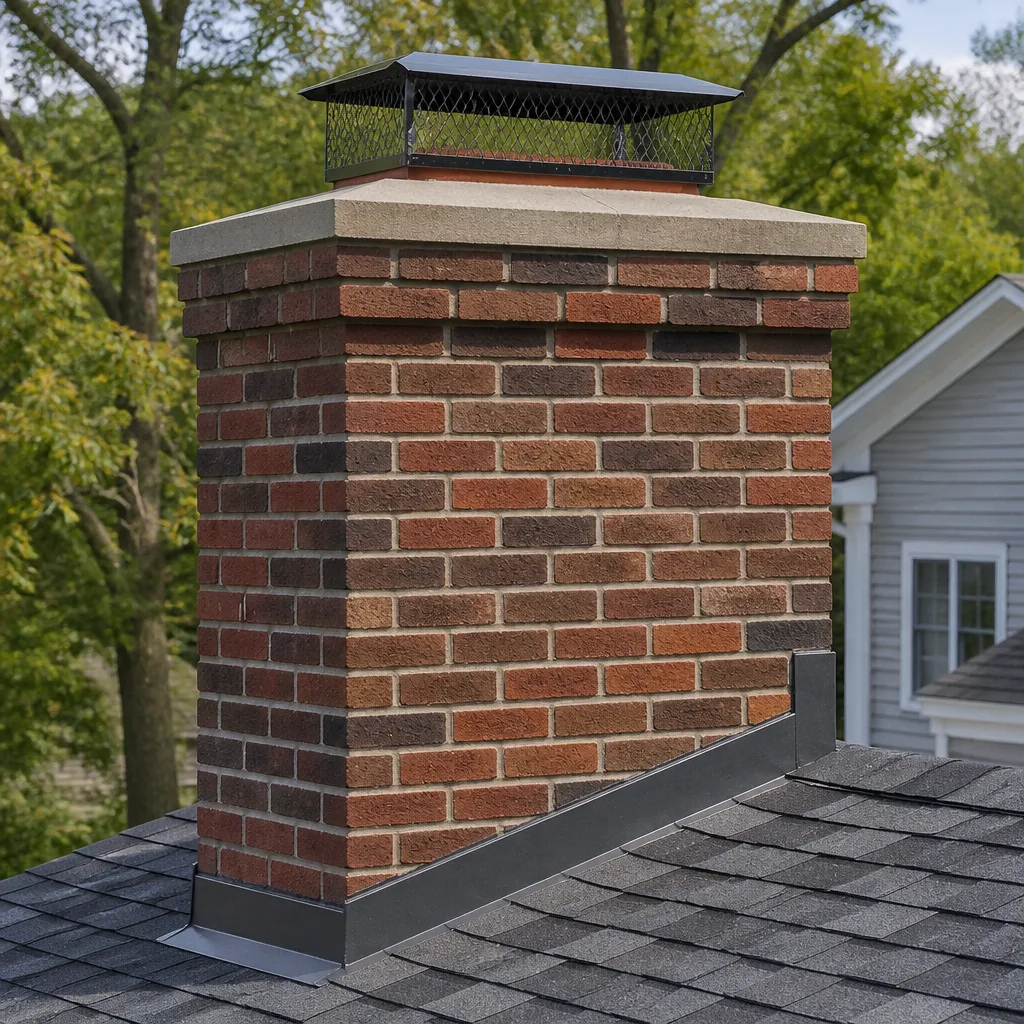
- Chimney cap and spark arrestor: checked at every annual visit. The cap keeps animals, rain, and debris out of the flue. A rusted or loose cap lets all three in. Capping properly matters for the flue’s longevity, and component selection matters too. Working with lines like Copperfield and Gelco means the cap and vent components are matched to the chimney rather than being a universal fit that then fails.
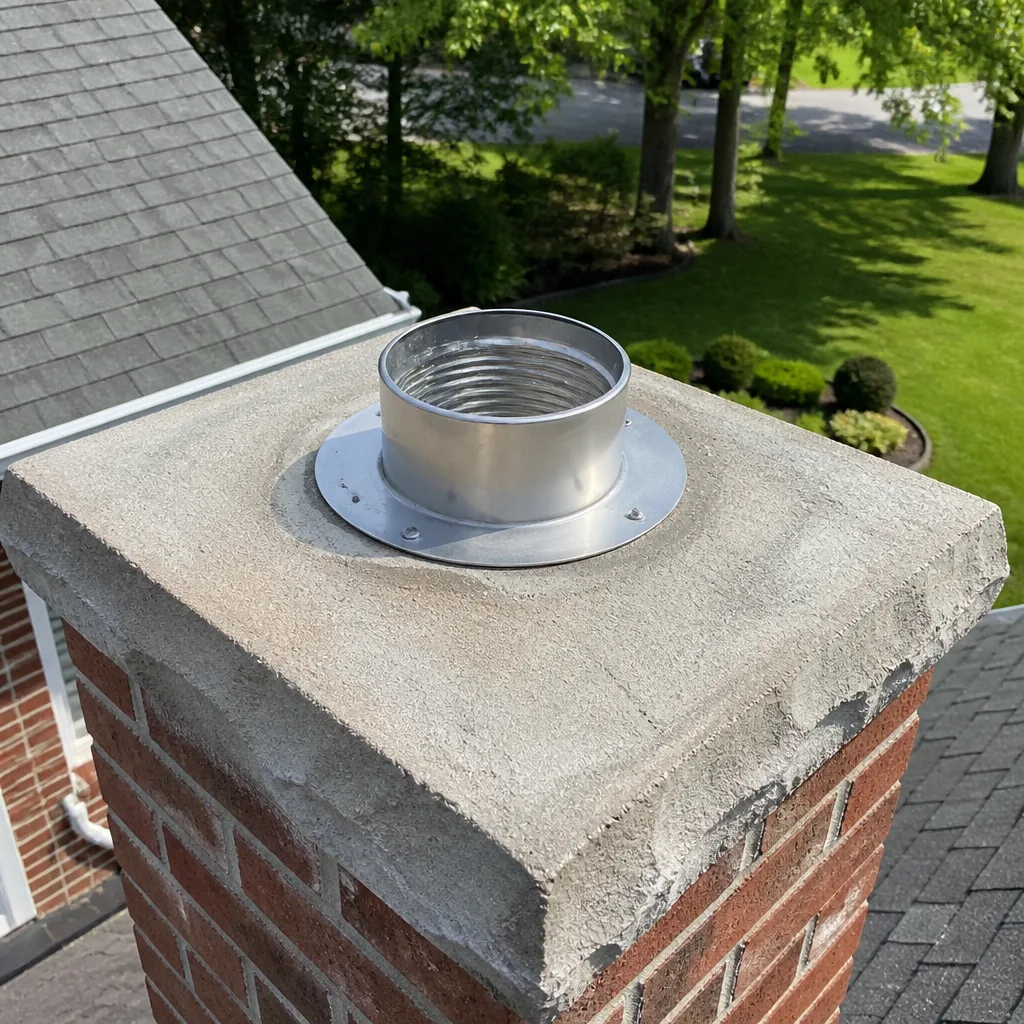
- Crown: checked at every annual visit, and reconsidered if the chimney has a history of leaks. The crown is the concrete or mortar slope at the top of the chimney. Cracks in the crown let water into the masonry, and the damage moves downward from there. Small cracks get sealed. A crown that’s failing across its surface gets rebuilt.
- Flashing: checked at every annual visit, with extra attention after the first significant rain. Flashing is the metal where the chimney meets the roof. This is where most so-called “chimney leaks” actually originate. A flashing check costs nothing during a sweep and prevents a job that runs into the thousands when the water gets into the ceiling.
- Masonry joints and mortar: at every annual visit, with a closer look every few years. The mortar joints between the bricks are the wear surface. Repointing small failures early is routine. Letting them go lets moisture in, and once it’s in, the repair scope changes.
We handle all of this in a single engagement because it’s all the same system. Sweep, inspection, and repair are the entire business. The chimney repair side of that arc is where mortar, liner, cap, and crown issues get addressed, and for flue interiors specifically we apply HeatShield resurfacing when the flue is damaged but not beyond saving. HeatShield is a professional-grade repair solution for the inside of the flue, and it’s the kind of work many generalists outsource or avoid. Having one company handle the sweep through the repair means you’re not coordinating between a cleaner and a mason who each think the other is responsible for the crown.
How Visalia Rain Events Affect Masonry Between Sweeps
Visalia gets most of its weather in a handful of concentrated storms rather than a slow, steady drizzle. That pattern changes how masonry fails. A masonry chimney in a place with frequent light rain gets a little wet and dries out regularly. A masonry chimney here gets drenched in a short, intense event, then sits in relatively dry conditions, then gets drenched again. Each of those cycles pulls water deep into the brick and mortar, and the drying-out process is when deposits form and salts migrate.
The result is that masonry damage in Visalia often shows up between sweeps, in the fall, when the first real storms arrive. A crown that looked fine in the summer can open a visible crack after the first December rain. A flashing that was holding in September can fail under the fourth or fifth storm of the season. You might see it as a damp patch on the chimney’s exterior face, a stain on the ceiling near the chimney, or a rust line at the fireplace surround. Those are all water signals, and they’re the ones worth calling about even if the sweep is months away.
What to watch for in fall:
- Cracked or missing mortar visible on the chimney’s exterior between visits.
- A white, chalky residue on the brick, which is a sign of moisture moving through the masonry.
- Ceiling or wall stains near the chimney after a storm, which usually point to flashing.
- A faint musty smell in the room after a heavy rain, which points to a damp flue.
- A chimney that hasn’t been looked at externally in more than a year. Even if nothing’s wrong, it’s worth confirming.
None of these require panic. Some can safely wait for the next scheduled visit. Some shouldn’t. The difference is what the camera and the exterior inspection show, and the call is made on evidence, not on a guess. If a fall storm opens a real problem, one call handles it. See Chimney Sweep Visalia for the full sweep, inspect, and repair scope.
Your Twelve-Month Chimney Calendar
Here’s the whole schedule in one place. Adjust the burn volume on the wood and wood stove tracks to match your actual use, and let the inspection level follow the standard described above.
- Late August to early September: book the visit. Get on the schedule before the October rush. The sweep and Level 1 (or Level 2 if required) happen together.
- September to early October: pre-season sweep and inspection. Clear the flue from last season’s use, inspect the cap, crown, flashing, and masonry, and address any small repairs before the first fire. This is the single most important step on the calendar.
- First fire of the season: confirm the draught. A quick check that the smoke is drawing up the flue and not rolling into the room. If it isn’t drawing, stop and call.
- Mid-season (roughly December): the heavy-burner check. Households burning more than three cords of wood, or those using wood stoves heavily, should have a mid-season inspection to confirm the flue is clear and creosote isn’t glazing.
- After the first significant rain event: exterior check. Look for ceiling stains, exterior mortar cracking, and any change in how the chimney meets the roof. Call if anything looks new.
- End of burn season: sweep if the flue is loaded. If the season was heavy, a late-winter sweep clears the deposits before they sit through the drier months.
- Spring: inspect the exterior. This is the best window for crown, cap, and flashing work, because the weather is settled and the repairs have time to cure before the next rainy season.
- Any time the system changes: a Level 2 inspection. A new appliance, a home sale, an unknown history, or a suspected chimney fire all call for the camera inspection.
For a homeowner in Visalia following this calendar, the annual touchpoint is the pre-season visit. Everything else is either a mid-season check for heavy use or an event-driven inspection. That’s the real answer to “how often” – once a year as the floor, with these additions layered on top based on how the chimney’s actually used. For the standard sweep mechanics, see the chimney sweep page.
Signs Your Chimney Needs Attention Before the Next Scheduled Visit
The schedule is a framework, but a chimney doesn’t always wait for the calendar. Some signals are worth acting on immediately, others can wait for the next visit, and knowing the difference saves you from both worry and unnecessary cost.
Call now:
- Smoke rolling into the room instead of drawing up the flue. This is a drafting problem and it’s a health and safety concern.
- A strong, sharp smell that gets worse when the fire is lit, or a smell that lingers through the off-season.
- Visible soot or creosote staining around the fireplace opening, which suggests the deposit is building faster than the schedule accounts for.
- Any sign of a chimney fire: a loud roaring sound, a dense plume from the chimney, or the smell of burning creosote. Call, and don’t burn again until the flue has been inspected.
- Carbon monoxide alarms going off, or unexplained headaches and dizziness in a room with a gas appliance. Get out, ventilate, and call.
Can wait for the next scheduled visit:
- A small hairline crack in the crown, if there’s no interior staining.
- Mild mortar erosion at the chimney’s exterior, if the joints are still mostly intact.
- A slightly loose cap or one that’s starting to rust but still seated.
- An animal nest in the flue discovered before the fire season, with no active burning.
The reason this matters: the real hesitation for most homeowners is being told they need a major repair they can’t verify. Liner work and masonry work are expensive, and a homeowner has no easy way to know whether the recommendation is real. That’s why a camera inspection and photo report are part of every visit. You see the flue. You see the deposit. You see the crack. Nothing is recommended without evidence, and if a job can safely wait, we say so plainly. A recommendation with a photo behind it is a different conversation from one without.
Common Mistakes to Avoid
- Booking the sweep for spring and thinking that covers the season. A spring sweep cleans what already sat through the winter, but it leaves the flue loaded through the wet months and doesn’t clear the path for the next fire. Book before October instead.
- Skipping the cap because the flue looks clean. An uncapped chimney is an open door for rain, animals, and nesting material, which is one of the most common causes of chimney blockages in Visalia. The cap is the cheapest protection on the whole system.
- Ignoring the crown and flashing until there’s a stain on the ceiling. Both are checked at every annual visit and both fail slowly. By the time water shows up inside the house, the repair scope has usually grown.
- Treating a gas insert like a wood fireplace. A gas appliance doesn’t build creosote the way wood does, but it has its own concerns with venting, condensation, and blockage. Following the wood track on a gas insert misses the issues that actually apply.
- Using a generalist because they’re already coming out. A handyman or HVAC company that treats the chimney as one of many jobs won’t inspect it to the same standard. Chimney work is a specialty, and the recommendation you get depends on the person doing the looking.
- Burning unseasoned wood and expecting the annual schedule to absorb it. Wet wood produces more creosote per cord, which pushes a light-use household into heavy-use territory. Dry wood makes the scheduled sweep go further.
- Buying a house in Visalia without a Level 2 inspection. The standard calls for it on a transfer for a reason: the home’s chimney history is unknown, and the camera is how you find out what you’ve bought.
See the difference
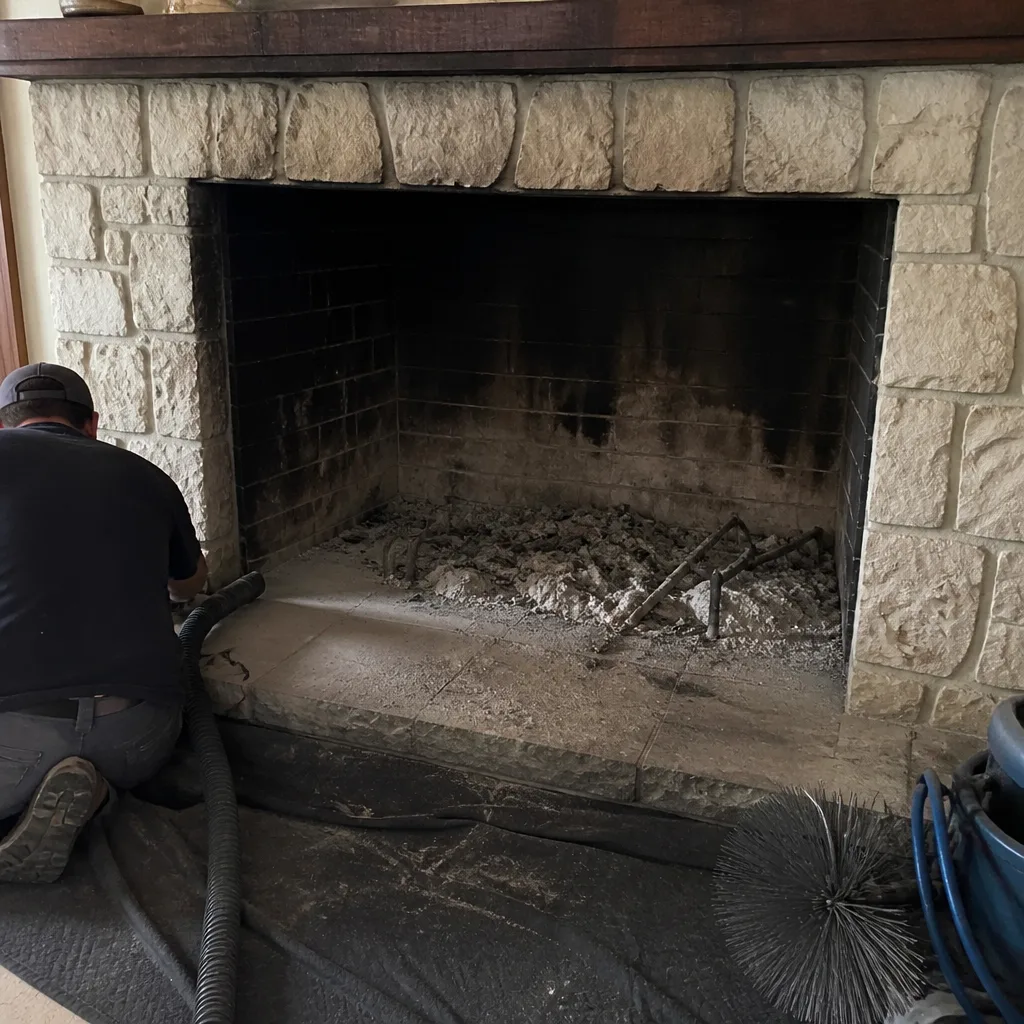 Before
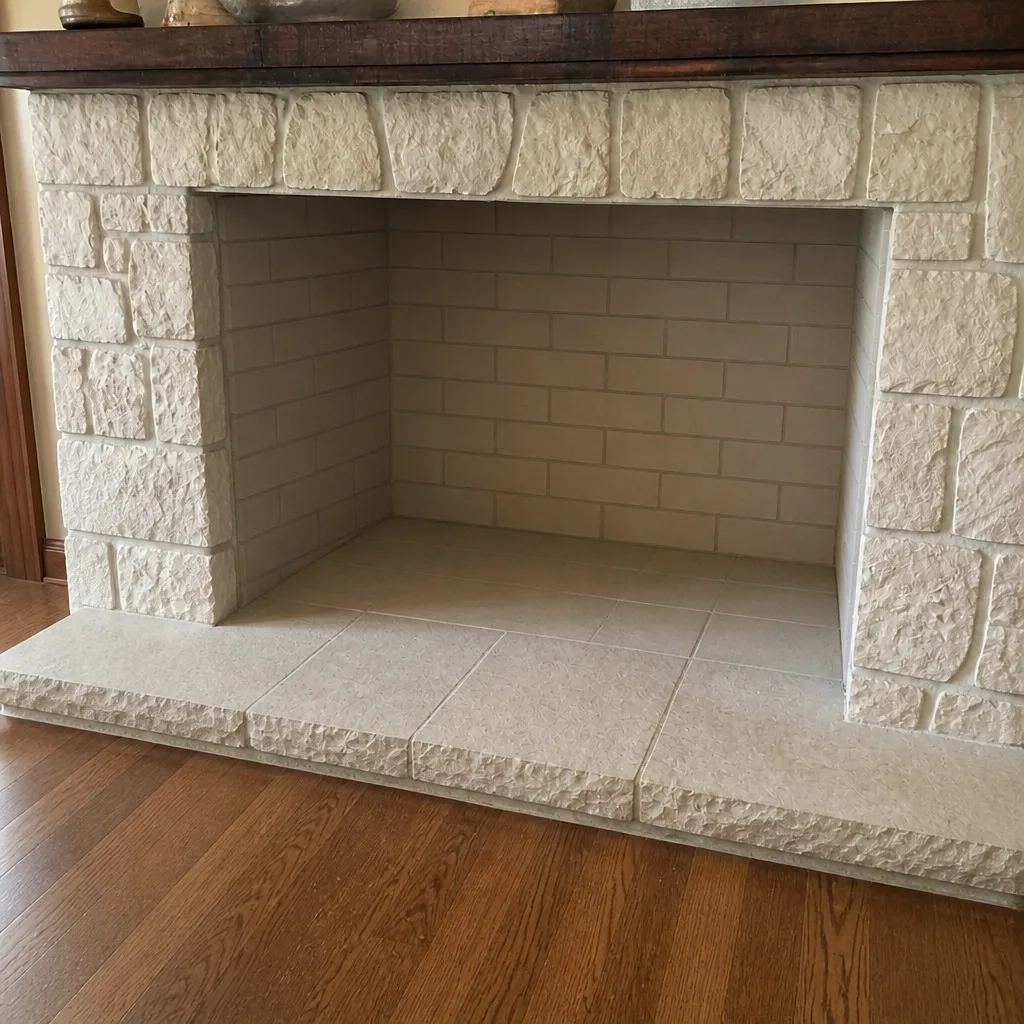 After
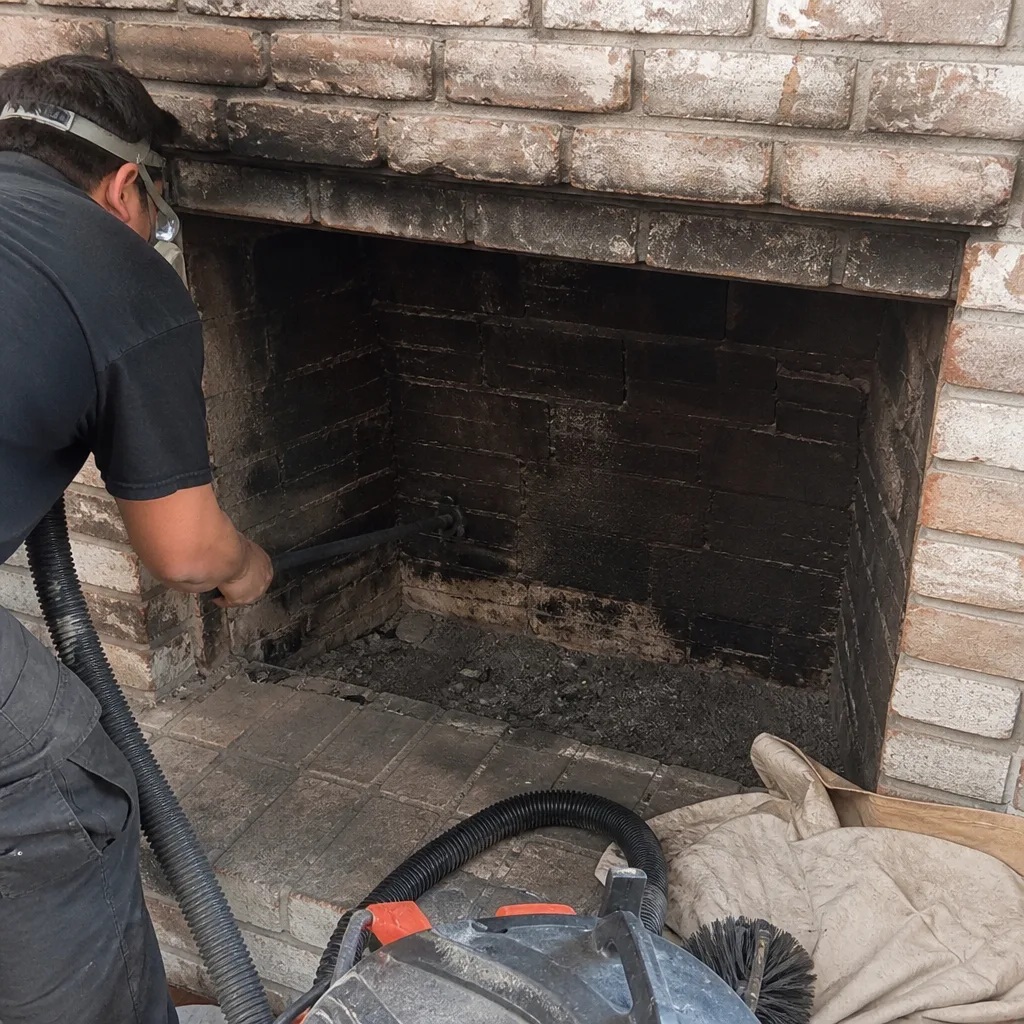 Before
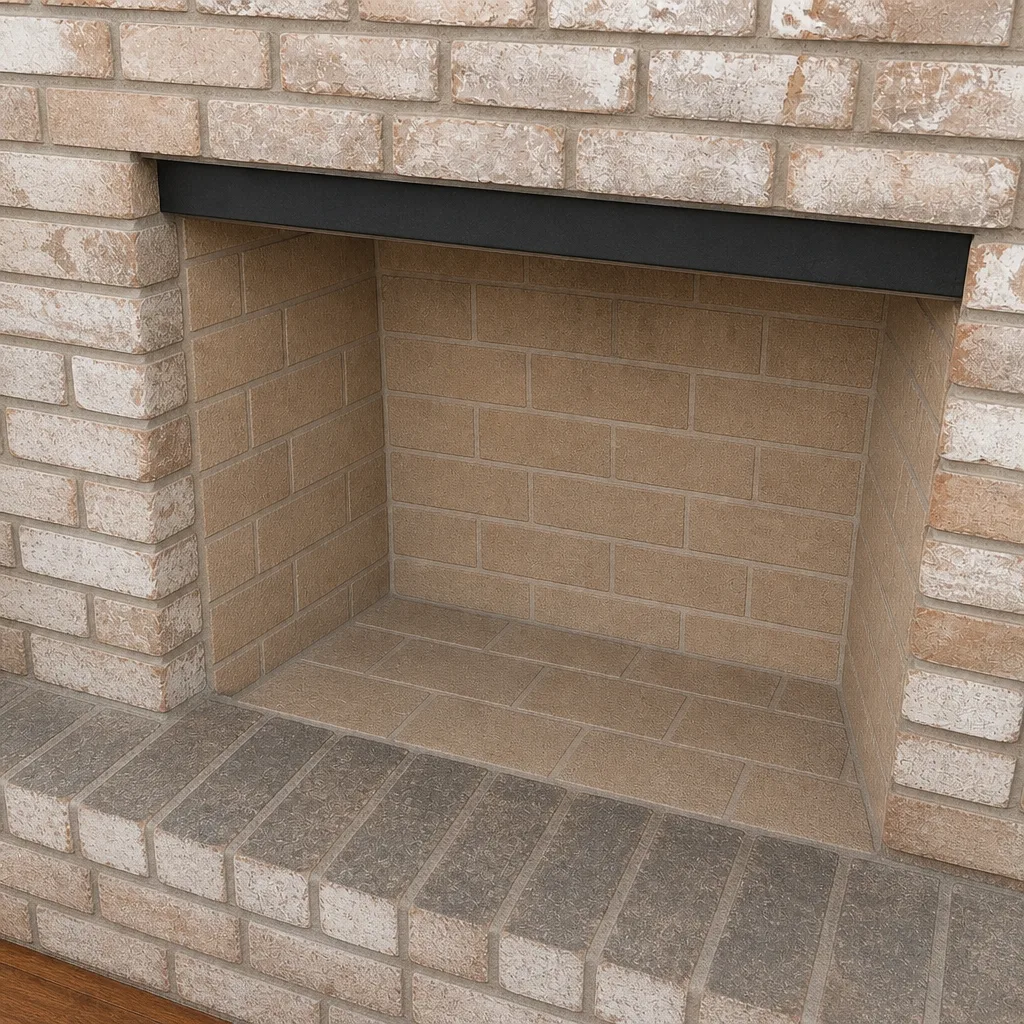 After
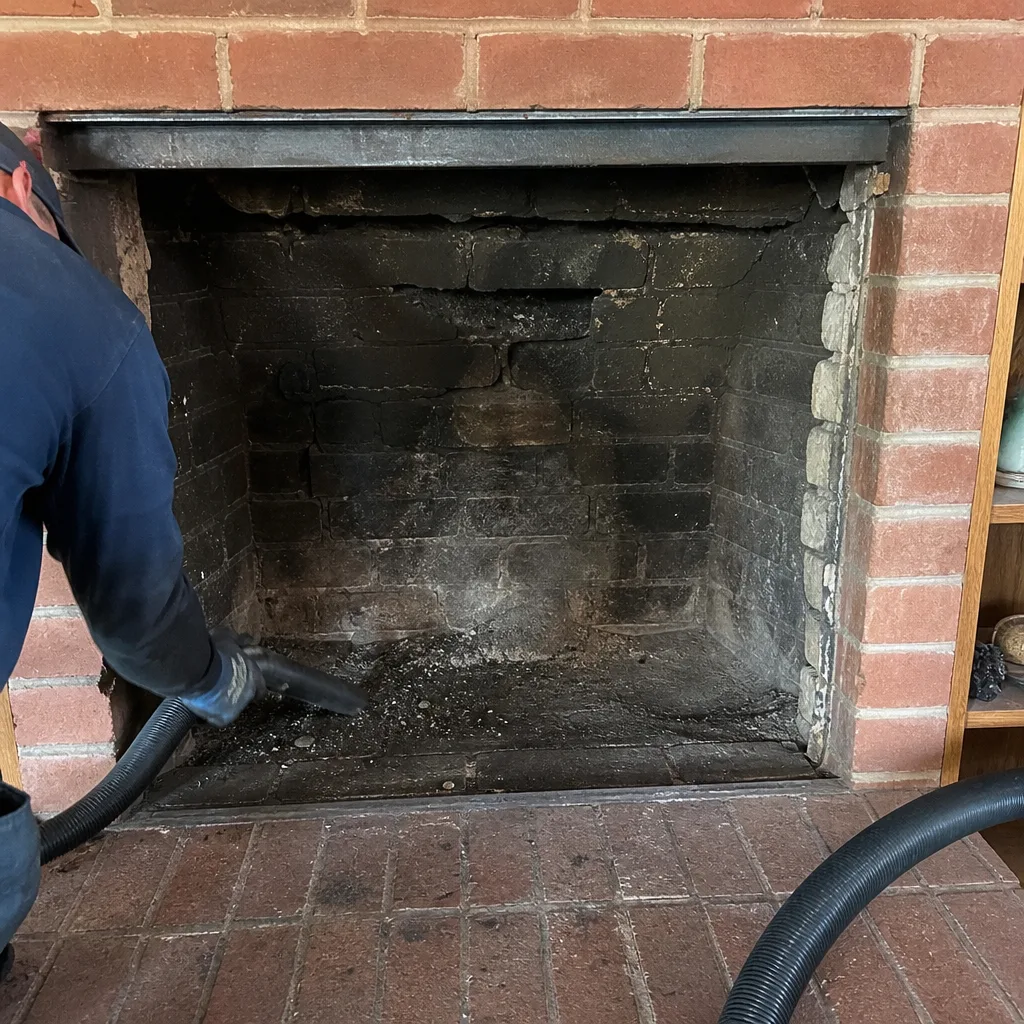 Before
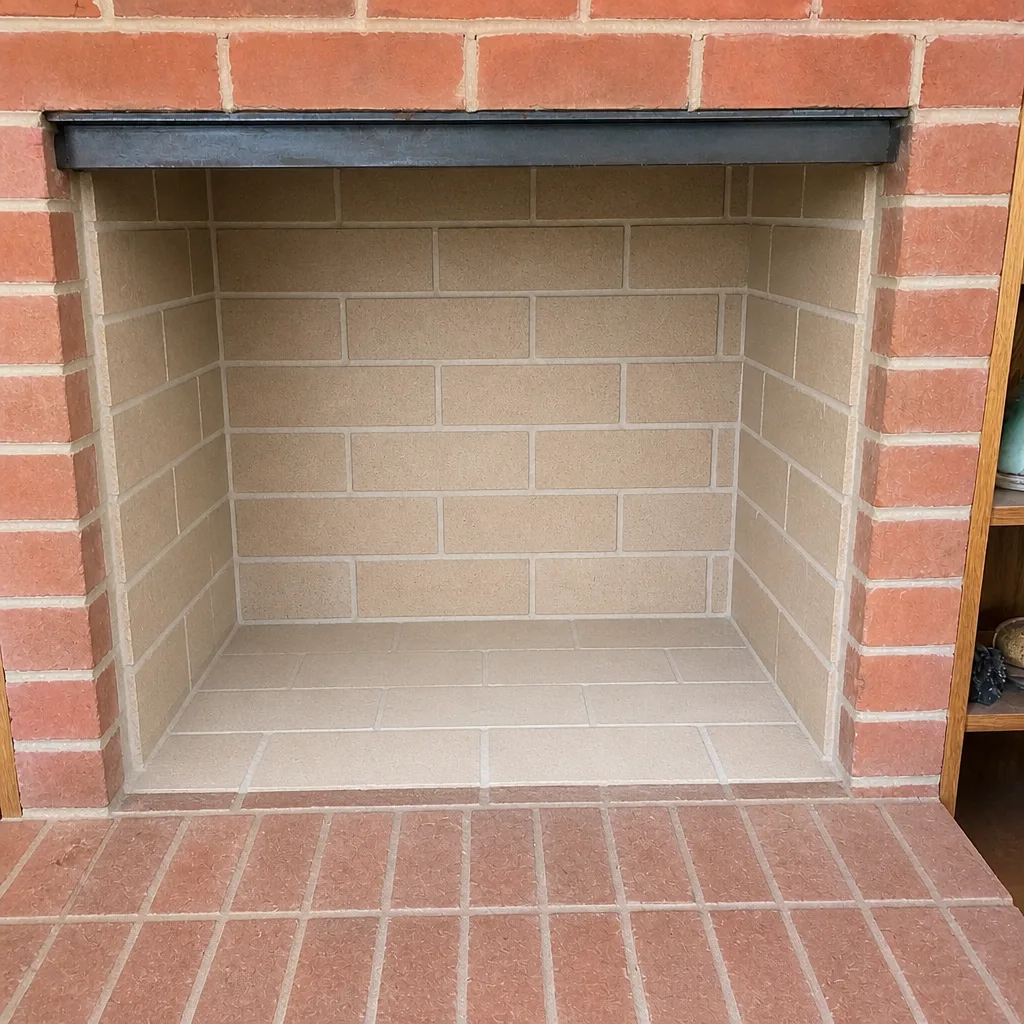 After
When to Call a Professional
Call a professional if the flue hasn’t been inspected in more than a year, if you’re burning more than three cords a season and haven’t had a mid-season check, or if you’re buying or selling a home and don’t know the chimney’s history. Call immediately if you suspect a chimney fire, if smoke is rolling into the room, if you smell a sharp creosote odor that lingers, or if carbon monoxide alarms have gone off. Call if the crown is visibly failing, if water is finding its way in after storms, or if a liner has been questioned by another contractor and you haven’t seen the camera evidence yourself.
The one thing that shouldn’t wait is the appointment itself. Chimney Sweep Visalia offers free estimates in Visalia – call (888) 861-2541. We answer 24/7. Fast dispatch from 7am to 7pm, Sunday through Friday. When you call, the estimate is per job, put in writing, and set before any work is booked. Nothing gets added after the fact.
Frequently Asked Questions
Once a year is the baseline for most wood-burning chimneys, timed before the first fire of the season rather than after. Heavy users burning more than three cords of wood, wood stove owners, and households burning unseasoned wood should add a mid-season inspection. Gas inserts and pellet stoves follow a different cadence tied to the appliance and venting rather than creosote accumulation. Call (888) 861-2541 for an exact recommendation on your setup – estimates are free.
No. A fall sweep before the first fire leaves the flue clear and inspected going into the burn season, and it catches crown, cap, and flashing problems before the rains start. A spring sweep cleans what already accumulated but leaves the flue loaded through the wet months and doesn’t confirm the chimney is ready for the next fire. The pre-season visit is the important one.
A Level 1 is what you get with a routine annual sweep when the system has a known history. A Level 2 is required when a home is sold or transferred, when a new appliance is installed or an existing one is changed, after a chimney fire or similar event, or when the chimney’s history is unknown. A Level 2 uses a camera to inspect the flue interior, which is the only way to actually see the liner condition. Call (888) 861-2541 to book the right level for your situation.
Gas inserts don’t build creosote, but they still need an annual inspection and cleaning of the appliance and venting. The concerns are blockage from debris or a dislodged cap, correct venting for the appliance, and moisture that can condense in the flue and contribute to deterioration over time. A gas insert that’s vented correctly and inspected annually is a safe system. One that hasn’t been looked at in years is a question mark.
Look at the camera evidence before deciding anything. A proper inspection includes photos of the flue interior showing the liner condition, and if the flue is damaged but not beyond saving, HeatShield resurfacing can be an alternative to a full reline in some cases. If a DuraFlex liner is the right call, you should be able to see why in the images. If the recommendation comes without it, ask for the photos before booking. Call (888) 861-2541 if you want a second set of eyes on the flue.
Yes, the annual schedule continues. A clean inspection a year ago confirms the chimney’s condition at that time; a season of burning changes what’s in the flue. The pre-season sweep and inspection happen every year, and the inspection catches changes in the crown, cap, and flashing that happened since. Any change to the appliance, a home sale, or a suspected event calls for a Level 2 regardless of what the last inspection found. Call (888) 861-2541 to book this season’s visit.
The Bottom Line
The annual sweep is the floor, not the ceiling. Wood-burning fireplaces with light use need one pre-season sweep and a Level 1 inspection, timed before the first fire rather than after. Heavy burners, wood stove owners, and anyone feeding the fire with unseasoned wood should add a mid-season check. Gas inserts and pellet stoves follow their own tracks, built around venting and appliance condition rather than creosote. The crown, cap, and flashing deserve their own line on the calendar, checked annually and repaired before the fall storms find a weak point.
None of this is guesswork. A camera inspection and photo report are part of every visit, so the recommendation you get is one you can see for yourself, and if the work can safely wait, we say so. For a homeowner in Visalia, that’s the whole point of a schedule: knowing what to do, and when, so nothing catches you by surprise. Call (888) 861-2541 to book the pre-season visit. We answer 24/7. Fast dispatch from 7am to 7pm, Sunday through Friday. Free estimates, and the price is set per job by the written estimate.
Written by the team at Chimney Sweep Visalia.