
Last updated November 15, 2026
 Sweep & inspection
 Caps & crowns
 Flue relining
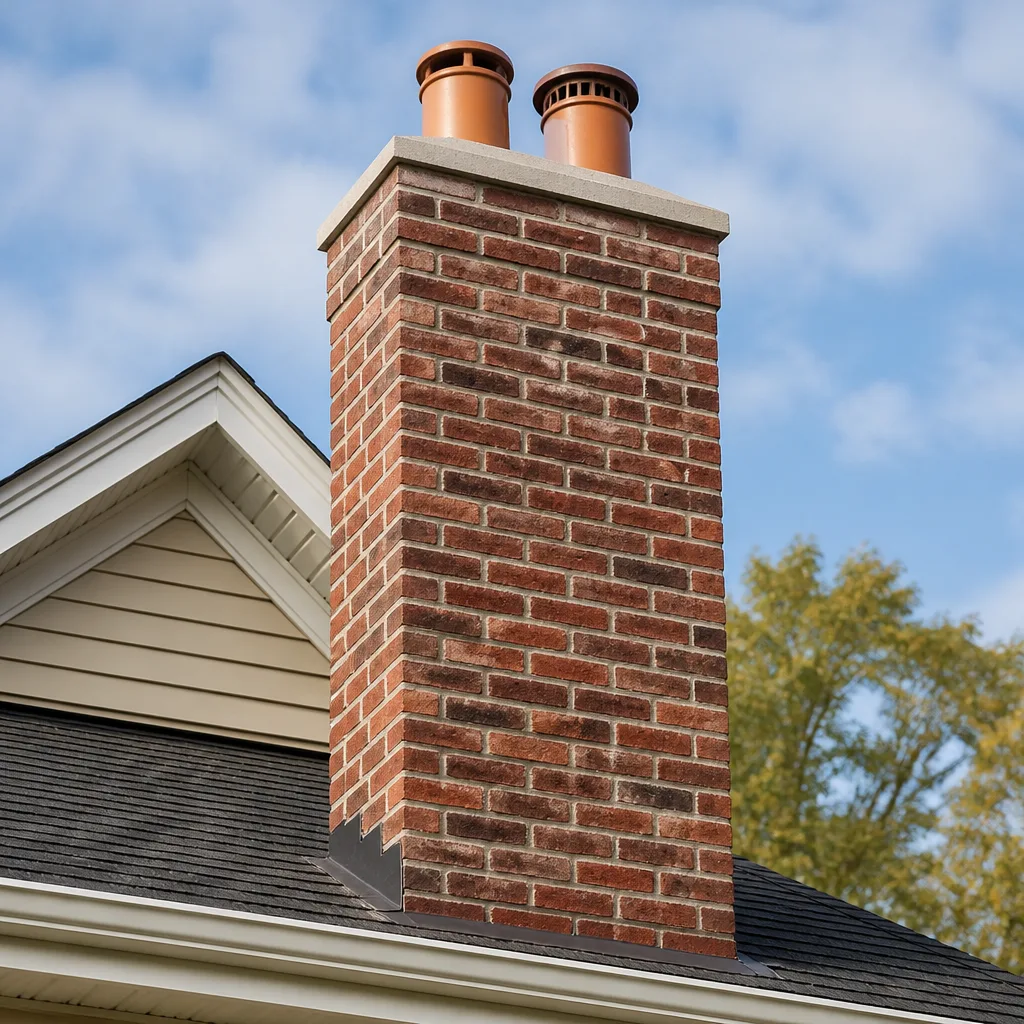 Masonry repair
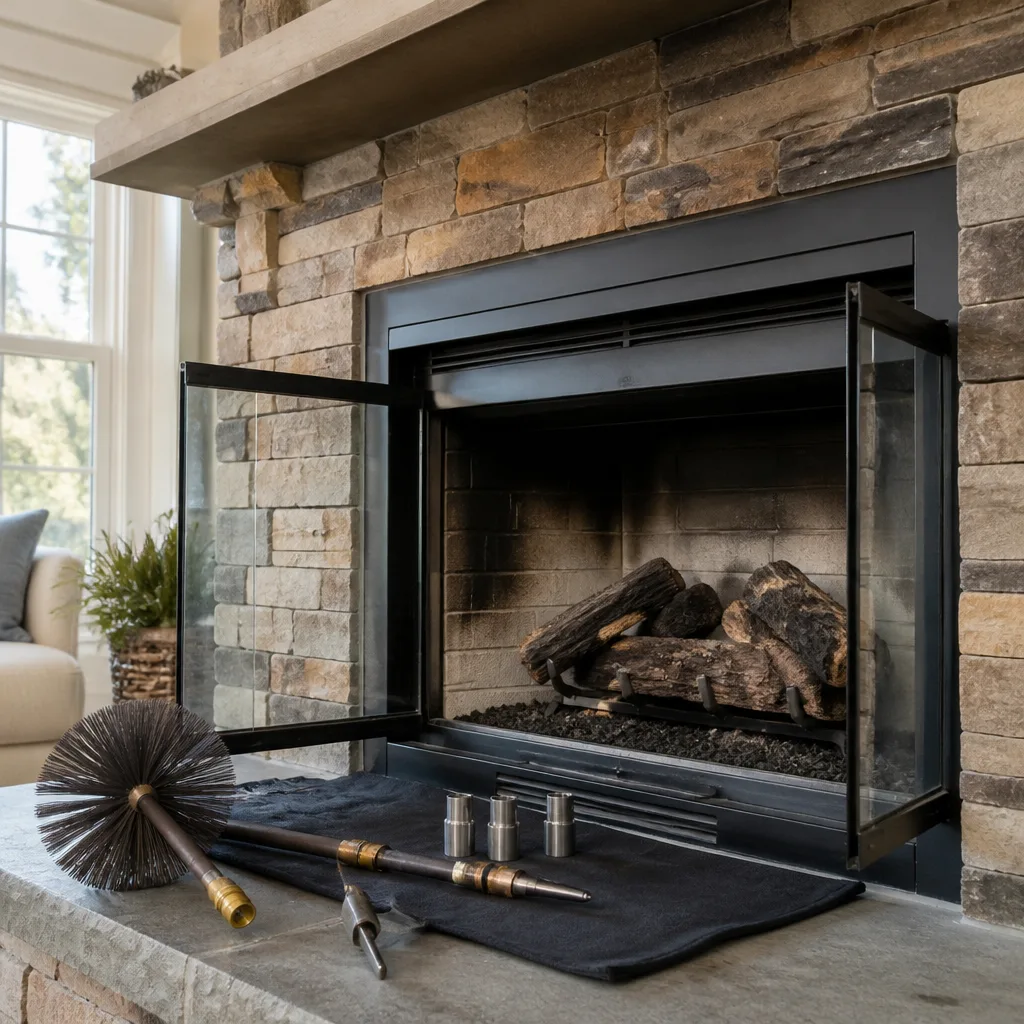 Gas fireplace service
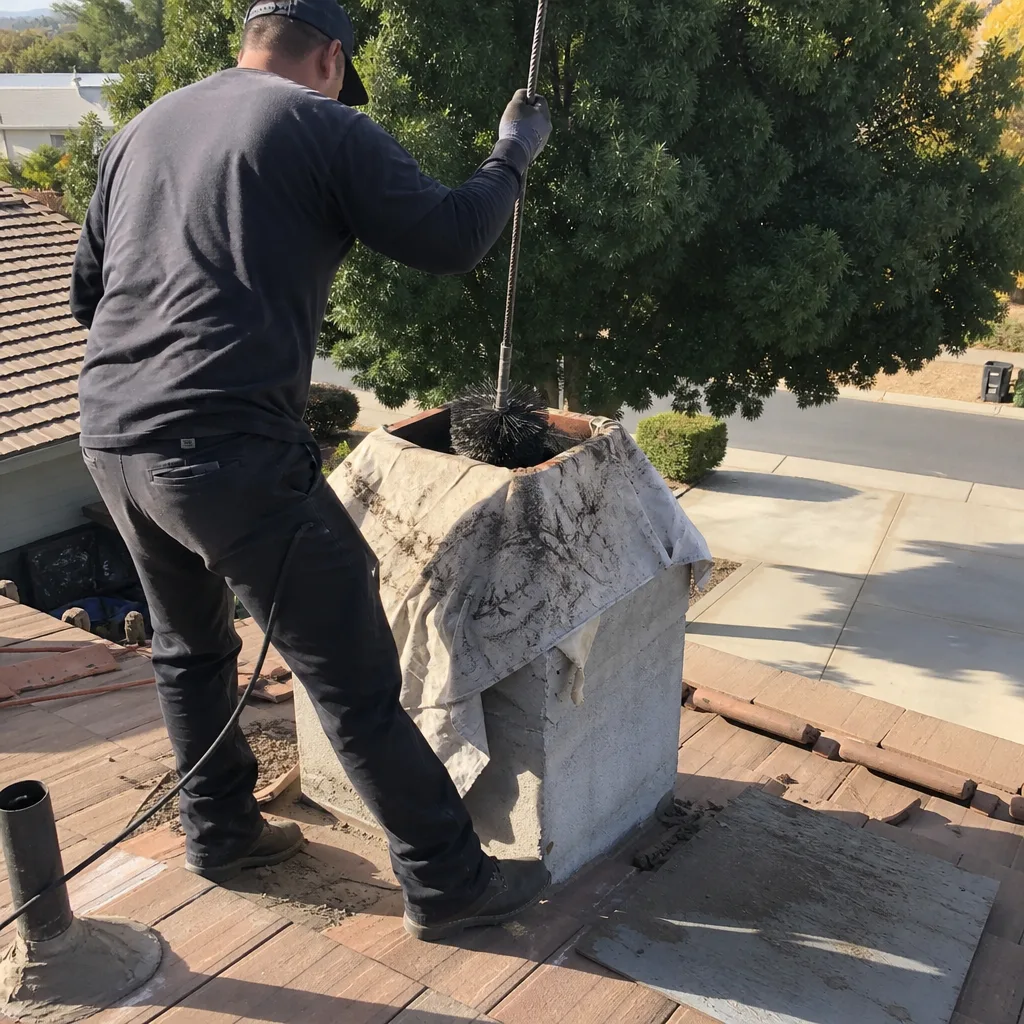
Level 1 sweep and inspection to the NFPA 211 annual standard - flue, crown, cap, and flashing checked and photographed
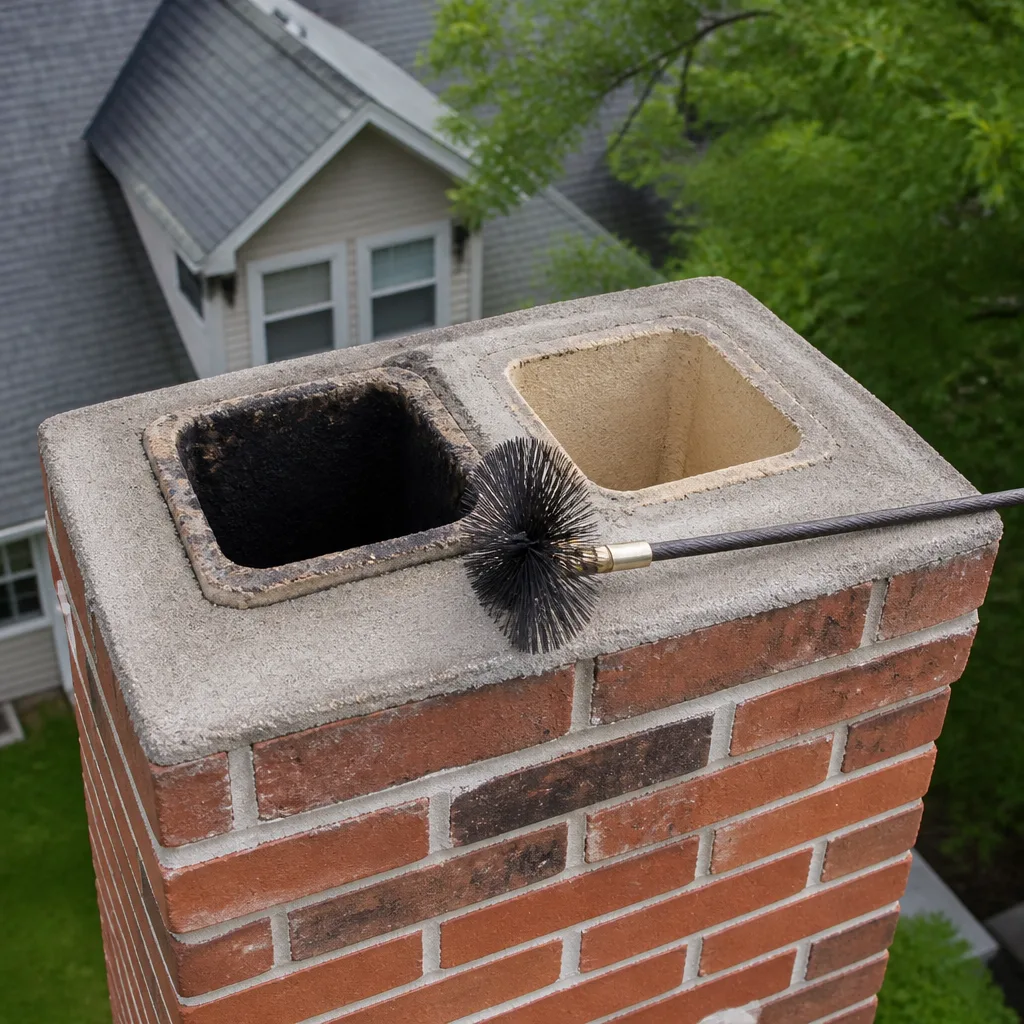
Chimney sweep logs do not sweep chimneys. They loosen some creosote - which then falls where a brush and vacuum still have to collect it.
Seasonal Chimney Cleaning Care for Visalia: Year-Round Homeowner’s Guide
The conventional wisdom says sweep your chimney before winter and forget about it until next year. In Visalia, that advice misses the most important part of the calendar. Where summer temperatures push past 100°F for weeks on end, the worst creosote hardening happens while the fireplace sits idle, not while you’re burning. The deposits left from last season bake and cure in the heat, and by the time cool weather arrives they’ve turned into something far harder to remove – and far more flammable – than they were in spring. This guide maps chimney care to Visalia’s actual seasons, not the generic four-season schedule you’ll find in national articles. You’ll learn which months matter most here, what to check after wind season, and when to book before the annual rush.
Quick Answer
In Visalia, the best time to book a chimney sweep is late September through early October, before the burning season starts and while the creosote from last year hasn’t yet been baked hard by summer heat. A late-spring check of the cap, crown, and flashing catches moisture problems before the dry season sets the damage. Winter is for active-use monitoring, and summer is when a dormant flue quietly gets worse. Booking in August puts you ahead of the annual backlog that builds every fall.
Styles & brands we work with
- Sweep & inspection
- Caps & crowns
- Flue relining
- Masonry repair
- Gas fireplace service
Table of Contents
- Why Visalia’s Climate Changes the Chimney Care Calendar
- What Summer Heat Does to a Dormant Flue
- The Optimal Service Window: Late September Through Early October
- What to Watch for During Winter Active Use
- Spring Tasks That Matter in the Valley
- Moisture Intrusion: How Minimal Rainfall Still Causes Damage
- The Full Visalia Seasonal Chimney Checklist
Why Visalia’s Climate Changes the Chimney Care Calendar
Most chimney care guides are written for places with real winters, where the cycle is simple: burn wood from October to March, sweep in spring, and let the chimney rest all summer. Visalia doesn’t work that way. The valley’s climate has a long, hot, dry summer and a short, mild winter, with no true freeze-thaw cycle to speak of. That matters more than homeowners realize, because the single biggest factor in how fast creosote becomes dangerous is not how much you burn – it’s what happens to the deposits after the burning stops.
Here’s the part generic guides miss. Creosote is a byproduct of incomplete combustion, and it forms in stages. Stage 1 is a light, flaky soot that brushes off easily. Stage 2 is a hardened, crusty deposit. Stage 3 is a glazed, tar-like coating that’s genuinely difficult to remove and highly combustible. What turns Stage 1 into Stage 2 and 3 is heat and time. In a cold climate, a dormant flue stays relatively cool and the deposits stay soft until the next fire. In Visalia, the flue can sit at high attic temperatures for months, and that steady, dry heat cures the deposits in place.
What this means for Visalia homeowners is that the annual inspection often finds harder deposits than the homeowner expects, especially if the sweep waited until late fall. It also means the “sweep before winter” rule is only half right here. You do want to sweep before winter, but you want to book early enough that the deposits get removed before the summer heat finishes curing them. By the time a September appointment arrives, some of that Stage 1 soot from last January has been sitting in the heat for eight months.
The practical fix is to move the annual appointment earlier than the national advice suggests. That’s the core of this whole guide, and everything below builds on it.
What Summer Heat Does to a Dormant Flue
A chimney that sits unused through a Visalia summer is not inert. It’s a sealed column of air, connected to the outside, absorbing heat through the roof and attic for weeks. Inside that column, whatever soot and creosote remained from last season is slowly being cooked. This is the single most important thing to understand about seasonal chimney care in Visalia, and it’s the reason a fall inspection here can find deposits a homeowner assumed would be soft.
Creosote formation follows a predictable path:
- Stage 1 – soot and flaky deposits. Forms with every fire, especially with cool or smoldering burns. Brushes off easily with a standard sweep. This is where most Visalia chimneys start the summer.
- Stage 2 – hardened, crusty deposits. Forms from heat and time in the presence of Stage 1 material. Harder to remove and more flammable. A Visalia summer accelerates this stage because the flue sits in sustained high heat.
- Stage 3 – glazed, tar-like deposits. The most dangerous and most difficult to remove. Requires mechanical cleaning and often chemical treatment. Rare, but in a hot valley flue with repeated seasons of skipped sweeps, it’s the direction things move.
What this means in practice: if you sweep every year, you’re usually clearing Stage 1 material before it has time to harden. If you skip a year in Visalia, the deposits from two seasons of burning have had a full summer of heat in between to cure, and what would have been a straightforward sweep becomes a longer, more involved cleaning job.
We’ve seen this pattern across Visalia homes year after year. The difference between a home swept each fall and one swept every other fall isn’t just a bit more soot – it’s a meaningfully harder cleaning. Fall inspection findings in a home that skipped a year routinely show thicker, more baked-on deposits than the homeowner expected. That’s not a scare tactic; it’s just what a hot, dry dormant flue does to organic material sitting inside it.
The takeaway is simple: don’t let the summer sit on last year’s deposits. If your last sweep was more than a year ago, treat the late-summer booking as urgent, not optional.
The Optimal Service Window: Late September Through Early October
The best window for a chimney sweep in Visalia is late September through early October. That’s the point where summer heat is breaking, the burning season is still a few weeks out, and the deposits from last season haven’t had a chance to be reheated by a new fire. Sweep in that window and you start the burning season with a clean, inspected flue.
Why not wait until November? Two reasons. First, by November the annual backlog has arrived. Homeowners across the valley wake up to cold mornings, remember the chimney, and call all at once. Booking in August or early September puts you ahead of that wave and gives you a real choice of appointment dates instead of the dregs of the schedule. Second, the longer those deposits sit through the tail of summer heat, the harder they get. A late September sweep is easier on the chimney and takes less time than a December sweep of the same deposits.
Here’s how the fall service sequence works when you book a sweep and inspection with a chimney-only specialist:
- Book early. August or early September for a late-September or early-October appointment. This avoids the backlog.
- Sweep first. A trained technician sweeps the flue with the right brush for your liner type, clearing last season’s deposits while they’re still relatively soft.
- Inspect second. With a clean flue, the technician can actually see the liner, the smoke chamber, the damper, and the firebox. An inspection of a dirty flue misses things a clean one reveals.
- Report and advise. You get a clear report on what was found and what, if anything, needs repair before the burning season starts.
A proper inspection follows the NFPA 211 standard levels, covering safety, structure, and appliance compatibility. That’s the industry benchmark, and it’s what a chimney-only specialist should be working to. If a general handyman or HVAC company offers to “check the chimney” as part of another job, ask what standard they’re inspecting to. The answer is often vague.
For a chimney that has sat through several Visalia summers without a sweep, the cleaning itself may take longer and the inspection may uncover repairs that wouldn’t have been needed with annual care. That’s the cost of skipping, and it’s why we push the fall window so hard. For a proper chimney sweep, book before October so the burning season starts clean.
What to Watch for During Winter Active Use
Once the burning season starts, your job shifts from maintenance to monitoring. You’re not cleaning anything in winter; you’re watching for signs that the chimney needs attention before spring. Most winter chimney problems announce themselves early if you know what to look for. Here are the four signals that matter most during active use in Visalia.
- Smoke rollback. If smoke drifts back into the room instead of going up the flue, the draft is compromised. This can be a partial blockage, a closed or damaged damper, or a pressure issue in the home. Any persistent rollback warrants a mid-season inspection.
- Odor changes. A chimney that suddenly smells stronger or different during use is telling you something. A sharp, acrid smell can indicate a buildup of deposits, while a smoky smell in a room with no fire can point to a draft problem.
- Visible deposit buildup. If you can see a thick, dark coating on the firebox walls or the damper, deposits are building faster than normal. That’s a sign to schedule an inspection rather than waiting for spring.
- Difficulty starting or maintaining a fire. A fire that used to light easily and now struggles can indicate reduced draft from partial blockage or deposit buildup in the flue.
A mid-season inspection is warranted when any of these persist beyond a single fire. One smoky start on a cold, damp morning is normal. A pattern across a week of burning is not. If you notice rollback or odor that doesn’t clear up, call and get it looked at before you keep burning.
Winter is also when carbon monoxide risk deserves a moment of attention. A blocked or damaged flue can let combustion gases back into the home, and that’s a genuine safety issue, not a sales pitch. Every home with a wood-burning fireplace or gas appliance vented to a chimney should have working carbon monoxide detectors on each level. That’s the baseline, and it’s independent of anything a chimney sweep does.
When the burning season ends, don’t just close the damper and walk away. Note anything you observed during the winter – rollback, odor, difficulty lighting – so you can raise it at the fall inspection. A good sweep will want to know what you noticed.
Spring Tasks That Matter in the Valley
Spring in Visalia is not a passive season for chimney care. The valley’s wind season moves a lot of agricultural dust and fine grit through the air, and that material settles on chimney caps, screens, and spark arrestors. A cap that’s clogged with dust and debris stops doing its job, and the result is reduced draft, moisture intrusion, and sometimes animal entry. Spring is when you deal with it.
The spring tasks that actually matter in the valley:
- Clear the cap and screen. Dust, grit, and debris accumulate on the cap mesh and spark arrestor through the windy months. A clear cap vents properly and keeps animals out; a clogged one does neither. This is a job for a trained technician on the roof, not a homeowner with a ladder.
- Check for pest entry. Spring is when birds, squirrels, and other animals look for nesting spots, and a chimney with a damaged or missing cap is a prime target. A proper cap from a supplier like Gelco or Olympia Chimney closes that door with the right fit for your flue.
- Inspect the crown and flashing. The spring check is your chance to catch moisture damage before the summer heat sets it. More on this in the next section.
- Look at the firebox and damper. Winter use can leave the firebox walls and damper with visible wear. Spring is a good time to note anything that needs attention so it’s on the list for the fall repair visit.
Agricultural dust is easy to underestimate if you’re used to city air. In the valley, the combination of wind, dry soil, and nearby fields means the air carries fine particulate that settles on any horizontal surface – and a chimney cap is a horizontal surface. Over a season, that material compacts on the mesh. A cap that looked fine in October can be noticeably restricted by May. Clearing it is quick when done as part of a spring check and prevents a whole category of draft problems before the burning season returns.
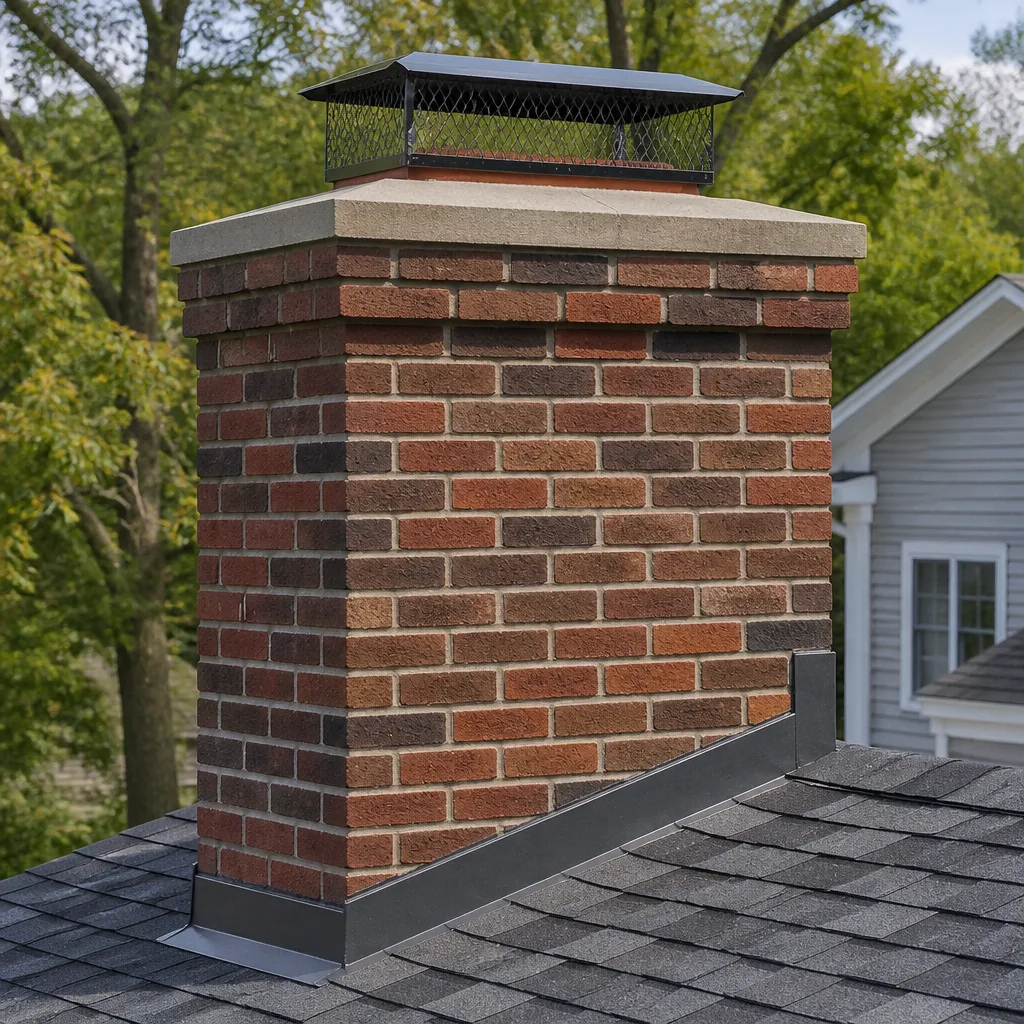
Spring is also the season to think about the cap itself, not just what’s on it. If the cap is rusted, loose, or the wrong size for the flue, replacing it with a properly fitted component from a recognized supplier prevents the animal and moisture problems that a bad cap invites. A chimney-only specialist handles that as part of the same visit, so you’re not juggling contractors.
Moisture Intrusion: How Minimal Rainfall Still Causes Damage
Visalia doesn’t get much rain, and that’s exactly why moisture damage sneaks up on homeowners here. In a wet climate, a leaky chimney shows itself every winter. In the valley, a small intrusion can go unnoticed for years because there’s so little rain to reveal it. But the damage accumulates slowly, and the summer heat finishes what the rain starts.
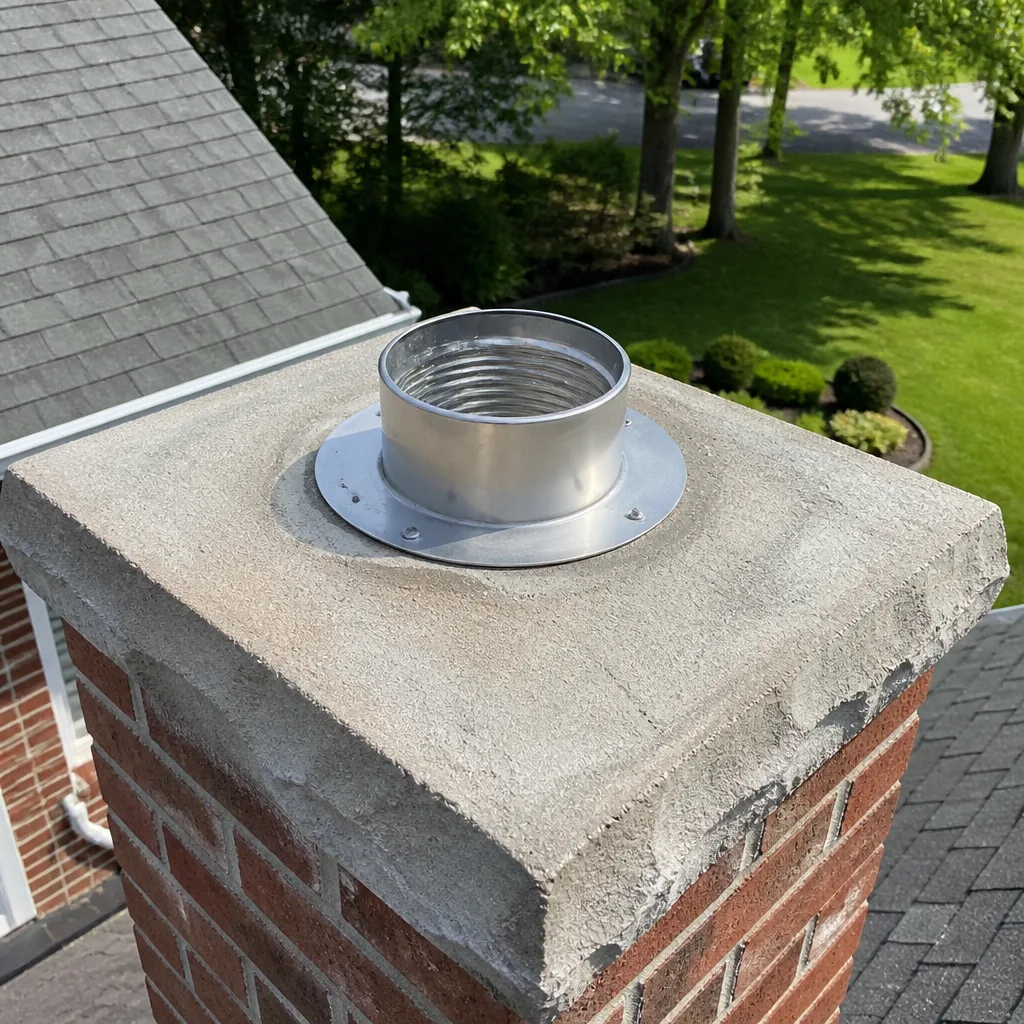
The two spots where moisture gets in are the crown and the flashing. The crown is the concrete or mortar cap at the top of the chimney that sheds water away from the flue. When it cracks, water runs down into the chimney structure instead of off it. The flashing is the metal seal where the chimney meets the roof, and when it fails, water tracks along the roofline into the attic and ceiling. Neither failure requires heavy rain to cause problems. A few storms a year is enough to push water into a crack, and the valley’s summer heat then bakes that moisture into the masonry. The repeated cycle of wet and dry, wet and dry, is what breaks masonry down over time.
The late-spring check is the one that catches this before summer sets the damage. Here’s what it covers:
- Crown condition. Cracks, spalling, or separation from the flue. A crown that’s failing can often be repaired or resurfaced rather than rebuilt, especially if it’s caught early.
- Flashing seal. Loose, lifted, or corroded flashing at the roof line. This is one of the most common sources of chimney-adjacent leaks and one of the easiest to miss from the ground.
- Masonry joints. Soft or crumbling mortar between bricks, which lets water into the structure. Repointing with the right mortar mix is a straightforward repair when it’s caught before the joints fail completely.
- Liner integrity. A cracked clay liner or a deteriorated liner lets moisture and combustion gases into the chimney structure. Liner repair is where professional-grade materials like HeatShield resurfacing and DuraFlex flexible liner systems come in – a properly relined flue is both safer and more moisture-resistant than a failing one.
The point of the late-spring check is to catch moisture damage while it’s still a repair rather than a rebuild. A cracked crown caught in May is a resurfacing job. The same crack after two more summers of heat and rain can mean rebuilding the top of the chimney. That’s the seasonal logic of moisture care in Visalia, and it’s why the spring tasks aren’t busywork. If you’re scheduling the spring check, this is also the time to line up any chimney repair the inspection found so it’s done before the burning season, not during it.
The Full Visalia Seasonal Chimney Checklist
Here’s the whole year in one place, organized by season so you can work through it as the calendar turns. This is the schedule that matches Visalia’s climate, not the generic national advice.
Late Winter to Early Spring
- Note anything you observed during the burning season – rollback, odor, difficulty lighting – and write it down for the spring visit.
- Schedule the spring check for after the last fires of the season.
- Clear the cap and spark arrestor of dust, grit, and debris from wind season.
- Check for pest entry and confirm the cap is intact and properly fitted.
Late Spring
- Inspect the crown for cracks and spalling.
- Inspect the flashing at the roof line for lifted or corroded seals.
- Check masonry joints for soft or crumbling mortar.
- Confirm liner integrity and get any repair done before summer heat sets the damage.
Summer
- Book your fall sweep in August or early September, before the backlog.
- Keep the cap clear of dust and debris through the dry months.
- Don’t burn heavily in summer; if you do, be aware deposits are curing faster than in a cool climate.
Late September to Early October
- Get the annual sweep done, clearing last season’s deposits before they harden further.
- Get the inspection done on a clean flue, following NFPA 211 levels.
- Address any repairs the inspection found before the burning season starts.
Winter
- Monitor for smoke rollback, odor changes, and visible deposit buildup.
- Keep carbon monoxide detectors working on each level.
- Schedule a mid-season inspection if any signal persists beyond a single fire.
- Call a professional if you see Stage 3 glazed deposits – these should never be burned through.
Print the checklist and stick it somewhere you’ll see it. The seasonal discipline is what keeps a Visalia chimney in good shape, and most homeowners who keep this schedule never face an emergency sweep. The ones who skip the fall window and wait for a smoky morning in December are the ones who end up on the backlog.
Common Mistakes to Avoid
- Following the “sweep before winter, forget until next year” rule. In a hot valley, that misses the whole point of summer curing. The deposits from last season need to come out before the heat bakes them further, and that means booking earlier than the national advice suggests.
- Waiting until the first cold morning to book. Every Visalia homeowner who does this lands in the November backlog at the same time. Book in August for a late-September slot and you skip the wave entirely.
- Skipping the spring check because it doesn’t rain much. The valley’s minimal rainfall is exactly why small crown and flashing failures go unnoticed for years. The spring check catches them before the summer heat turns a repair into a rebuild.
- Burning through glazed deposits instead of getting them removed. Stage 3 creosote is highly combustible and doesn’t clear itself with use. Continuing to burn a chimney with glazed deposits raises the risk of a chimney fire and should be treated as a stop-burning situation until it’s cleaned.
- Letting a generalist handle the chimney. A handyman or HVAC company treating the chimney as a sideline can sweep and inspect, but often won’t have the repair capability or the professional-grade materials a real flue problem needs. A chimney-only specialist handles sweep, inspection, and repair as one system.
- Ignoring the cap in spring. A cap clogged with agricultural dust through wind season limits draft and invites moisture and animals. Clearing it is quick when it’s part of a spring visit and prevents a whole class of problems before fall.
- Treating the annual sweep as the whole job. A sweep clears deposits; an inspection catches structural and safety issues that a cleaning alone won’t reveal. Do both, on a clean flue, every year.
See the difference
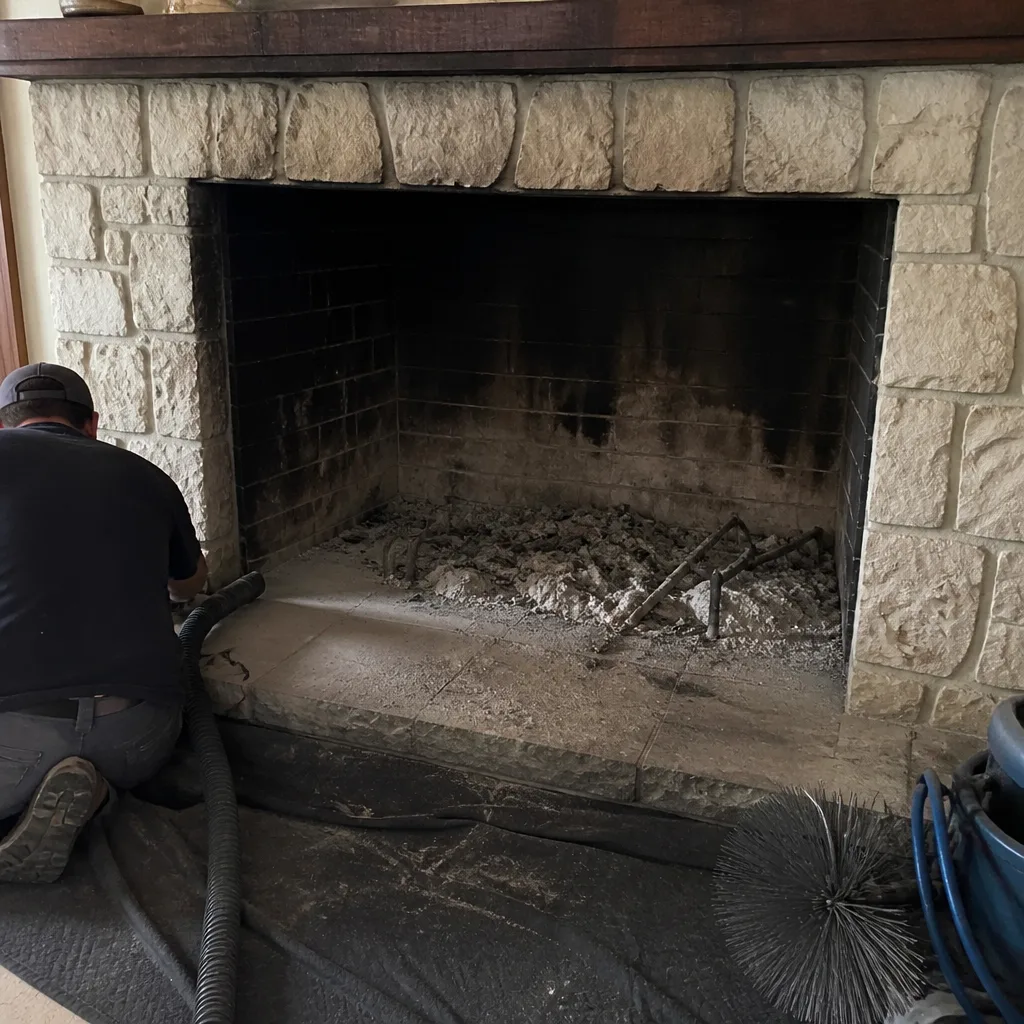 Before
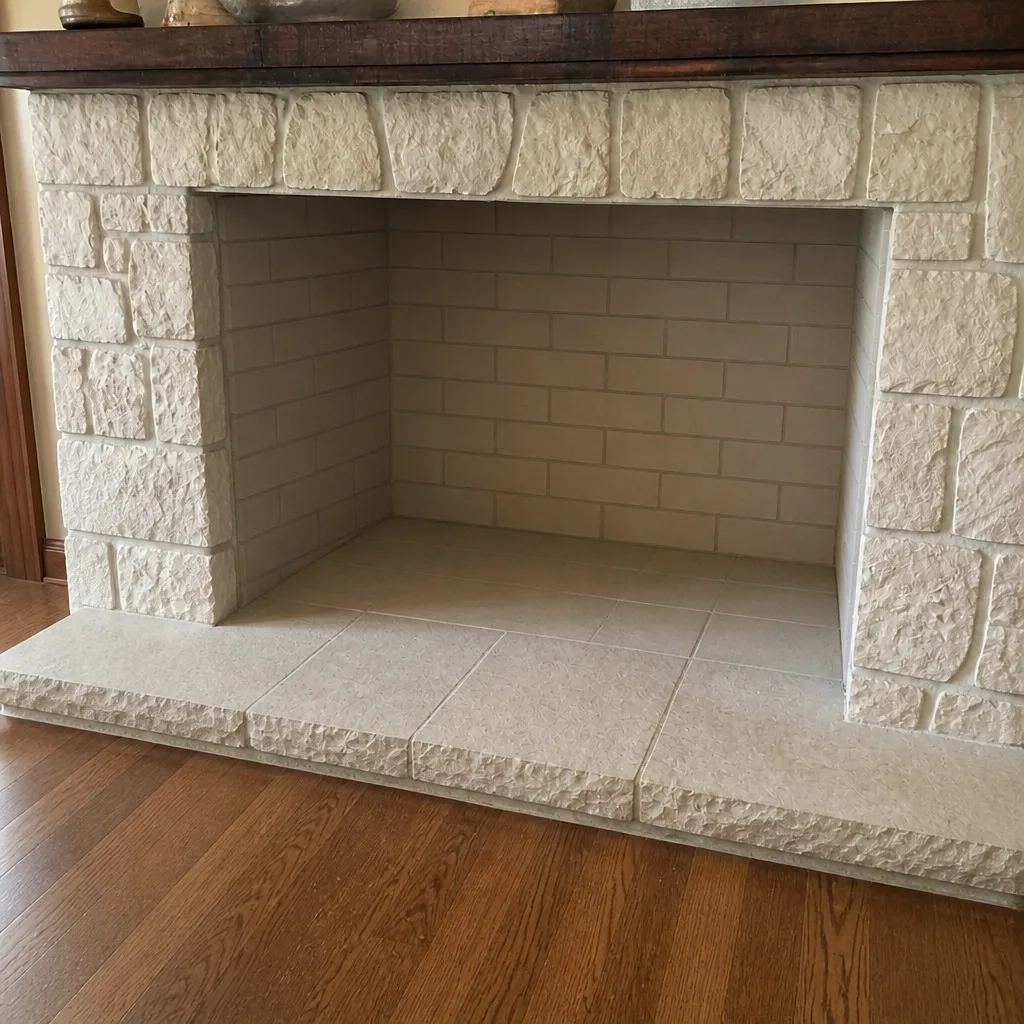 After
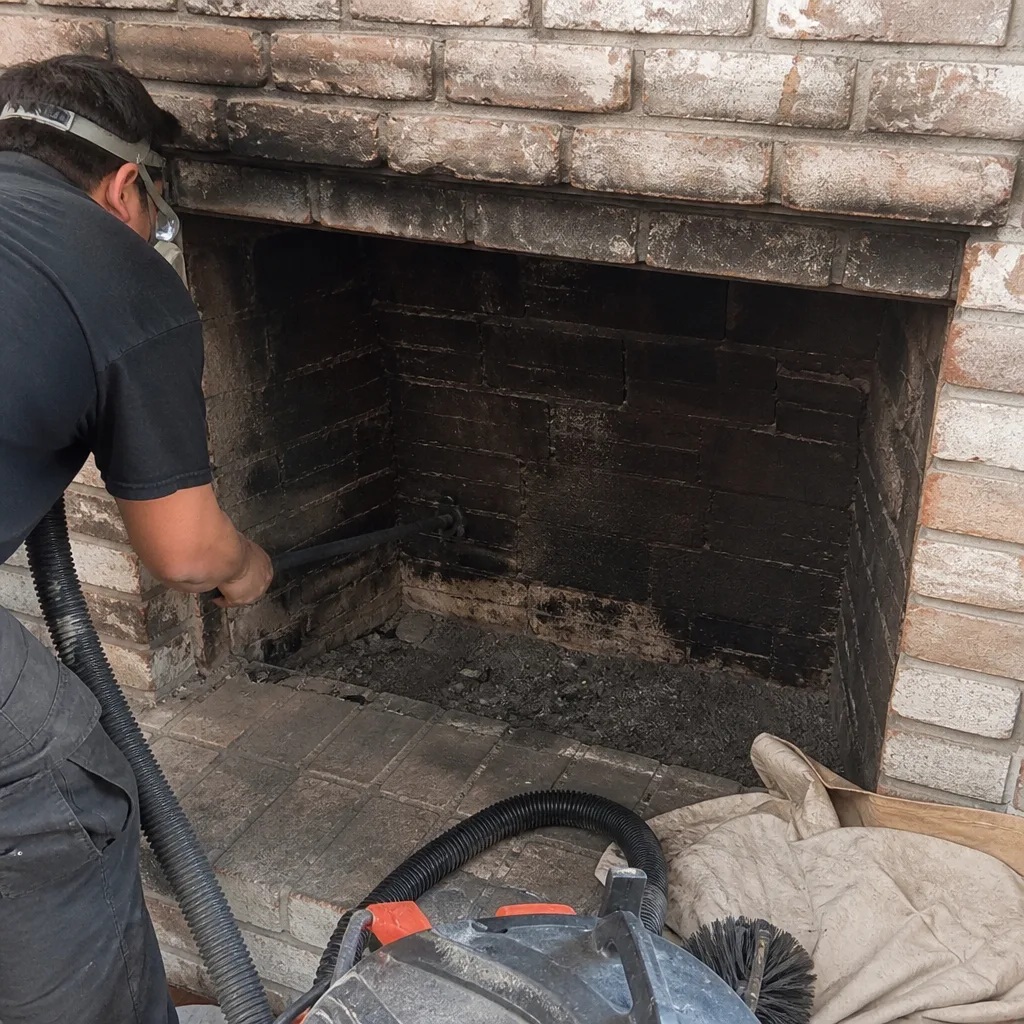 Before
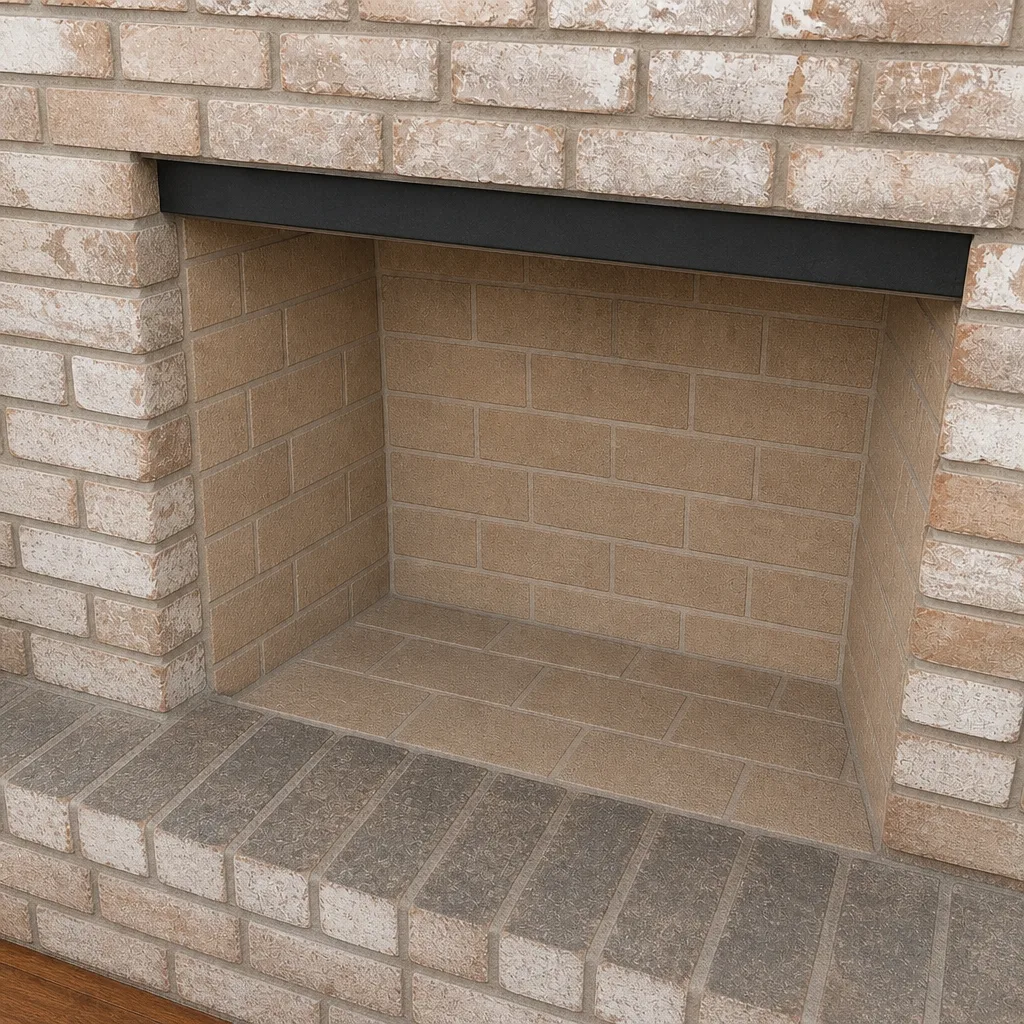 After
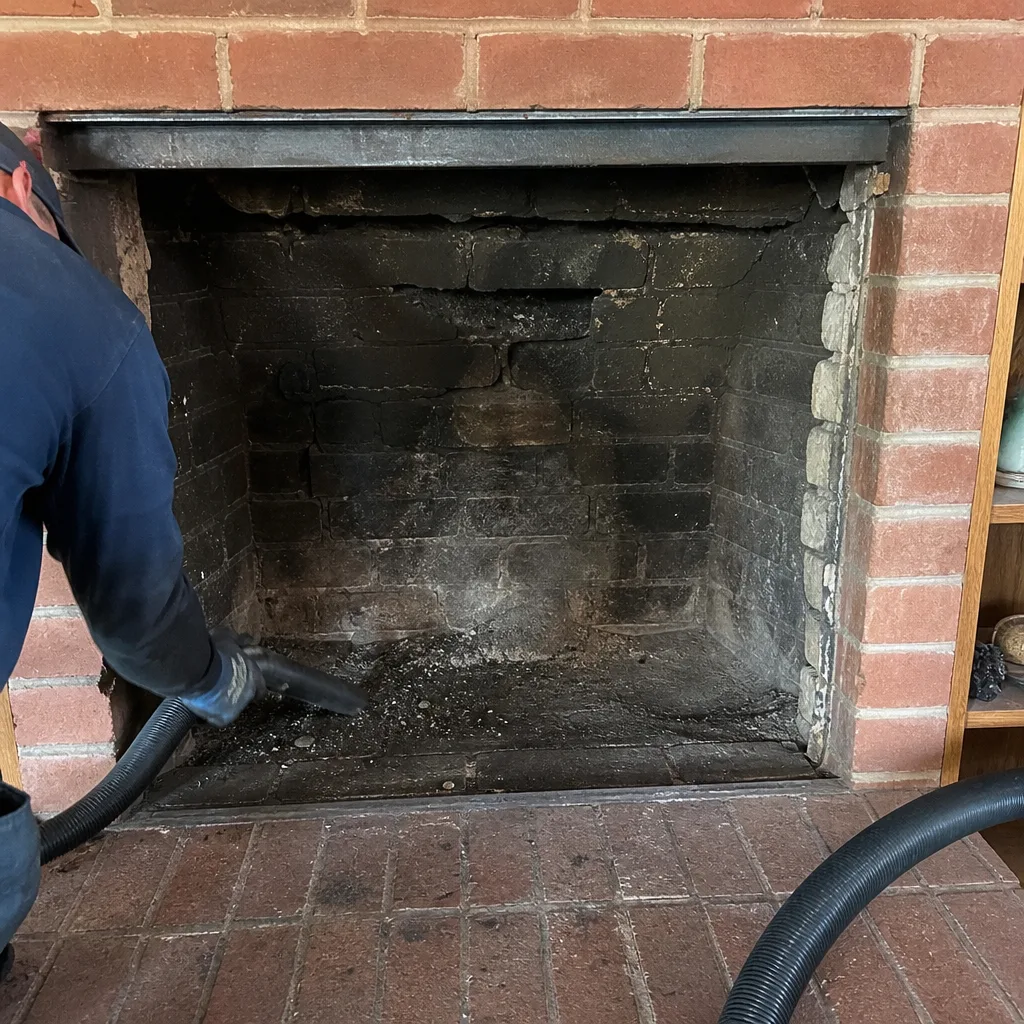 Before
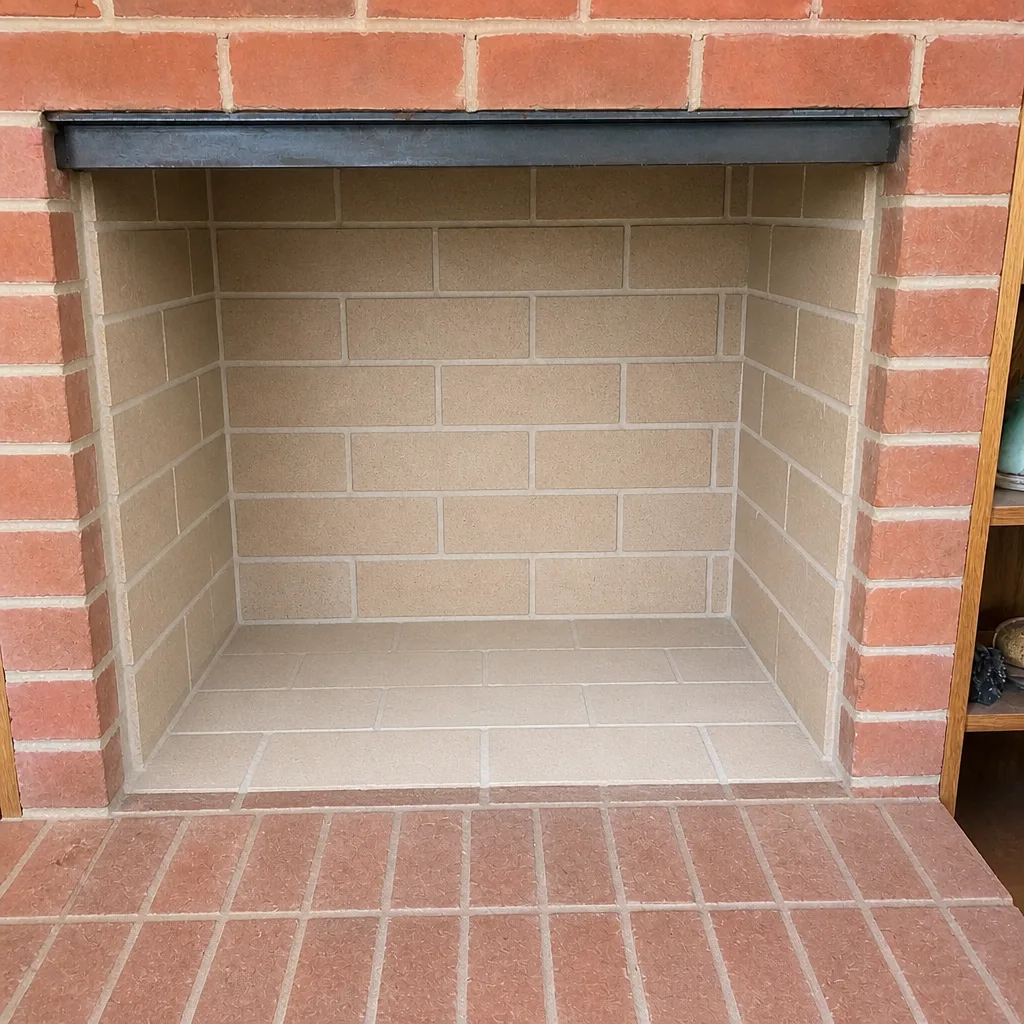 After
When to Call a Professional
Some chimney work is annual maintenance; some is a call you make as soon as you notice the problem. Call a professional if you see smoke rolling back into the room on a regular basis, if the chimney smells sharply different during use, or if you can see thick dark deposits on the firebox or damper. Call if you find glazed, tar-like deposits anywhere in the flue – that’s Stage 3 creosote and it should not be burned through. Call if the cap is damaged or missing, if you see cracked or crumbling masonry at the crown, or if water is staining the ceiling or wall near the chimney. And call if it has been more than a year since your last sweep, because in Visalia the summer heat has been working on those deposits the whole time.
Chimney Sweep Visalia offers free estimates in Visalia – call (888) 861-2541. We answer 24/7. Fast dispatch from 7am to 7pm, Sunday through Friday. Our technicians have up to 14 years of experience, and we work to NFPA 211 inspection levels on every visit.
Frequently Asked Questions
Once a year, ideally in late September or early October before the burning season starts. Visalia’s hot summers cure creosote faster than a cool climate does, so skipping a year means the deposits have had a full summer of heat to harden in place. Annual sweeping keeps the cleaning manageable and the flue safer.
Book in August or early September for a late-September or early-October appointment. That gets you ahead of the annual backlog that builds when cold weather arrives, and it lets the sweep clear last season’s deposits before they’ve been baked by the tail of summer heat. Waiting until November puts you in the queue with everyone else.
Yes. Heat and time are what turn Stage 1 soot into Stage 2 hardened deposits and eventually Stage 3 glazed creosote. A dormant flue in a Visalia summer can sit in sustained high temperatures for weeks, and that steady heat cures the deposits faster than in a cooler climate. Fall inspections here often find harder deposits than the homeowner expected.
Clear the cap and screen of agricultural dust that accumulates through wind season, confirm no animals have nested, and inspect the crown and flashing for cracks and failing seals. The late-spring check is your chance to catch moisture damage before summer heat sets it into the masonry. It’s also the time to note any firebox or damper wear for the fall repair visit.
Yes, and the valley’s low rainfall makes it easier to miss. A single cracked crown or failed flashing can let water in during the few storms a year, and the summer heat then bakes that moisture into the masonry. The repeated wet-and-dry cycle is what breaks masonry down over time, so catching it in spring matters more here than in a wet climate.
The deposits from last season sit in the chimney through a hot Visalia summer and harden. What would have been a straightforward Stage 1 cleaning becomes a longer, more involved job, and the fire risk goes up. Skipping a year doesn’t just mean slightly more soot; it means harder deposits, a more expensive cleaning, and a chimney that’s less safe to burn in. Call (888) 861-2541 to book before the fall backlog – estimates are free.
The Bottom Line
Visalia’s climate writes a different chimney-care schedule than the rest of the country. The long, hot summer is the quiet part of the year that quietly makes deposits harder to remove, the fall window matters because it beats both the heat and the backlog, the spring check matters because the minimal rainfall hides moisture damage from plain sight, and winter is for watching, not cleaning. Keep the four seasons on that schedule and you keep the chimney clean, inspected, and safe without ever facing an emergency sweep. For homeowners in Visalia, the annual sweep and inspection is the anchor of the whole routine, and booking it before the burning season is what makes the rest of the year easier.
Call (888) 861-2541 for a free estimate. We answer 24/7. Fast dispatch from 7am to 7pm, Sunday through Friday. Sweep, inspect, and repair handled by one chimney-only specialist, with professional-grade materials from HeatShield, DuraFlex, Gelco, and Olympia Chimney when a repair is needed.
Looking for the full run of what we do? Start at Chimney Sweep Visalia.
Written by the team at Chimney Sweep Visalia.