
Last updated November 15, 2026
 Sweep & inspection
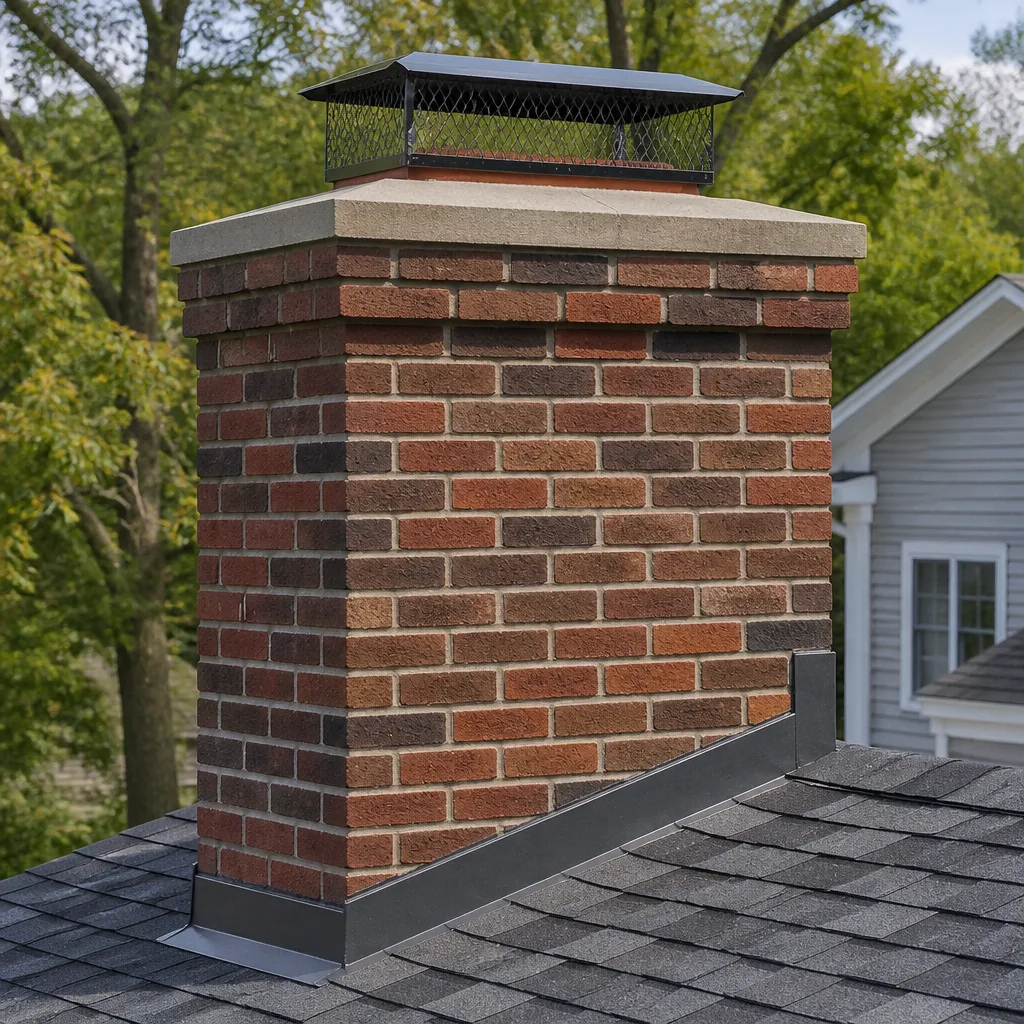 Caps & crowns
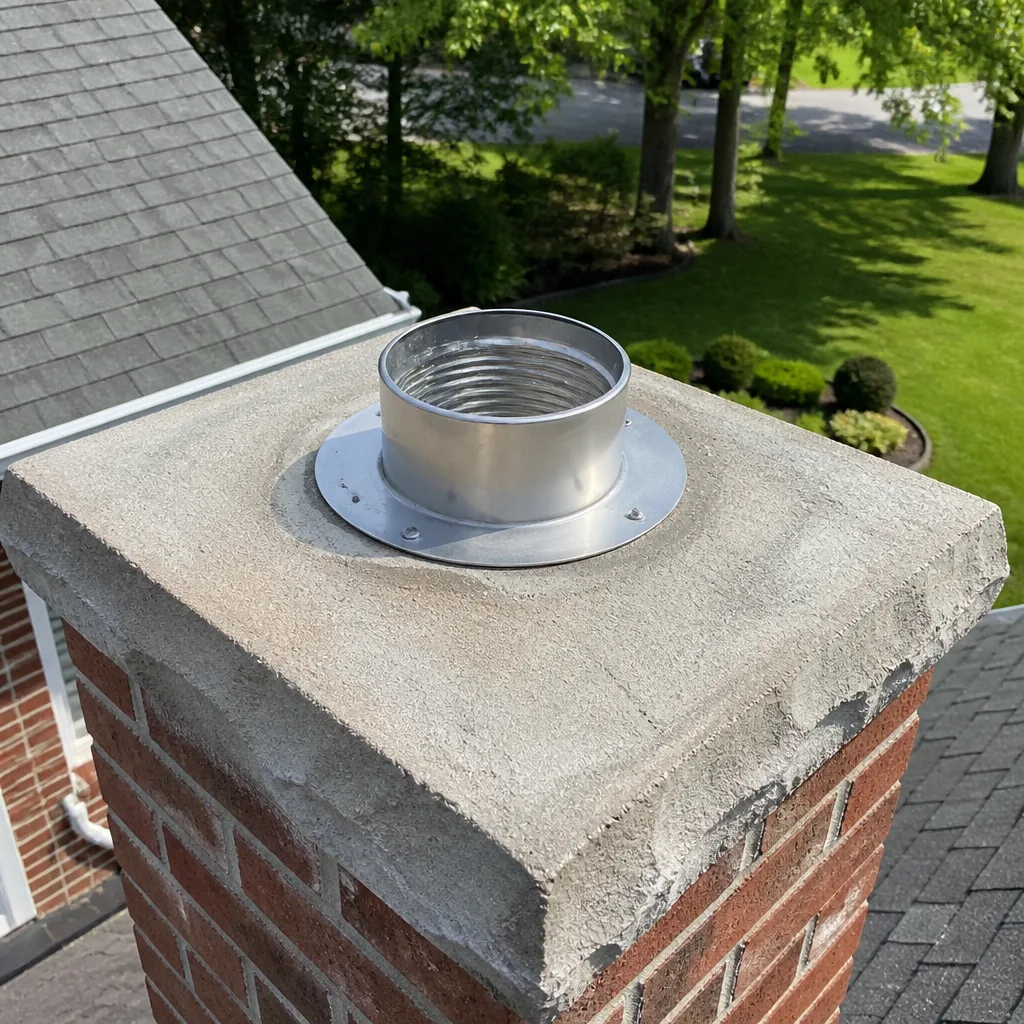 Flue relining
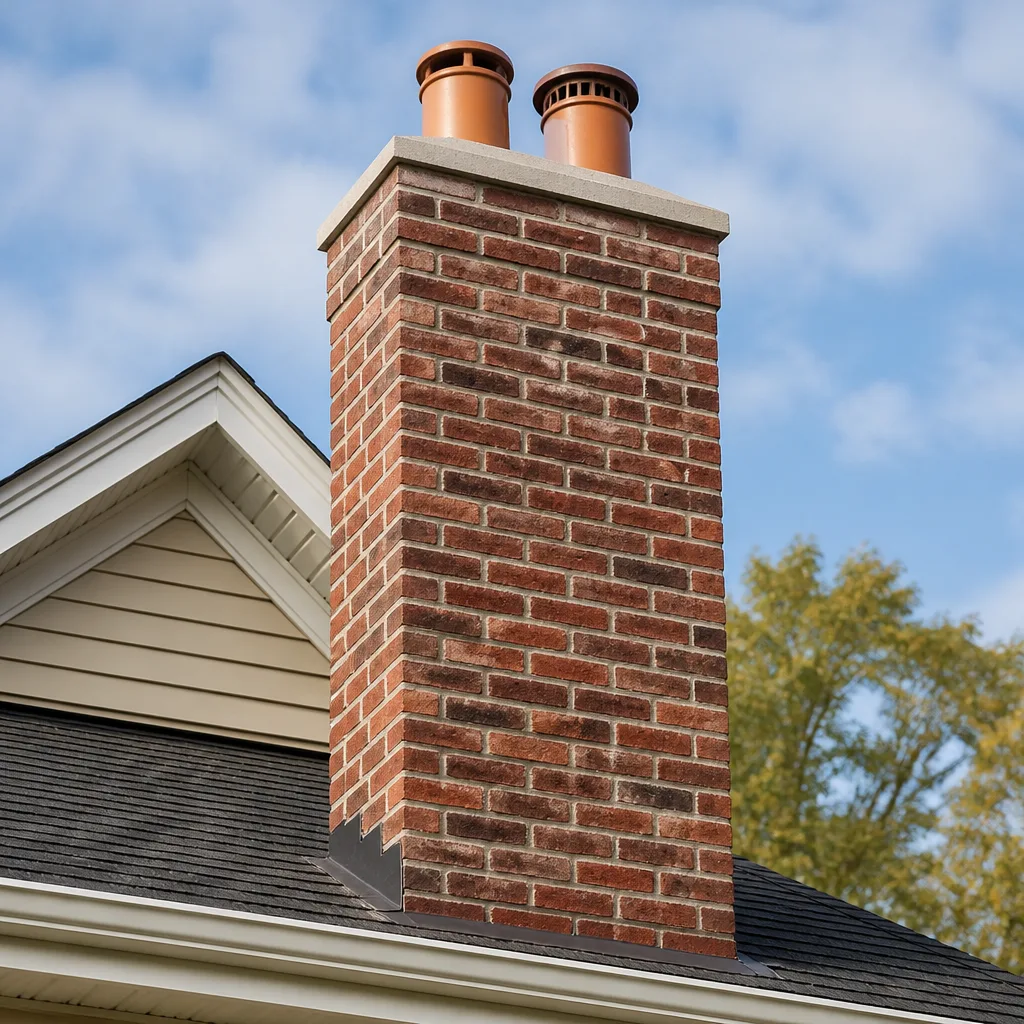 Masonry repair
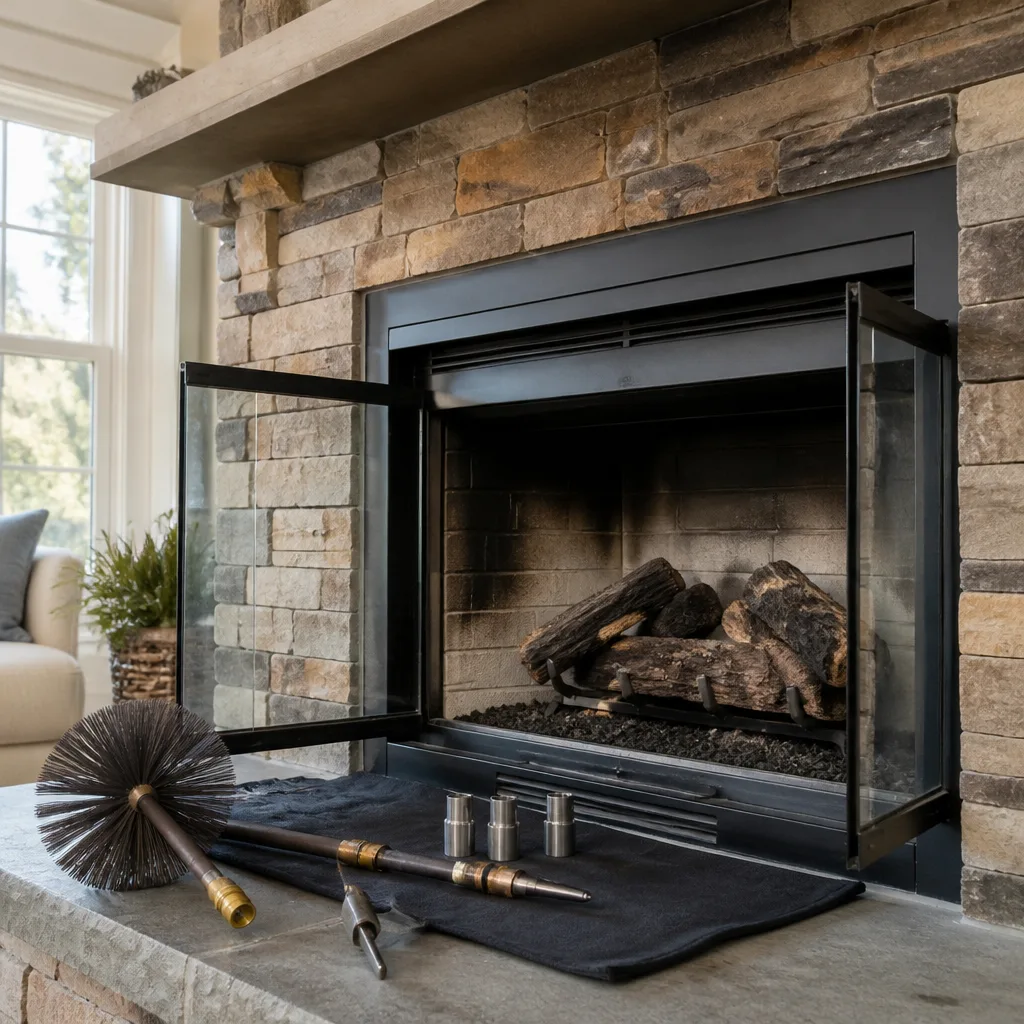 Gas fireplace service
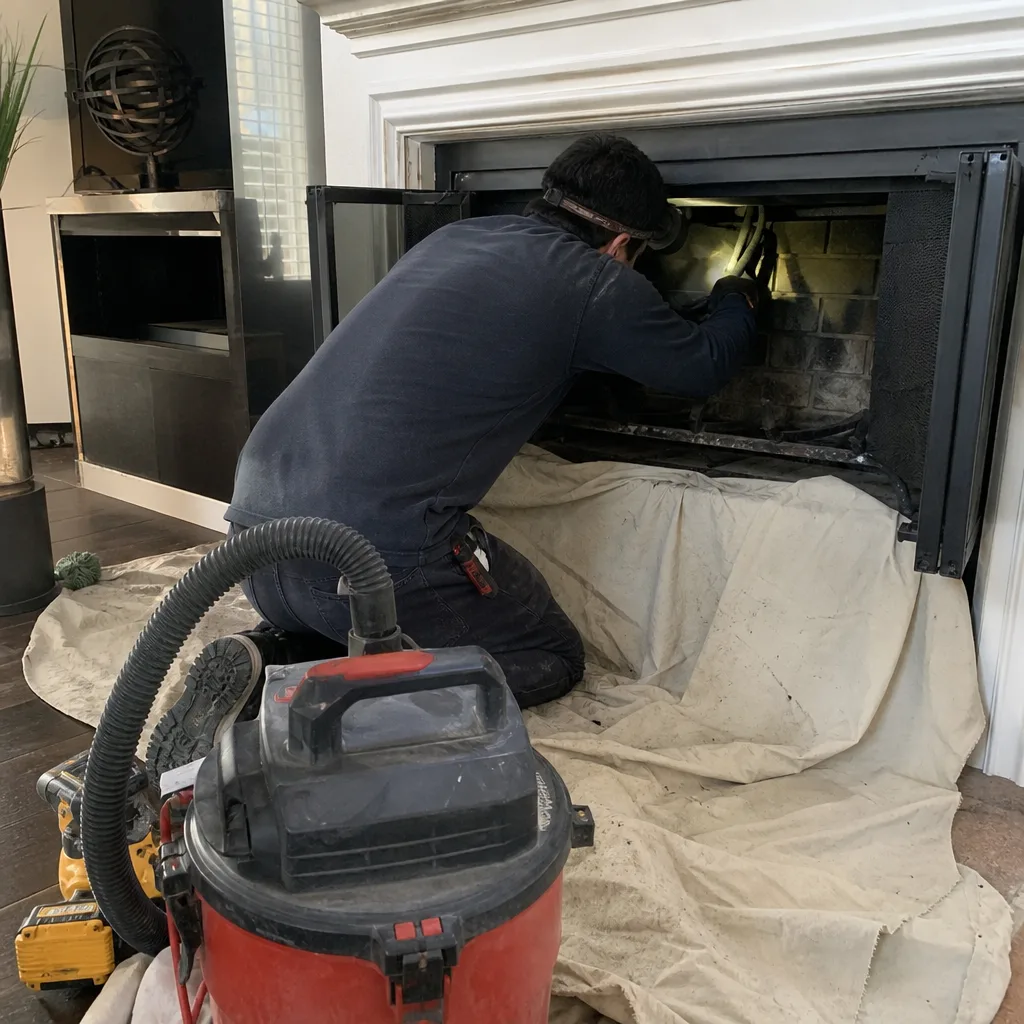
Level 1 sweep and inspection to the NFPA 211 annual standard - flue, crown, cap, and flashing checked and photographed
Chimney sweep logs do not sweep chimneys. They loosen some creosote - which then falls where a brush and vacuum still have to collect it.
Chimney Cleaning Warning Signs: A Visalia Homeowner’s Reference Guide
Most chimney problems announce themselves long before anything goes wrong. The catch is that the signals are quiet, and most homeowners don’t recognize them. A faint smell in August. A little rust in the firebox. Cracks in the mortar that look like ordinary wear. We’ve learned in our years of sweeping and inspecting chimneys around Visalia that by the time someone calls about a smoky fireplace or a draft that won’t draw, the chimney has usually been telling them something for months. This guide is a field key to those signals: what each one means, which ones allow you to keep using your fireplace on a scheduled inspection, and which ones mean shut it down tonight. Read it and you’ll know your own chimney better than most people ever do.
Quick Answer
Chimney cleaning warning signs fall into three groups: what you smell (sharp, musty, or chemical odors pointing to creosote stages), what you see inside the firebox (spalling brick, white staining, rust, draft problems), and what you see outside from the ground (staining, failing mortar joints, damaged caps). A strong campfire smell inside a closed-up Visalia home in summer is the single clearest sign your flue needs professional cleaning before fall.
Styles & brands we work with
- Sweep & inspection
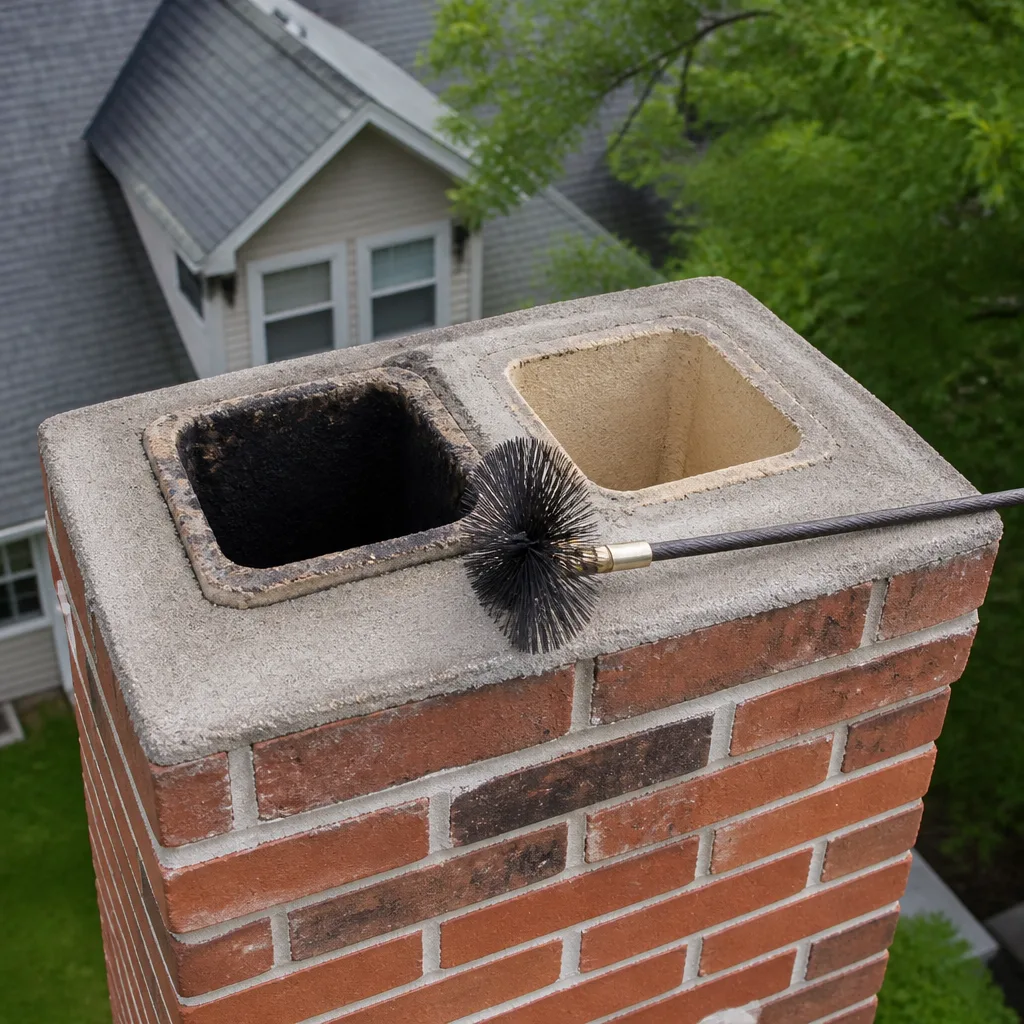
- Caps & crowns
- Flue relining
- Masonry repair
- Gas fireplace service
Table of Contents
- 1. What Smell Tells You About Your Chimney
- 2. Reading Creosote by Its Odor Profile
- 3. Signs You Can See Inside the Firebox
- 4. Exterior Warning Signs You Can Check From the Ground
- 5. Two-Tier Triage: Keep Using It or Shut It Down
- 6. How to Describe Warning Signs When You Call
- 7. Why Visalia’s Climate and Housing Change the Picture
- 8. A Simple Seasonal Warning-Sign Checklist
1. What Smell Tells You About Your Chimney
Smell is the most underused warning sign a homeowner has. Your nose is a reliable sensor that works without tools, without a ladder, and without a technician, and it deserves more attention than it usually gets. A chimney that smells like a campfire in the middle of a July afternoon, with no fire in the firebox and the windows shut against the heat, is telling you something specific: leftover creosote is baking in the summer heat and sending vapor back down the flue and into the house.
That backward flow is called a reversed draft, and it happens more easily than people expect. A flue that’s full of creosote holds onto smell, and when outdoor air is hot and heavy, the flue can’t push that smell up and out the way it does in winter. The same thing occurs on a windy summer day near the foothills around Visalia, when a chimney cap is damaged or missing and gusts find their way down the flue.
Pay attention to three kinds of odor and what each points toward:
- Seasonal campfire odor in warm weather: creosote residue parked in the flue. It’s the most common warning smell we hear about, and it usually means cleaning is due.
- Musty or damp odor: moisture has found its way in, often through a missing cap, a failed crown, or a clogged flue that traps humid air.
- Sharp, fuel-like odor during use: something is off with combustion or draft. Shut the fire down and get it inspected before lighting another.
Odor alone rarely means stop using the chimney immediately, but it always means book an inspection, and soon. If the smell is present with a fire burning, treat it differently. That’s covered in the triage section below.
2. Reading Creosote by Its Odor Profile
Creosote doesn’t arrive all at once. It builds up in stages, and each stage smells different, which gives you a way to triage your own chimney before you pick up the phone. Understanding the difference matters for two reasons: the more advanced stages are the ones that matter for fire safety, and knowing which stage you’re likely at helps a technician plan the visit.
Stage 1 creosote is the thin, dry soot layer that coats the flue after normal burning. It’s come off easily with a standard brush, and its smell is acrid and sharp, like the smoke itself. Most chimneys here in the Valley are at Stage 1 for a season or two between cleanings.
Stage 2 creosote is the crunchy, flaky, sometimes glossy deposit that forms after repeated burns. Its smell is musty, somewhere close to wet asphalt or an old garage, and it tends to linger even in warm weather. Stage 2 doesn’t always look dramatic through the firebox, but it’s thick enough that a brush can’t always clear it in one pass. Creosote at Stage 2 or a combination of stages is what our team most often finds on overdue flues in and around downtown Visalia.
Stage 3 creosote is the hard, tarlike glaze that’s cooked onto the flue walls. The smell is chemical, almost fuel-like, and it can be noticeable from inside the house. Stage 3 is the most serious deposit, and it’s the reason chimney fires start. It also requires a professional to remove it properly.
If your odor lands in the Stage 2 or Stage 3 range, don’t put a fire in it until someone has looked. That’s the line between “schedule a cleaning” and “get a professional in the flue.”
3. Signs You Can See Inside the Firebox
You don’t need a flashlight and a ladder to get useful information. With the firebox door open and a good light, you can spot several warning signs on your own. Each one points to a different underlying issue, so it’s worth knowing what you’re looking at.
- Spalling firebrick: the brick surface flaking, chipping, or crumbling away. Firebrick is what protects the steel and masonry behind it. When it spalls, it’s usually seen after a chimney fire or after repeated overheating.
- White staining or efflorescence: a powdery white haze on the firebox walls or the chimney’s interior face. It’s a sign of moisture moving through masonry and leaving salts behind. On an interior firebox, that pattern usually points back to a failed crown, a missing cap, or a leak higher up.
- Rust streaks: brown or orange streaks on the firebox metal or down the face of the chimney. Rust on the inside of the firebox tells you water is getting in, and condensation alone doesn’t usually leave streaks that heavy.
- Draft inconsistency: smoke rolling out of the firebox when you first light a fire, or a fire that smokes on damp days but draws well on dry ones. Draft problems can come from a clogged flue, a blocked cap, or a flue that’s shaped wrong for the appliance.
- Pilot lights and gas inserts: skip the firebox here and check the insert itself. A pilot that goes out or burns erratically during heating season can be a sign that the venting is obstructed, that the fresh-air intake is blocked, or that the insert’s flue is no longer matched to the appliance. Gas appliances are covered below with the larger safety rule, but as a warning sign it’s worth noting.
Any of these is worth mentioning when you call. None of them should make you start taking things apart on your own. The firebox side of a chimney is where warning signs are easiest to spot and where it’s also easiest to do damage trying to fix them yourself.
4. Exterior Warning Signs You Can Check From the Ground
Not every warning sign requires a ladder. A set of binoculars and a few minutes walked around the house will reveal most of what a technician would look for on the exterior. These are the signs we recommend every Visalia homeowner check a few times a year, especially after the first heavy rain of the season.
- Staining on the chimney face below the crown: dark vertical streaks or white-gray powdery lines running down the masonry. Both point to water getting past the crown or the cap and finding its way into the brick. Dark staining can also signal that the chimney is a chronic smoker, which is its own problem.
- Deteriorating mortar joints on the stack: the mortar between bricks looking recessed, cracked, sandy, or missing. Mortar joints that fail expose brick to moisture, and once that starts, it rarely stops on its own. Look for a “stair-step” pattern of dark or powdery joints across the upper chimney.
- Bent or missing chimney caps: a cap that’s tipped, rusted through, or gone entirely. Caps keep rain, birds, and squirrels out of the flue. In our experience, a missing cap in Visalia leads to internal moisture almost immediately during the first rain.
- Debris in or on the cap or crown: leaves, twigs, or nests visible at the top opening. Caps and crowns get clogged, and a clogged flue is a draft problem waiting to happen.
- A growing bird population around the chimney: not on our normal list, but worth mentioning. Birds around the top of a chimney in spring often means nesting inside a missing or broken cap. It’s a small thing to notice, and it can save you a surprise.
All of these can be seen from ground level. If the chimney has a masonry pattern that shows obvious issues at the top, that’s a strong sign the lower section will have some too, and the inspection is worth booking sooner rather than later.
5. Two-Tier Triage: Keep Using It or Shut It Down
The most useful thing this guide can give you is a clear decision rule, and the rule has two tiers. Most warning signs are Tier 1: they mean schedule an inspection and don’t wait too long. A small set of signs are Tier 2: they mean stop using the chimney now and don’t light another fire until a professional has inspected it. The distinction matters, and it’s the same two-tier system we use when triaging calls at Chimney Sweep Visalia (well, that’s the shop). Let’s keep this practical.
Tier 1: Keep using it, schedule an inspection
- Campfire smell in warm weather, no fire burning.
- Odor in the Stage 1 or Stage 2 range.
- Mild white staining or efflorescence on the exterior.
- Mortar joints that look weathered but aren’t cracked through.
- A cap that’s rusted but intact.
- Creosote visible in the flue but not near the spark screen.
These mean book a visit and keep the fireplace in normal use until the technician sees it. It’s not an emergency, but it’s not “next year” either.
Tier 2: Shut it down and get it inspected now
- Any sign of a chimney fire: a loud roar or popping sound from the flue during use, or a hot smell of tars or creosote. Close the firebox doors, shut off the air supply, and get everyone outdoors and call the fire department.
- Spalling or crumbling firebrick, or cracks you can see through into the masonry.
- Glossy, hard Stage 3 creosote on the flue walls.
- Smoke rolling out of the firebox with the damper open and the flue warm.
- A gas insert that smells like exhaust inside the room, or a pilot that won’t stay lit.
- Rust or water staining in the firebox that’s more than a light streak.
- A gap between the chimney and the house, or masonry that looks loose from the ground.
Tier 2 signs mean no more fires in that chimney until a certified or experienced technician has looked at it. It’s not a scare tactic. It’s the same rule we apply to our own work.
6. How to Describe Warning Signs When You Call
The quality of the first phone call shapes the quality of the visit. If the person booking your appointment knows what warning signs you’re seeing, the shop can send the right person with the right tools, and can give you a somewhat realistic scope on cost before the technician arrives. If you make a vague call (“my chimney’s smoky, come look”), the tech has to walk in blind.
Here’s a simple way to structure the call:
- Name the sign, not the diagnosis. “My fireplace smells like a campfire in July with no fire lit” is more useful than “it’s dirty.” “The white powder is on the chimney face” is more useful than “it’s crumbling.”
- Say where you see it. In the firebox? On the exterior wall of the chimney? From the ground at the top?
- Say how long you’ve seen it. First noticed this week? Every summer? Growing over a few seasons?
- Describe your setup. Wood-burning fireplace, gas insert, older masonry chimney, new construction. And whether there’s a cap on the chimney.
- Mention any Tier 2 signs. That’s the line between “schedule a sweep” and “get this on the schedule today.”
The more specific your description, the more realistic our estimate. That’s why the reference guide exists: so you can describe what you’re seeing in the same words we use.
When you call to arrange a chimney sweep, tell us what sign brought you in. That one detail changes the booking.
7. Why Visalia’s Climate and Housing Change the Picture
Visalia’s climate shapes chimney problems in ways that a guide written for a colder state won’t cover. Winters here are mild, and that matters. Heating seasons are short and gentle, which means many homeowners skip a cleaning because “the fireplace only gets used a few weeks a year.” What actually happens in our experience is that a small number of shoulder-season fires plus a summer of hot, humid air creates the perfect creosote-and-odor pattern. The firebox never gets enough winter use to burn off what’s already deposited, and the summer heat sends it back into the house.
The housing stock adds another layer. Visalia has a wide mix of older masonry chimneys and newer homes with gas inserts or pre-fabricated flues, and each has its own set of warning signs. Older masonry chimneys are more likely to show mortar and crown failures. Newer gas setups are more likely to show up as draft or venting issues than as classic creosote. If you’re in one of the older neighborhoods near downtown Visalia or in one of the established subdivisions north of Murray, masonry chimney signs are more likely to show up in the list you personally check.
The seasonality is real, too. Homes in and around Visalia tend to heat up fast in spring, and the smell of creosote in the home is a common first signal. If you’ve noticed it, the read is simple: the flue is loaded with material, and the summer heat is vaporizing it. The fix is a sweep, scheduled and done.
Rain is the other local factor. Visalia’s rainy months are limited, but when it comes, a missing or rusted cap lets water into a flue that’s been sitting dry for months. That’s where staining and rust starts. And once interior moisture takes hold, repair gets more involved and more costly. A cap, sourced correctly, prevents most of that. That’s why the shops we work with keep caps and venting components from product lines like Gelco and Famco in their catalog, and why we ask about the cap on every call.
8. A Simple Seasonal Warning-Sign Checklist
Here’s the checklist we suggest for Visalia homeowners. Run through it once at the start of the heating season and once in the middle of summer, when the smell is easiest to notice.
- Smell test, summer. Walk into the room with the fireplace, close the windows, and breathe. Any campfire, musty, or chemical smell means a sweep is overdue.
- Firebox visual, no tools. Look for spalling brick, white staining, rust streaks, or cracks. Note any draft problems on the next fire.
- Exterior walkaround, from the ground. Check the chimney face for staining below the crown, look at the mortar joints, and check the cap.
- Cap check. Is the cap present, rusted, bent, or missing? A missing cap is worth mentioning on the call.
- Gas insert check. Confirm the pilot lights, the insert vents normally, and there are no exhaust smells inside the room.
- Call and describe. If anything from steps 1-5 is positive, call and describe the sign, the location, and the timing.
That’s the whole system. Simple, repeatable, and it works whether you’re in a 1940s bungalow near downtown or a newer home in a gated community outside Visalia.
Common Mistakes to Avoid
- Assuming mild winters mean low priority. The combination of light use and hot summers makes odor and creosote accumulation more common in Visalia, not less. A quiet winter just means the buildup wasn’t burned off.
- Confusing a smoky fireplace for a drafty one. Smoke rolling out of the firebox is a sign, not a nuisance. It’s worth a call to schedule an inspection, not a reason to open more windows.
- Ignoring odor in the summer. The campfire smell in July is not a minor thing, and it’s not the house’s A/C. It’s the flue telling you it needs a sweep.
- Waiting for a cap to fall off before replacing it. Rusted and bent caps are signs of water intrusion before they’re signs of disappearance.
- Treating a chemical or exhaust smell around a gas insert as normal. It isn’t. Shut the insert down and call.
- Describing the symptom as a diagnosis. “It’s smoky” is less useful on a call than “smoke rolls into the room from the firebox on damp days.”
- Telling yourself the masons will deal with the crown. Chimney-only specialists see the whole system. General handymen and HVAC contractors often miss exterior crown and mortar signs entirely.
See the difference
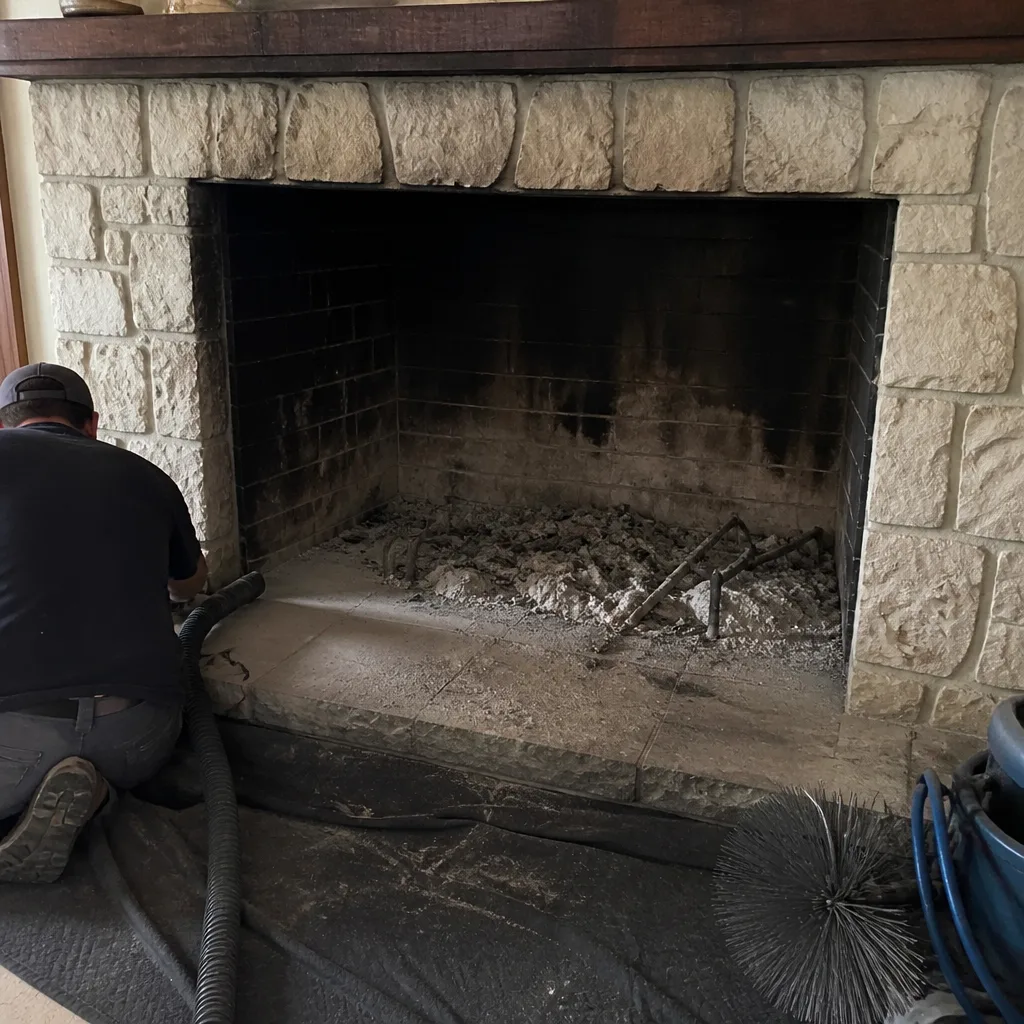 Before
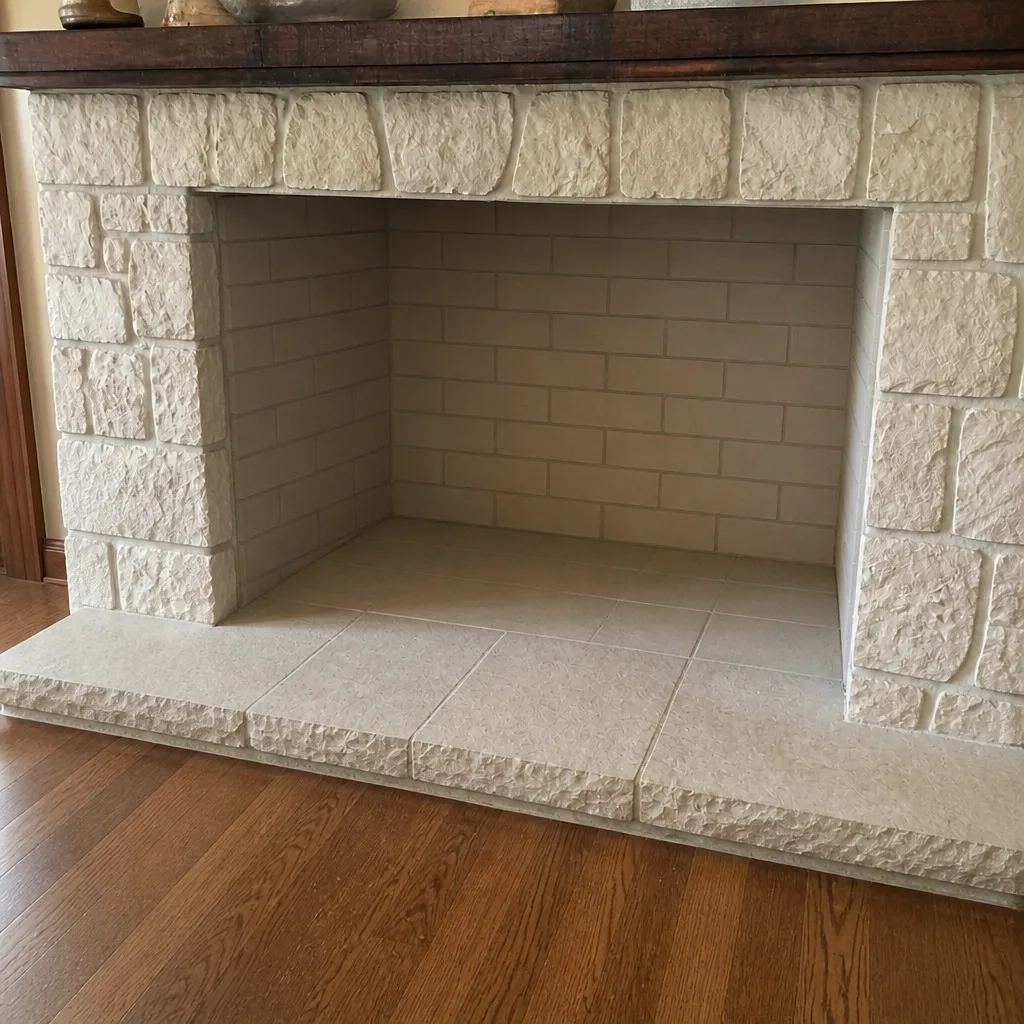 After
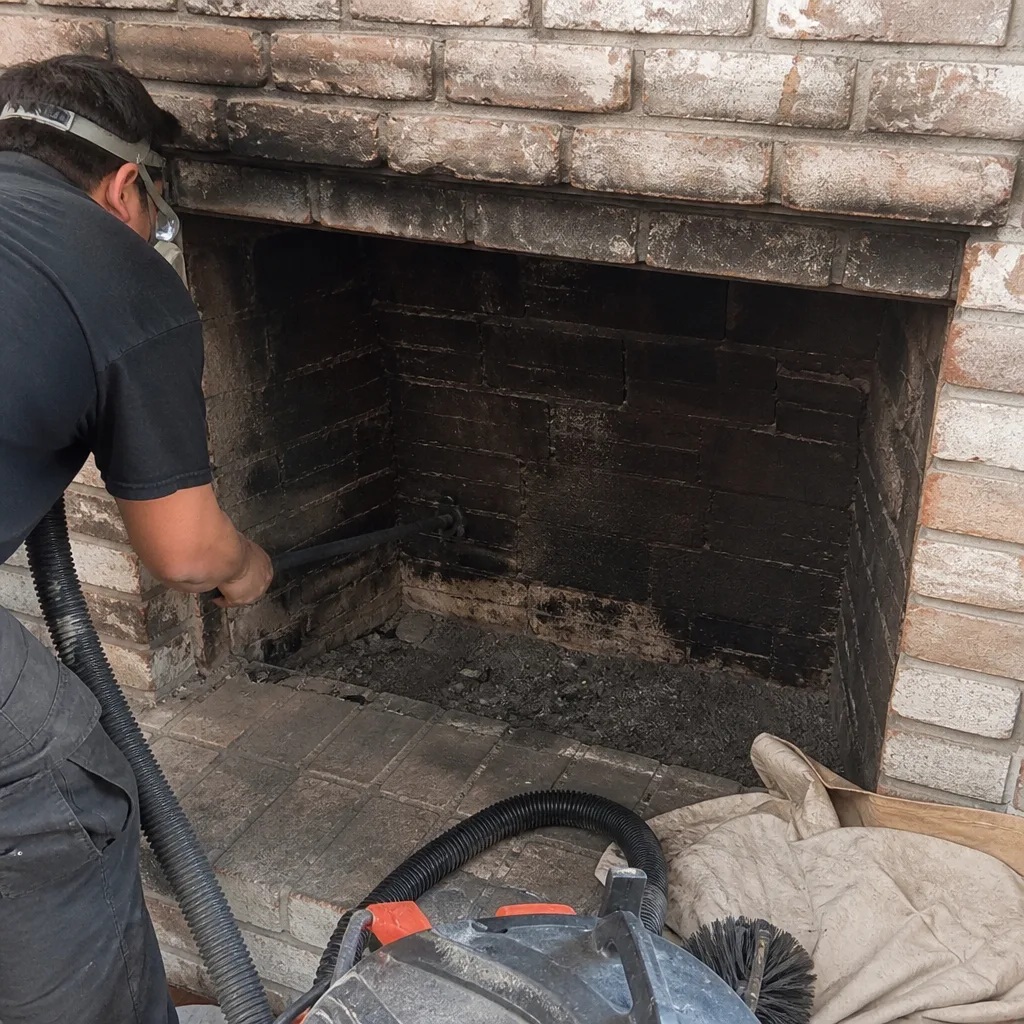 Before
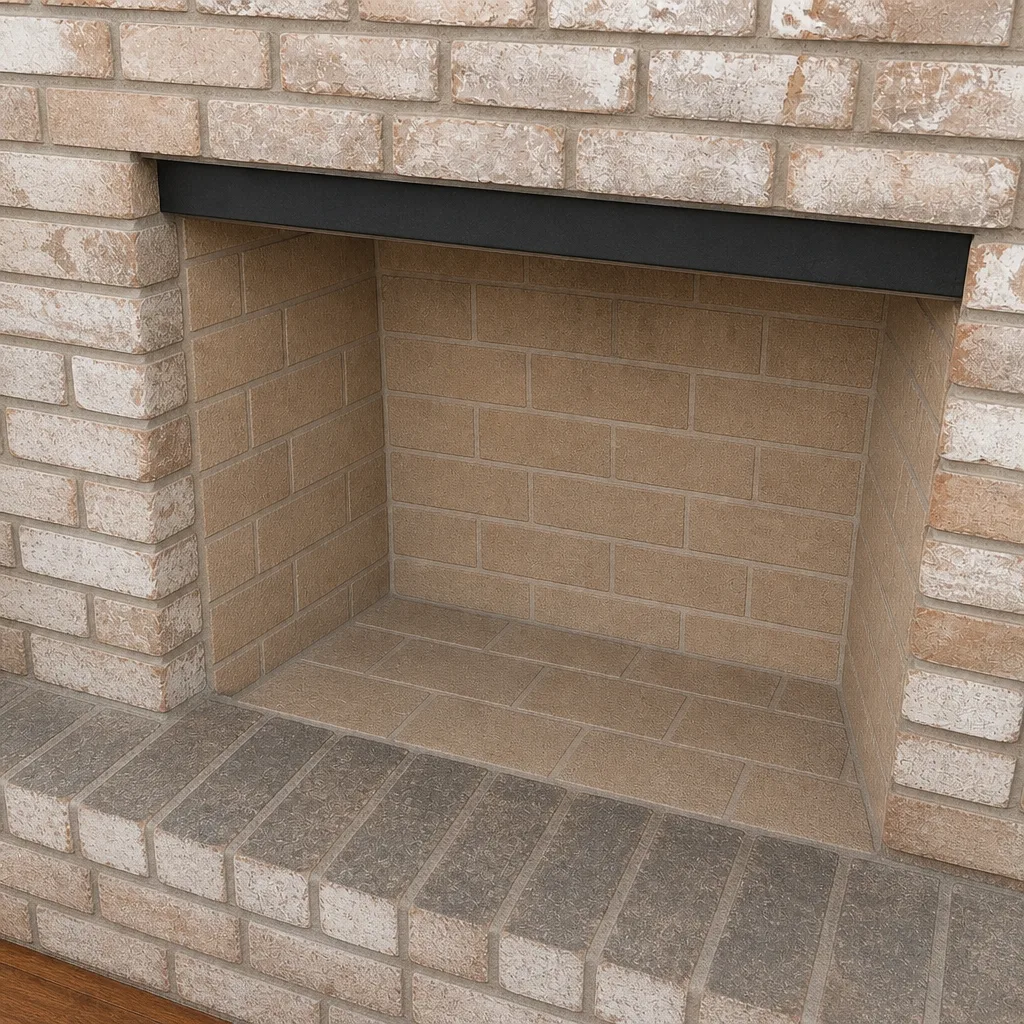 After
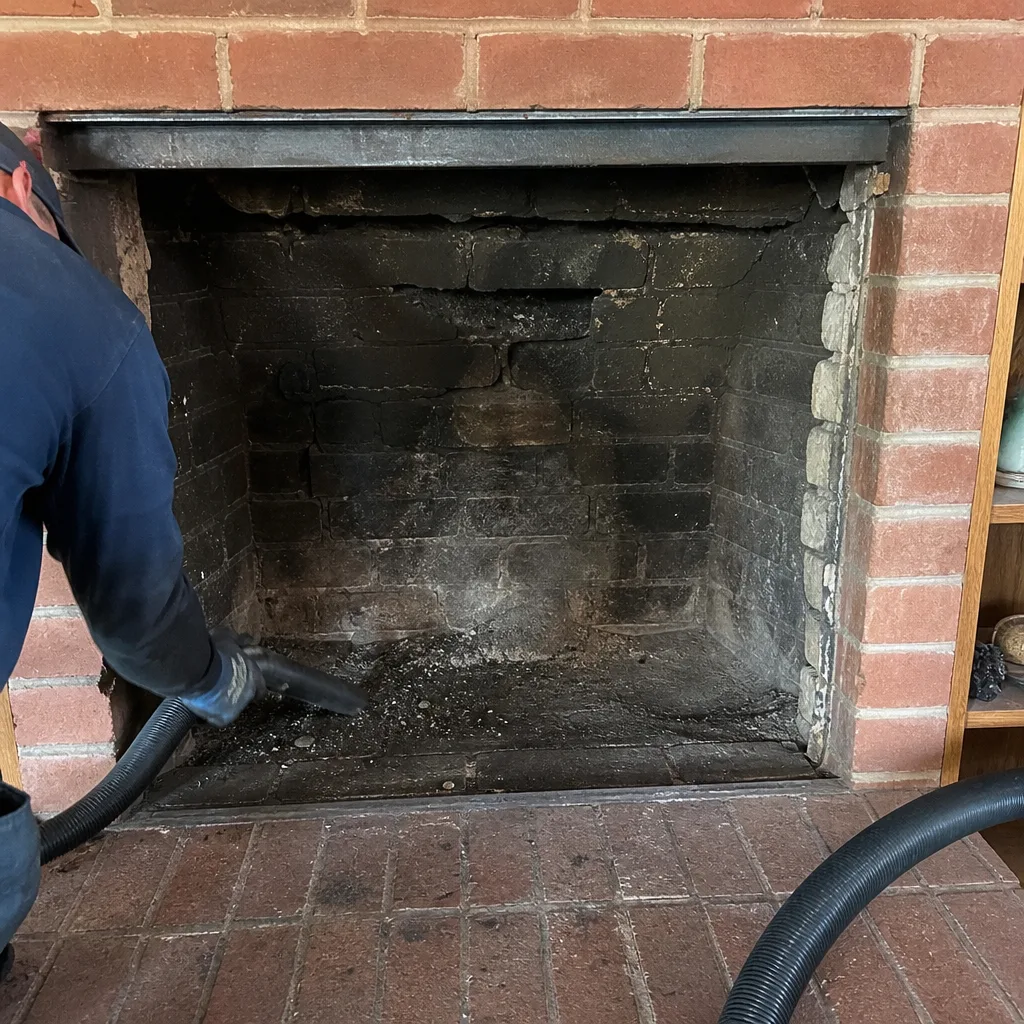 Before
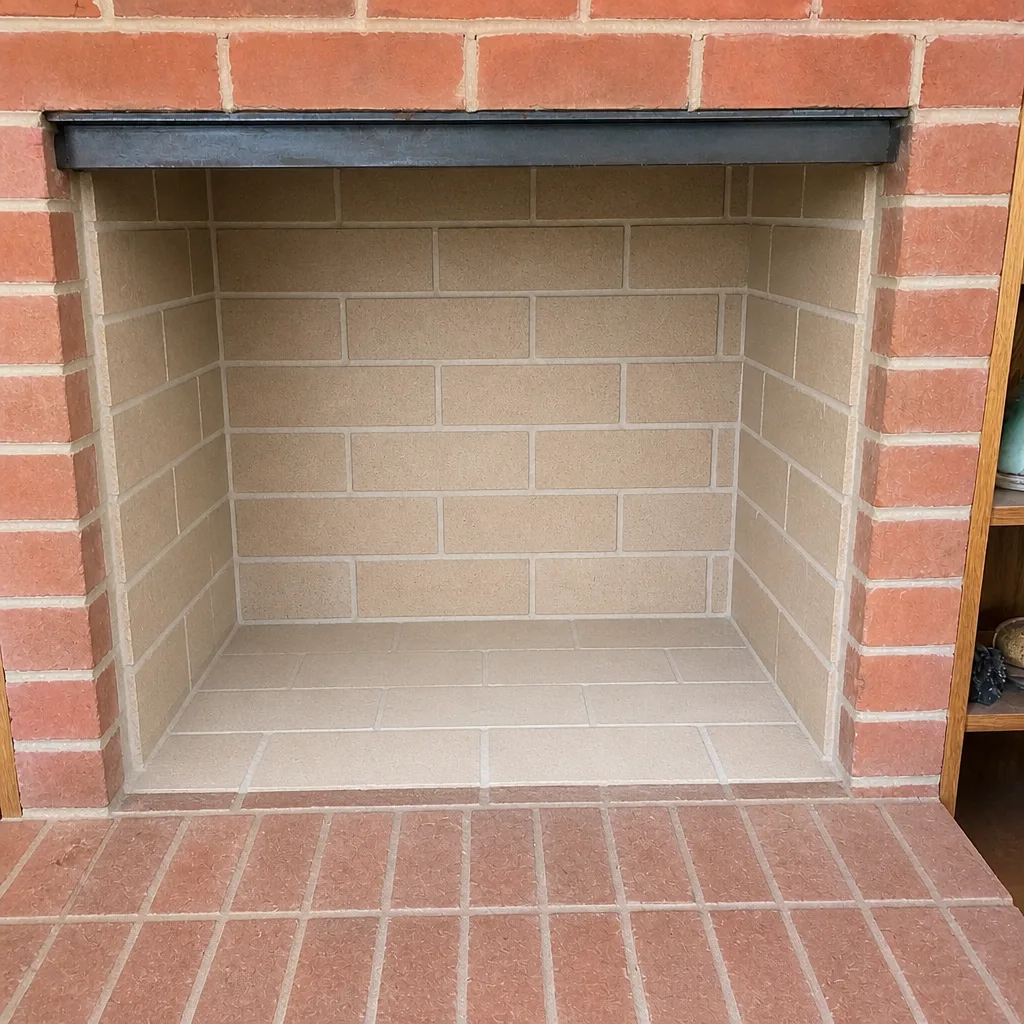 After
When to Call a Professional
Call when any Tier 2 sign from the triage section is present. That’s the short answer. For Tier 1 signs, call and book an inspection soon. And for the rest of the time, call us once a year for a sweep and a visual inspection, whether or not you’ve noticed anything. The inspection is what catches the crown failure, the liner crack, or the early spalling before it becomes a repair.
In our experience, the most reliable warning sign is the one you haven’t looked for. That’s why a routine inspection is worth more than any checklist in a single season. Chimney Sweep Visalia offers free estimates in Visalia. Call (888) 861-2541 and describe what you’re seeing. We answer 24/7, and fast dispatch runs 7am-7pm.
Frequently Asked Questions
Yearly for most Visalia homes with a wood-burning fireplace, and more often if you burn frequently or see any Stage 2 or Stage 3 creosote signs. Gas inserts still need an annual inspection even though they don’t produce creosote the way wood does. Call (888) 861-2541 for an exact quote. Estimates are free.
It usually means creosote is sitting in the flue and hot summer air is baking it and pushing that smell back into the house. That’s a sign to book a sweep before fall. Call (888) 861-2541 to arrange the visit; estimates are free.
Yes for Tier 1 signs like odor, mild staining, or weathered mortar, as long as you schedule an inspection. No for Tier 2 signs like spalling firebrick, Stage 3 creosote, smoke rolling from the firebox, or a gas insert that smells like exhaust. Those mean no fires until a technician has seen the chimney. Call (888) 861-2541 to get it on the schedule; estimates are free.
Chimney sweep pricing in Visalia is set per job by the written estimate after the technician sees the flue. We quote the price up front, before any work begins, so nothing is a surprise. Call (888) 861-2541 for an exact quote. Estimates are free.
Burning it off doesn’t work for Stage 2 or Stage 3 creosote, and it can make the problem worse. A professional sweep is the only reliable way to clear a loaded flue. Call (888) 861-2541 to book an inspection; estimates are free.
Describe it when you call and let the technician decide. We’d rather hear about something small than miss a sign that mattered. Call (888) 861-2541 and tell us what you see; estimates are free.
The Bottom Line
Chimney warning signs are quiet but consistent: smell, visible detail in the firebox, and what you can see from the ground. The two-tier system is the core takeaway. Tier 1 signs mean schedule an inspection and keep the chimney in use. Tier 2 signs mean shut it down and get a professional in. The rest of the reference guide exists to help you describe what you’re seeing clearly enough that the person on the phone knows exactly what to send, and that puts you in control of the cost as well as the safety.
If you’ve noticed any of the signs in this guide, don’t wait for the next season. Call (888) 861-2541 for a free estimate. We answer 24/7. Fast dispatch from 7am to 7pm.
Written by the team at Chimney Sweep Visalia.