
Last updated November 15, 2026
 Sweep & inspection
 Caps & crowns
 Flue relining
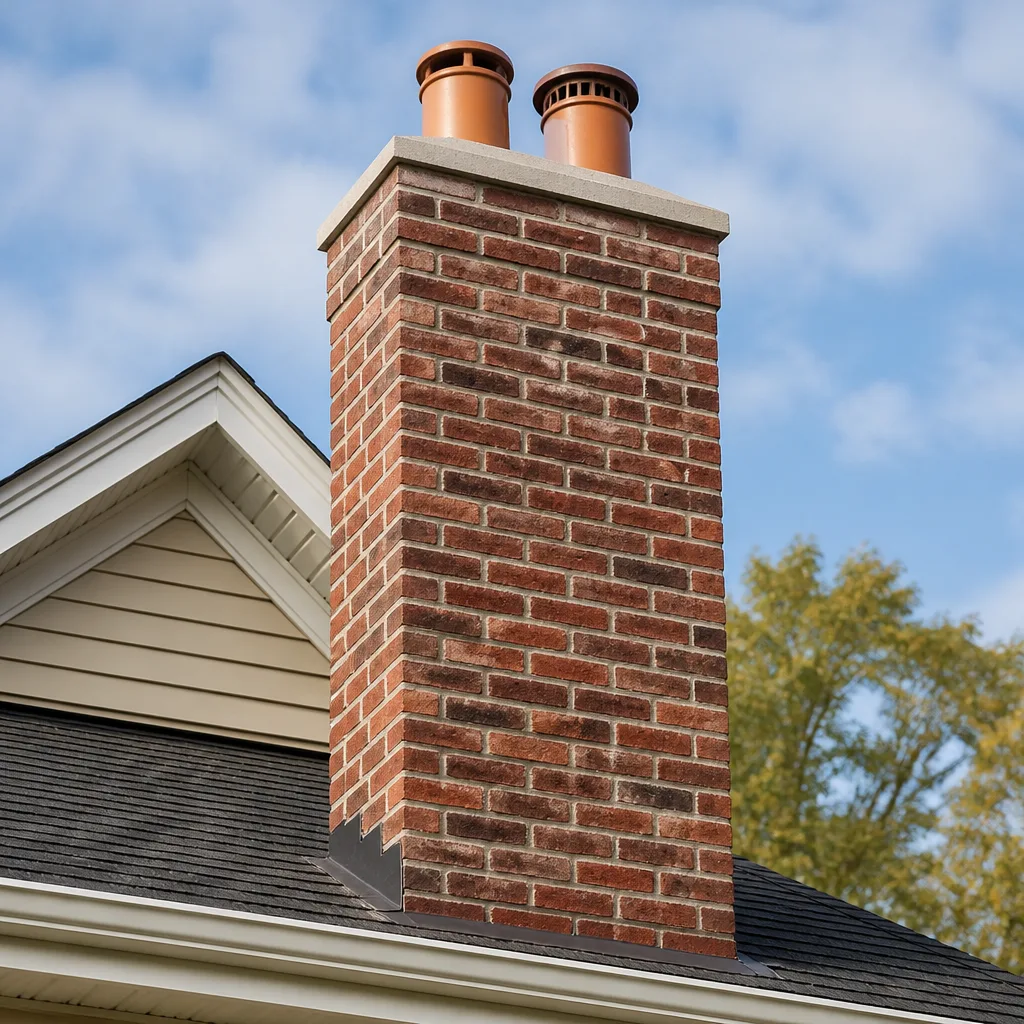 Masonry repair
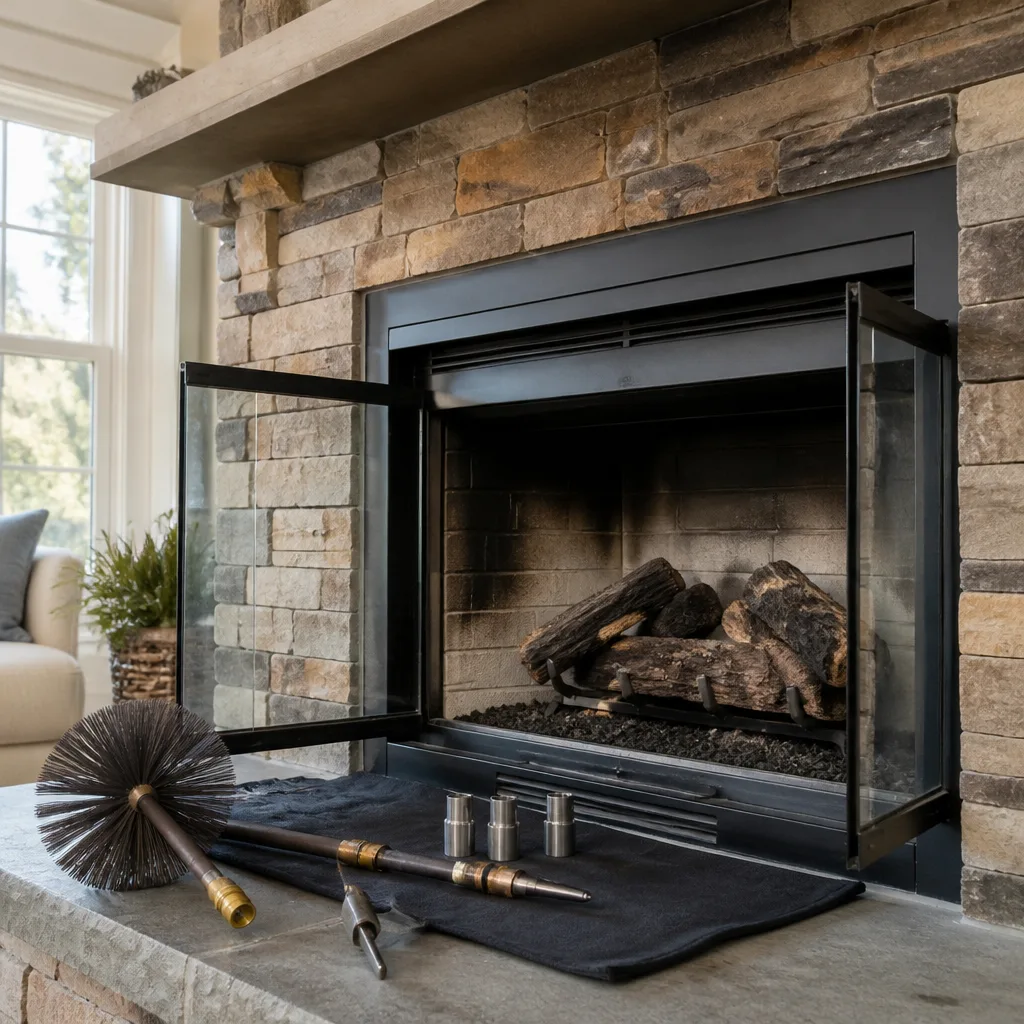 Gas fireplace service
Level 1 sweep and inspection to the NFPA 211 annual standard - flue, crown, cap, and flashing checked and photographed
Chimney sweep logs do not sweep chimneys. They loosen some creosote - which then falls where a brush and vacuum still have to collect it.
Chimney Sweep Maintenance Checklist for Visalia Homeowners
Most homeowners think a sweep receipt is proof of maintenance. It isn’t. When an insurance adjuster reviews a chimney fire claim, a receipt that says “swept” tells them almost nothing about the condition of the flue, the liner, or the mortar joints at the time of the fire. What they want is a documented history: inspection reports with dates, findings, and the credentials of whoever did the work. A sweep receipt without an inspection record attached is a receipt for cleaning, not a record of maintenance.
This guide gives Visalia homeowners a task-by-task checklist organized around three roles: what you can check yourself, what a sweep handles, and what only a qualified inspector should assess. By the end you’ll know how to log each visit, which red-flag findings require repair before the fireplace runs again, and why the difference between a maintenance sweep and a diagnostic inspection matters more than most people realize.
Quick Answer
A chimney maintenance checklist for Visalia homeowners should cover three layers of work: a homeowner visual check done monthly and after wind events, an annual professional sweep matched to how much you burn, and a diagnostic inspection at the level your situation requires under NFPA 211. Log every visit with the date, the technician’s CSIA credentials, and the specific findings, because a documented record is what protects an insurance claim and a pre-sale disclosure.
Styles & brands we work with
- Sweep & inspection
- Caps & crowns
- Flue relining
- Masonry repair
- Gas fireplace service
Table of Contents
- Why a Documented Record Matters More Than a Receipt
- The Checklist by Who Performs the Task
- Homeowner Visual Checks: What You Can Safely Assess
- Maintenance Sweep vs. Diagnostic Inspection
- Visalia-Specific Items: Wind, Summer Heat, Rainy Season
- How to Log Each Inspection to Build a Defensible Record
- Red-Flag Findings That Require Repair Before Operation
- A Seasonal Calendar for Visalia Chimneys
Why a Documented Record Matters More Than a Receipt
Insurance claims for chimney fires turn on evidence. Adjusters increasingly ask for a maintenance history, and the request is specific: they want to see that the chimney was inspected, not just swept, and that the condition of the flue and its components was assessed and noted. A carbon-copy receipt with a date does not answer that question.
Think about what a sweep actually removes. Creosote and soot are gone, which reduces fire risk, but the flue liner, the mortar joints, the crown, and the flashing are not evaluated by cleaning alone. A maintenance record that only documents cleaning leaves a gap exactly where claims get contested: the condition of the system itself.
There’s a second reason to keep records, and it has nothing to do with insurance. When you sell a house in Visalia, a buyer’s inspector will look at the chimney. If you can hand over a folder of dated inspection reports from a qualified professional, the conversation about the chimney is over before it starts. If you can’t, the buyer has no way to know what they’re inheriting, and that uncertainty usually gets priced into the negotiation.
And a third: small deterioration points get caught before they turn into expensive repairs. A hairline crack in a mortar joint is a cheap fix. The same crack after two rainy seasons of water intrusion into the masonry is a rebuild. The record is what makes the pattern visible over time.
What a useful record contains is covered in detail below, but the short version is this: date, what was done, who did it, their credentials, and what they found. We’ll walk through each piece.
The Checklist by Who Performs the Task
The most common confusion about chimney maintenance is scope. Homeowners are told to “check the chimney” without any explanation of what checking means at each level. The checklist below splits the work into three roles so there’s no guessing.
Role 1: The homeowner
You can safely assess a surprising amount from the ground and from inside the house. What you’re looking for is change: anything that looks different from last month. These are visual observations only, never hands-on work inside the flue.
- Look at the cap and spark screen from the ground. Is the screen intact? Is the cap sitting straight, or has it shifted?
- Check the firebox for loose brick, crumbling mortar, or a cracked back wall.
- Open the damper and confirm it moves freely and seals when closed.
- Look up the flue from the firebox with a flashlight. You’re checking for visible creosote buildup and for obstructions, not doing an inspection.
- Note any staining on the chimney breast inside the house or on the exterior masonry.
- Confirm the smoke and carbon monoxide detectors near the fireplace have working batteries.
Role 2: The sweep technician
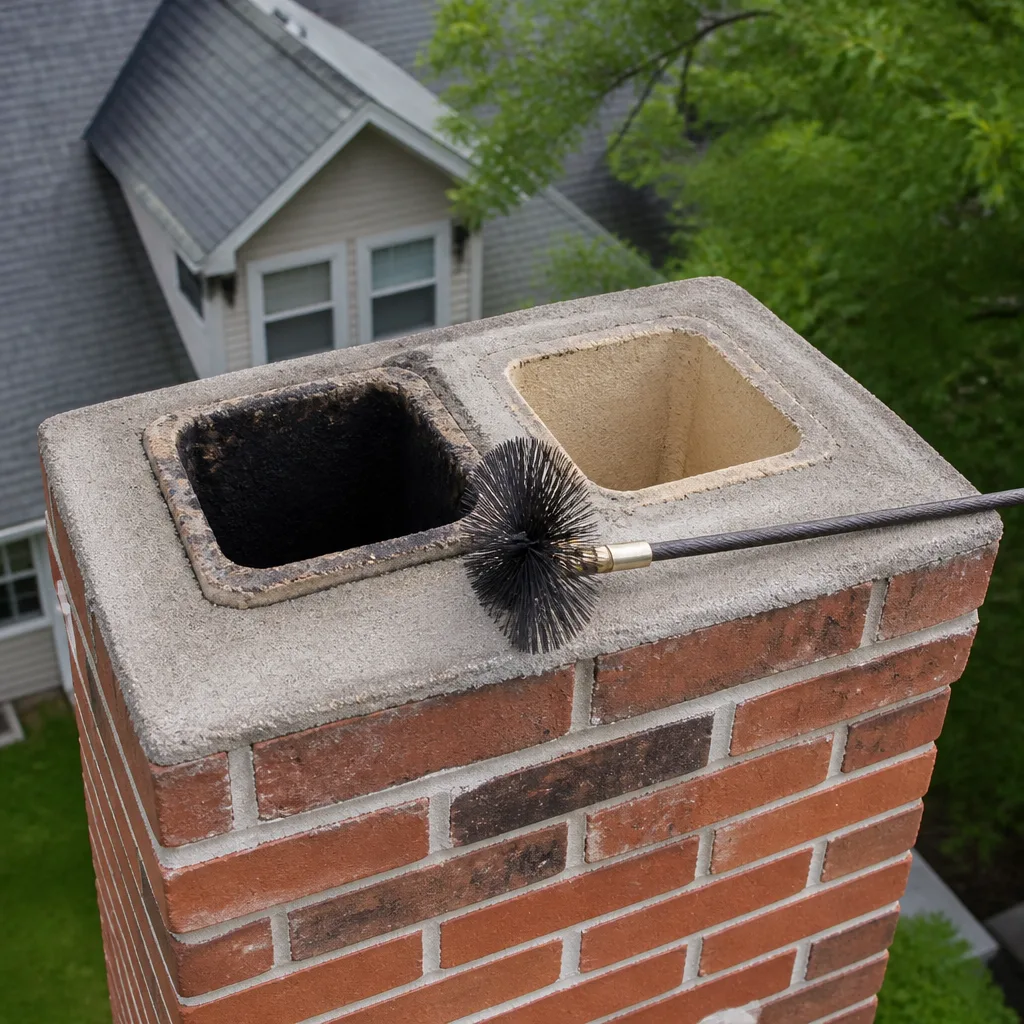
The sweep removes creosote, soot, and debris from the flue and firebox, and reports what was found in the process. A proper sweep includes a camera inspection of the flue and a photo report, so you can see the condition of the liner for yourself rather than taking it on faith. Sweeping is cleaning plus observation.
Role 3: The inspector
An inspection evaluates the whole system: the flue and liner, the firebox and damper, the crown, the flashing, the cap, the exterior masonry, and the appliance connection. Inspections follow the levels defined in NFPA 211, the standard that covers chimneys, fireplaces, vents, and solid fuel appliances. The inspector is the one who documents findings in a form you can file and hand to an adjuster or a buyer.
In our experience, the confusion between these roles is what lets maintenance slide. A homeowner who thinks “I had it swept, so I’m covered” hasn’t had the system evaluated. A homeowner who understands the three roles knows exactly what they have and what they still need.
Homeowner Visual Checks: What You Can Safely Assess
The homeowner portion of the checklist is about frequency and observation, not technique. Run through the visual list above once a month during the burning season and again after any high-wind event. Each check takes a few minutes and produces a note, not a repair.
Two cautions belong here. First, never reach into the firebox to move or inspect a component while a fire is burning or while the chimney is still hot. Second, and more importantly, do not attempt to inspect or clean inside the flue yourself. The flue is where the real hazards live, and the standard for entering it is training and equipment, not enthusiasm.
What you’re building with these checks is a baseline. When you know what your cap looked like in October, you’ll notice immediately if a gust has bent it in November. Visalia sits in the San Joaquin Valley where wind events are a real seasonal feature, and the cap and screen are the first components to take the hit. A displaced cap lets water and animals in. A torn screen lets birds and squirrels nest in the flue, which is a blockage and a fire risk rolled into one.
Write down what you see. Not a formal report, just a dated note. “Oct 12: cap straight, screen intact, damper free, no staining.” That single line becomes valuable when you hand the folder to an inspector or an adjuster, because it shows the homeowner was paying attention between professional visits. The professional record carries the weight, but the homeowner notes fill the gaps and show continuity.
If any visual check turns up something that worries you, stop there. Don’t investigate further. Note what you saw and book a professional visit.
Maintenance Sweep vs. Diagnostic Inspection
These are two different services, and Visalia homeowners often need both in the same visit. Here’s the distinction that matters.
A maintenance sweep is cleaning. The technician removes creosote, soot, and debris from the flue and firebox, checks that the flue is clear, and typically runs a camera through to confirm condition. It’s routine work, matched to how much you burn and what you burn.
A diagnostic inspection is evaluation. The inspector assesses the whole system against the levels in NFPA 211: safety, structure, and appliance compatibility. It produces findings and recommendations in writing, including anything that needs repair and anything that can safely wait.
When do you need both at once? Here’s a practical rule set for Visalia homeowners:
- You’ve burned a full season and it’s your annual visit. Sweep, then inspect. The sweep clears the flue so the inspection can actually see the liner. Doing the inspection on a sooted flue hides defects.
- You’ve changed anything about the system. A new appliance, a new liner, a new cap, a fuel change from wood to gas, or a conversion in the other direction. The inspection confirms the appliance and the venting are compatible.
- You’re buying or selling a house. Inspection first, at the level the transaction requires. A sweep may follow, but the report is the deliverable.
- You’ve had a chimney fire, even a small one. Inspection at the level that assesses structural damage, before the fireplace runs again.
- You’ve noticed a change. New staining, a smell, a draft that didn’t used to be there, smoke spilling into the room. That’s a diagnostic question, not a cleaning question.
The levels themselves escalate with the situation. A routine annual evaluation is a lower level than an inspection triggered by a fire, a liner replacement, or a change in appliance. The point for the homeowner is simpler: ask which level your visit covers and get it in the report. If you don’t know what level you had, you don’t know what was checked.
Both services sit under one roof here. A chimney sweep and an inspection booked together means one visit, one report, and no gap between what was cleaned and what was evaluated. For homeowners who’d rather not coordinate two contractors and two schedules, that continuity is the whole reason to book them as a pair.
Visalia-Specific Items: Wind, Summer Heat, Rainy Season
Generic checklists are written for a national average. Visalia has its own pattern of stress on a chimney, and it shows up in three specific places.
Cap and screen after high-wind events
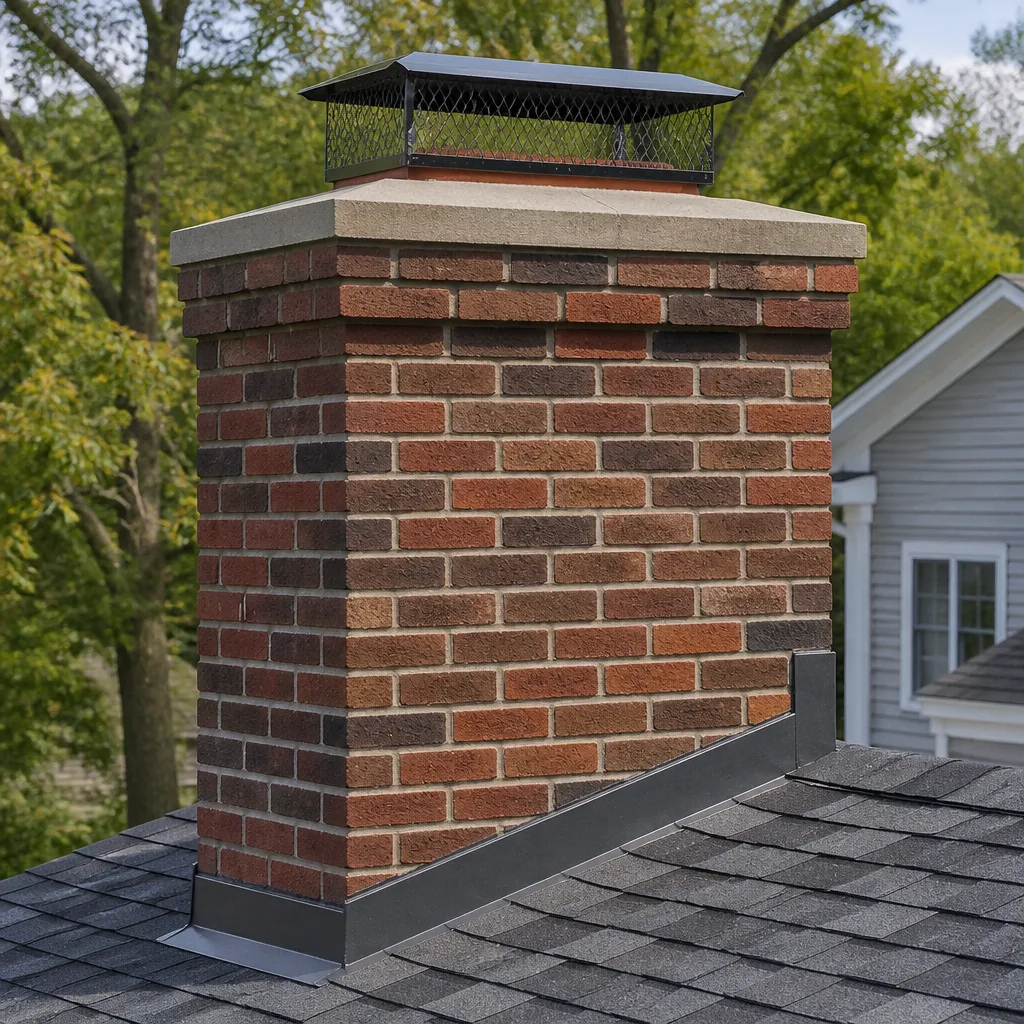
The cap and spark screen take the brunt of valley wind. A cap that’s been knocked askew lets rain into the flue, and a screen with a torn panel is an open door for birds and squirrels. Check both after any significant wind event, not just on the annual schedule. If the cap is loose or the screen is torn, that’s a repair, not a cleaning item, and it’s a good example of a small job that prevents a big one. Proper component selection matters here, which is why we fit caps and venting parts from professional lines like Gelco rather than whatever the hardware aisle happens to carry.
Mortar joints after summer heat
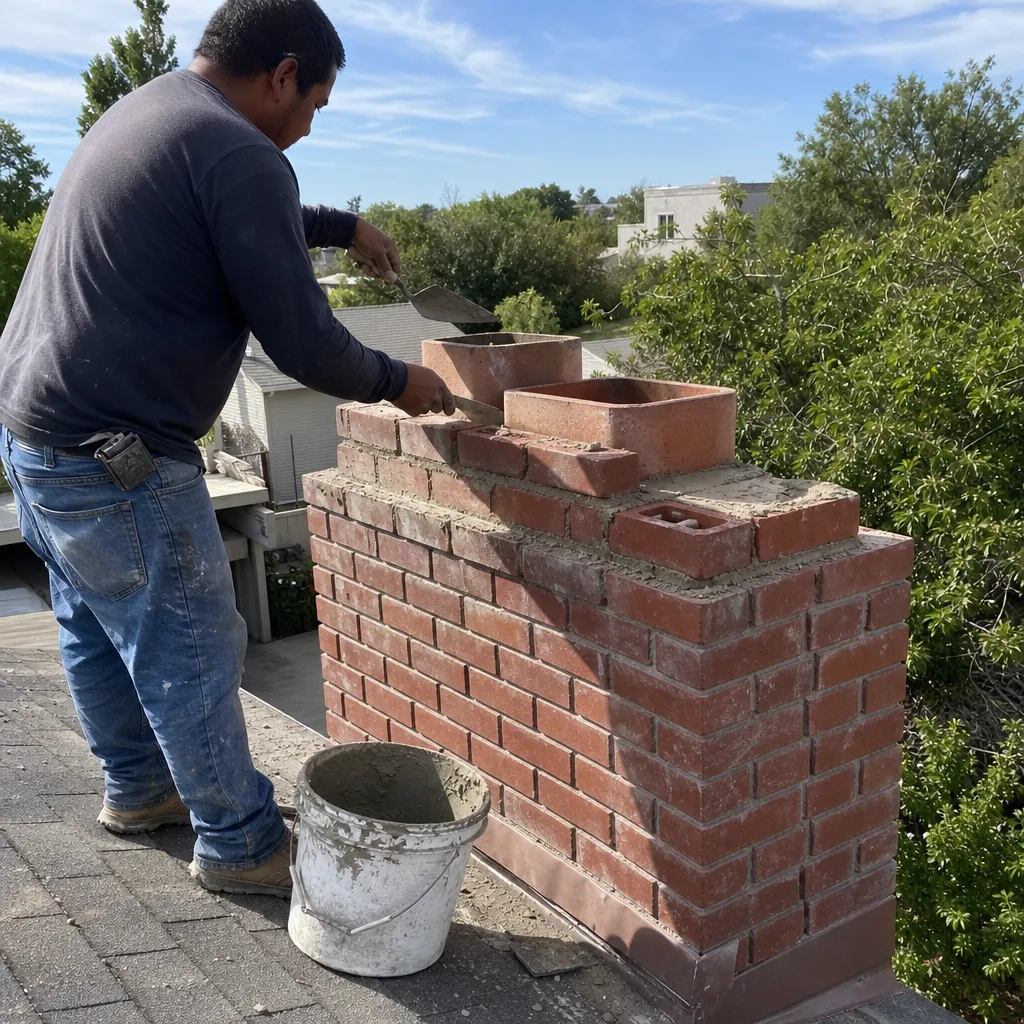
Visalia summers are long and hot, and masonry expands and contracts through those cycles. Mortar joints are the first place that shows up. Look for crumbling, cracked, or receding mortar on the exterior chimney, especially near the top where the sun hits hardest. Small joint failures let water into the masonry, and water in masonry is the beginning of most expensive chimney repairs. Catching a failing joint early is a repointing job. Catching it late is a rebuild.
Flashing before the rainy season
Flashing is the metal where the chimney meets the roof, and it’s the most common source of chimney leaks. Before the rainy season arrives, have the flashing checked. A gap or a lifted edge won’t announce itself until the first real storm, and by then the water is already inside the house. Include flashing in the inspection scope every year, and don’t assume a chimney that looks fine from the ground is watertight at the roof line.
These three items are why a Visalia chimney checklist can’t just be a national template. The failure modes here follow the local calendar: wind in the transitional months, heat expansion through the summer, rain in the wet season. The annual visit should be timed so the flashing and masonry are assessed before the rain, not after.
How to Log Each Inspection to Build a Defensible Record
A record is only useful if it’s complete and consistent. The difference between a folder of receipts and a defensible maintenance history is whether each entry answers the same questions the same way. Here’s how to build one.
- Date every visit. The day and the year. Not “spring” or “fall.” A record with a season instead of a date invites questions.
- Record the technician’s name and CSIA credentials. The Chimney Safety Institute of America credentials are the standard signal in this trade. A record that names the technician and their credential shows who assessed the system and what qualified them to do it.
- Note what was done. Sweep, inspection, or both. If an inspection, which level under NFPA 211. This is the single most important line, because it’s the one adjusters ask about.
- Record the findings in plain language. “Liner intact. Crown shows hairline crack at north edge. Mortar joint failing near top, repoint recommended. Flashing secure.” Specific findings, not “all good.”
- Keep the photos. Camera inspection reports include images of the flue interior. Keep them with the report. A photo of the liner with a date attached is worth more than any written summary.
- Note what was deferred and when it should be revisited. If a repair can safely wait, the record should say so and say when to check again. That line protects you, because it shows the condition was known, assessed, and monitored.
- File it where you’ll find it. A physical folder and a digital copy. The folder goes with the house at sale.
One more piece: ask for the report in writing and keep it. A verbal “you’re fine” from a technician is not a record. The written report with photos is what protects a claim and documents pre-sale condition. Our visits include a photo report for exactly this reason, so the homeowner has something to file rather than something to remember.
Imagine the worst-case scenario: a chimney fire, an insurance claim, and an adjuster asking for evidence of maintenance. A folder with dated reports, named technicians, CSIA credentials, specific findings, and photos answers the question immediately. A folder of receipts doesn’t. The work of building the record is small, and it’s done once a year.
Red-Flag Findings That Require Repair Before Operation
Some findings are recommendations. Others are stop-work conditions: the fireplace should not be operated until the repair is complete. The difference isn’t cosmetic, and it isn’t a sales tactic. It’s about what protects the house and the people in it.
The following findings are red flags. If an inspection reports any of them, the fireplace stays off until the repair is done:
- A cracked or damaged flue liner. The liner is what keeps combustion gases inside the flue and away from the structure. A breach is a path for carbon monoxide and heat into the house.
- Deteriorated mortar joints in the flue itself. Missing mortar between flue tiles lets gases escape into the masonry and the framing behind it.
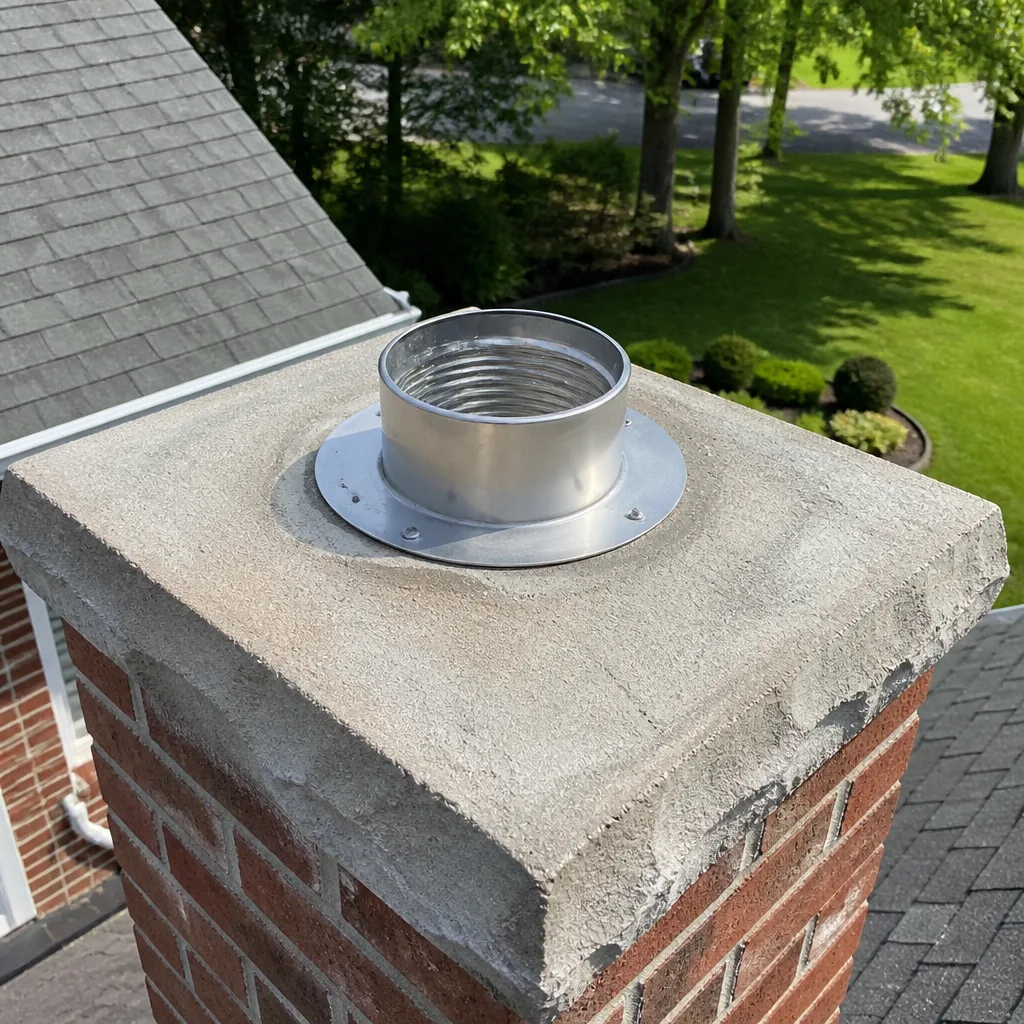
- A damaged or missing crown. The crown sheds water off the top of the chimney. A failed crown lets water into the masonry from above, and it worsens every season.
- A disconnected or improperly connected appliance vent. The vent has to carry exhaust out, not into the attic or the room.
- A blocked flue. Nests, debris, or a collapsed liner section. A blocked flue sends smoke and carbon monoxide back into the room.
- A damaged firebox or a cracked back wall. The firebox contains the fire. Damage there is a direct path for heat into the structure.
- A cap or screen failure that’s letting water or animals in. Not cosmetic. It’s the start of a moisture or blockage problem.
These are the findings that legally and practically require a repair before operation. Not “should consider.” Not “next year.” Done, before the fireplace runs again. If any of them turn up, that’s the point at which the checklist turns into a repair plan, and it’s better to know now than after a fire.
Two of these warrant a specific note because they’re common and often underplayed. Liner repair is technically demanding work, and it’s the reason the material matters. We use DuraFlex flexible liner systems for relining because the system has to be code-compliant and correctly sized to the appliance, not just present. And flue resurfacing with HeatShield addresses a deteriorated flue interior that doesn’t yet need full relining. Both are professional-grade repairs, and both belong in the hands of a chimney specialist, not a generalist. If an inspection flags a liner issue, ask what the repair involves and what material will be used. The answer tells you whether you’re talking to a specialist.
A Seasonal Calendar for Visalia Chimneys
The calendar here follows the local weather pattern rather than a generic national schedule. Timing the work correctly is what makes the checklist manageable.
Before the rainy season
This is the moment for the annual inspection, timed so the flashing, crown, and exterior masonry are assessed before the rain arrives. If repairs are needed, they get done before water has a chance to get in. If you burn wood, this is also a sensible time for the sweep, so the flue is clear going into the season.
Through the summer
Homeowner visual checks continue, with attention to mortar joints on the exterior chimney as the heat cycles through. Note anything that looks like new cracking or crumbling. Valley heat is the stress factor here, and masonry responds to it.
After any wind event
Check the cap and screen. This isn’t on a fixed schedule because the wind isn’t. A quick look from the ground tells you whether the cap is straight and the screen is intact.
Through the burning season
Run the homeowner visual list monthly. Note creosote buildup in the flue, damper function, and anything that seems different. If you burn often, the sweep interval may be shorter than annual. If you burn occasionally, it may stretch longer, but the inspection stays annual.
The full picture: one professional visit a year covering sweep and inspection, monthly homeowner checks through the burning season, and a look at the cap and screen after wind. That’s a manageable schedule that produces a documented record and catches small failures early.
Common Mistakes to Avoid
- Treating a sweep receipt as maintenance proof. A receipt documents cleaning, not inspection. If it doesn’t include inspection findings and photos, it doesn’t answer the question an adjuster asks. Chimney Sweep Visalia documents both in one visit.
- Skipping the inspection because the sweep “looked fine.” The sweep checks what’s visible while cleaning. The inspection evaluates the whole system, including the liner and components the sweep doesn’t assess in depth.
- Ignoring mortar joints through the hot Visalia summer. The heat cycles stress the masonry, and the joints show it first. Catching a failing joint early is repointing; catching it late is a rebuild.
- Not checking the cap and screen after wind. This is the most predictable Visalia failure point, and the cheapest to fix early. A displaced cap lets water in, and a torn screen is an open door.
- Assuming the flashing will hold because the chimney looks fine. Flashing leaks are the most common chimney water problem, and they don’t announce themselves until it rains. Check before the season, not after.
- Storing the report nowhere. A report in a drawer that you can’t find is no better than no report. Keep a physical and a digital copy, and hand the folder to the buyer at sale.
- Using a generalist for a specialist job. An HVAC company or handyman who treats the chimney as a sideline won’t have the liner and resurfacing expertise a masonry chimney can require. Chimney repair calls for a company whose entire trade is the chimney.
Each of these mistakes is about the difference between doing something and documenting it. The work itself isn’t complicated. The record-keeping is what most homeowners miss, and it’s the part that matters when a claim or a sale comes up.
See the difference
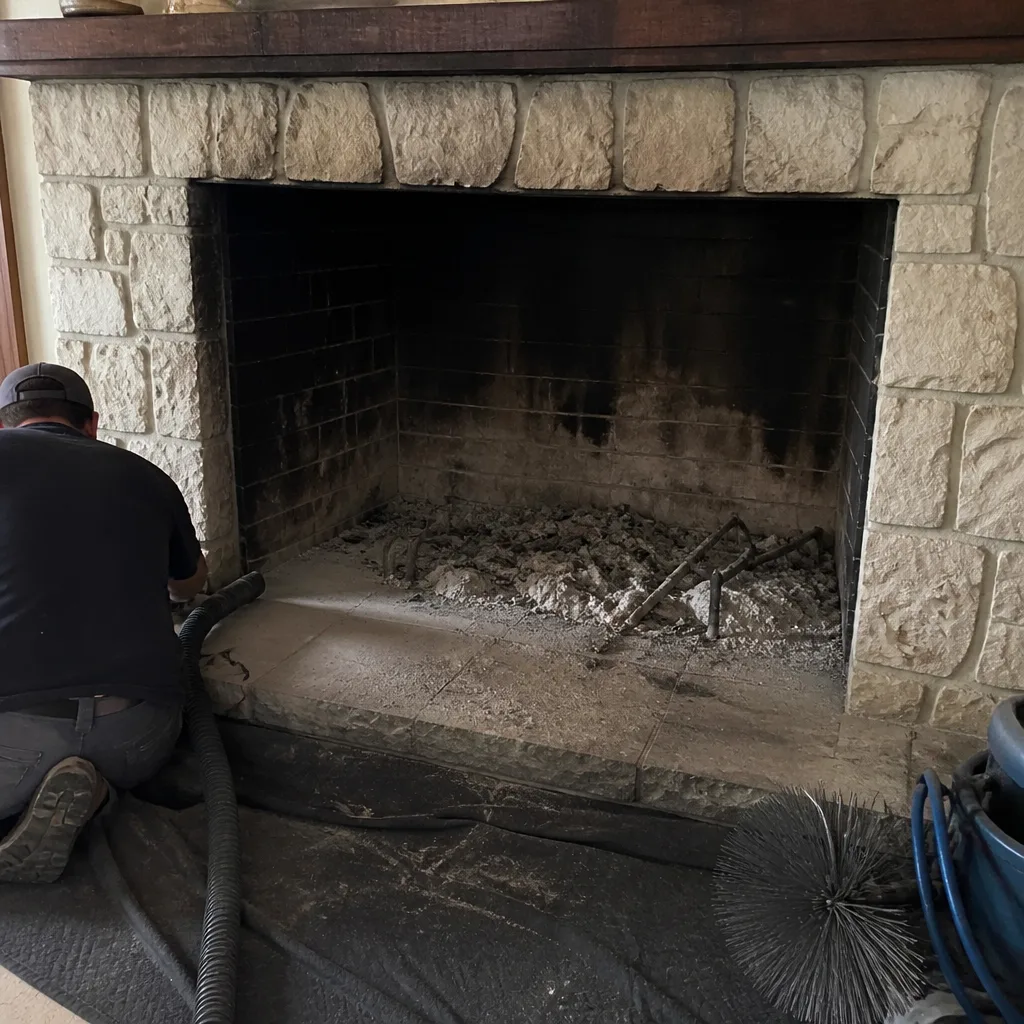 Before
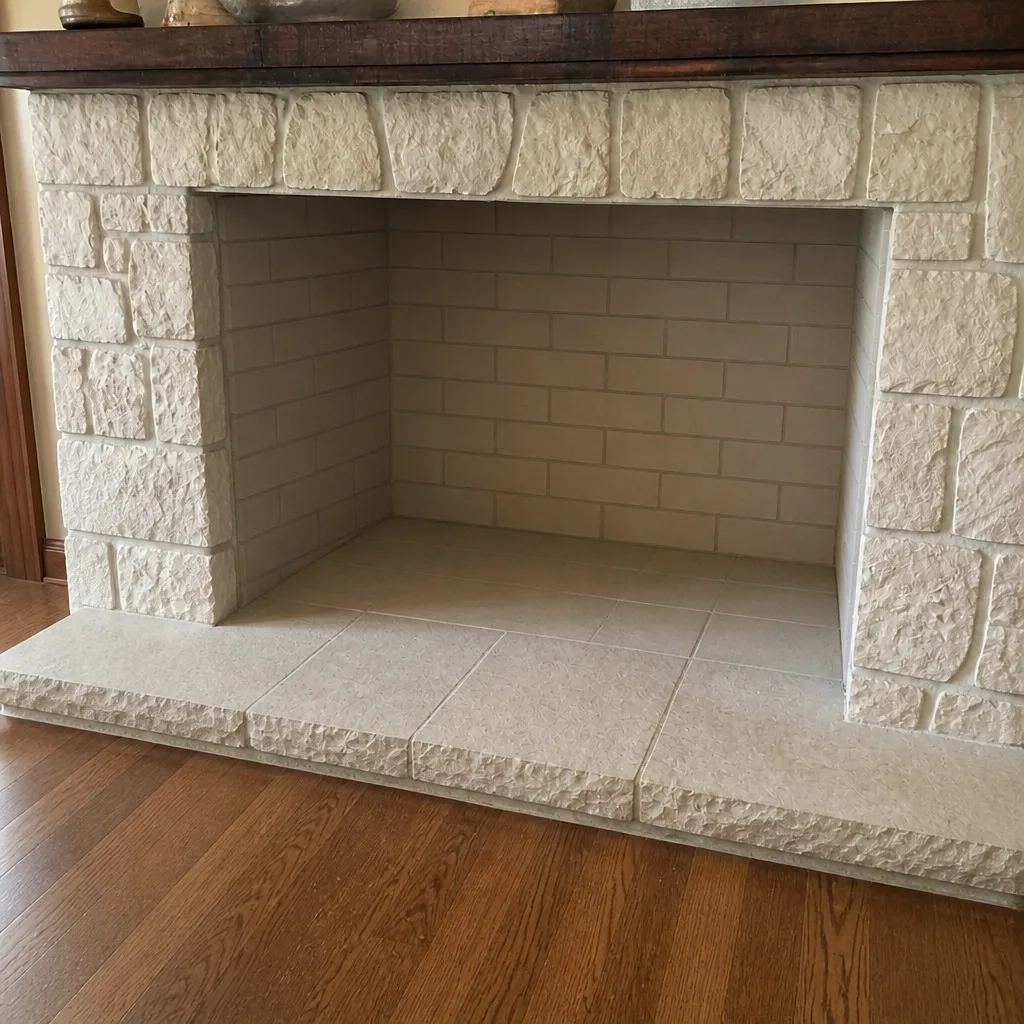 After
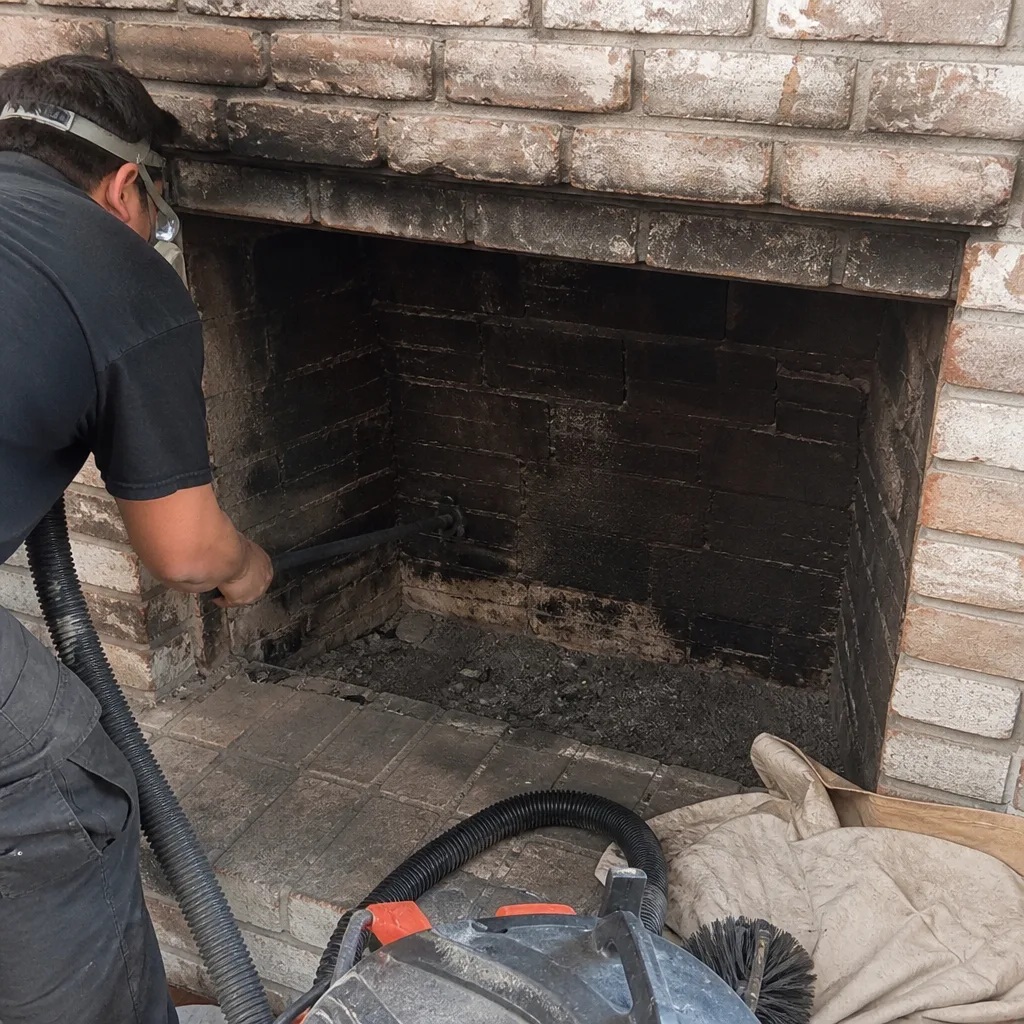 Before
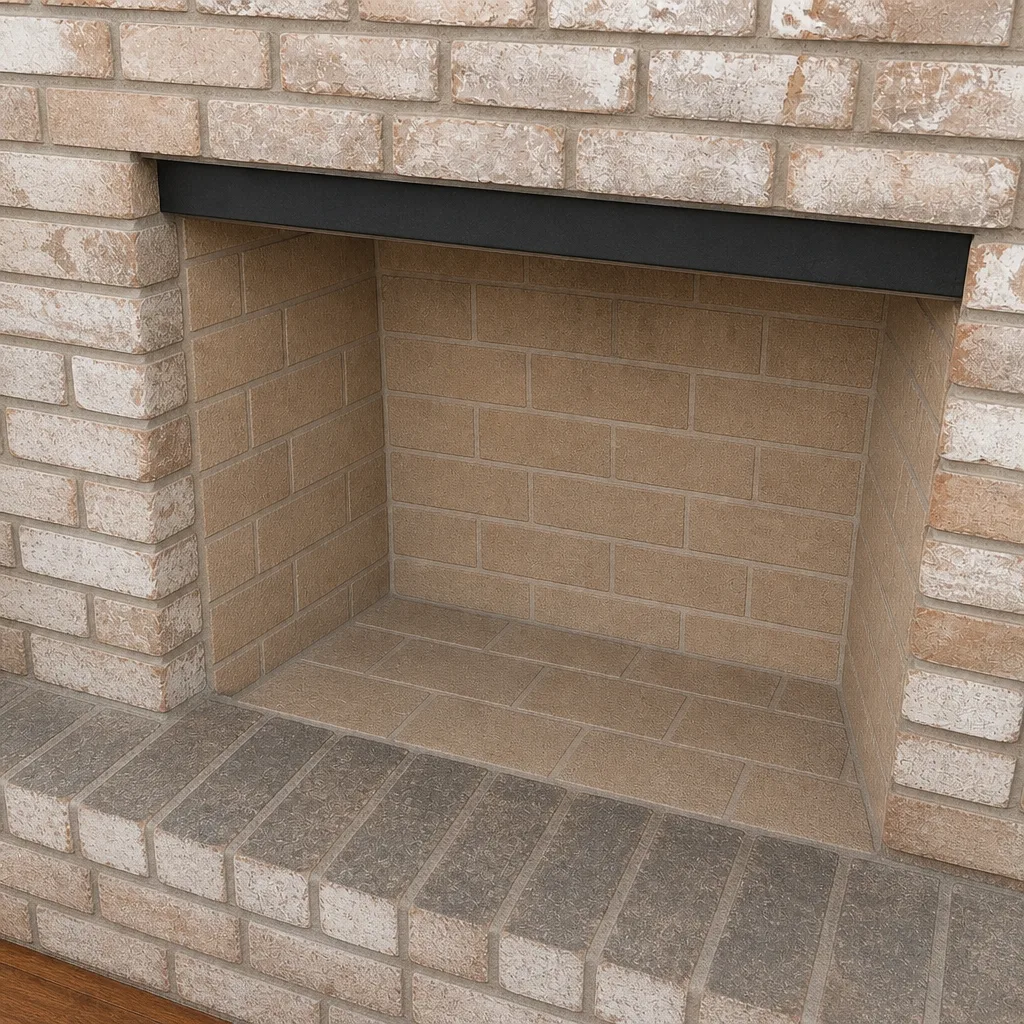 After
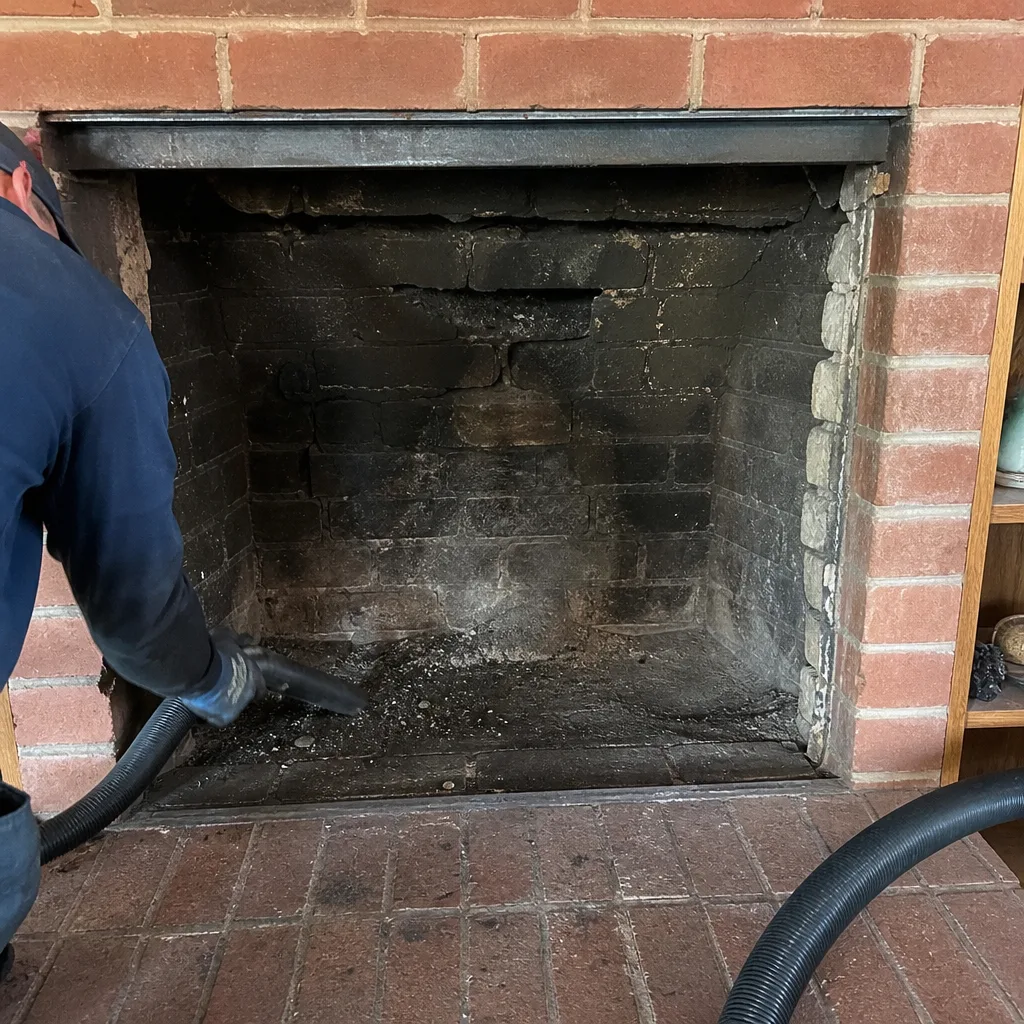 Before
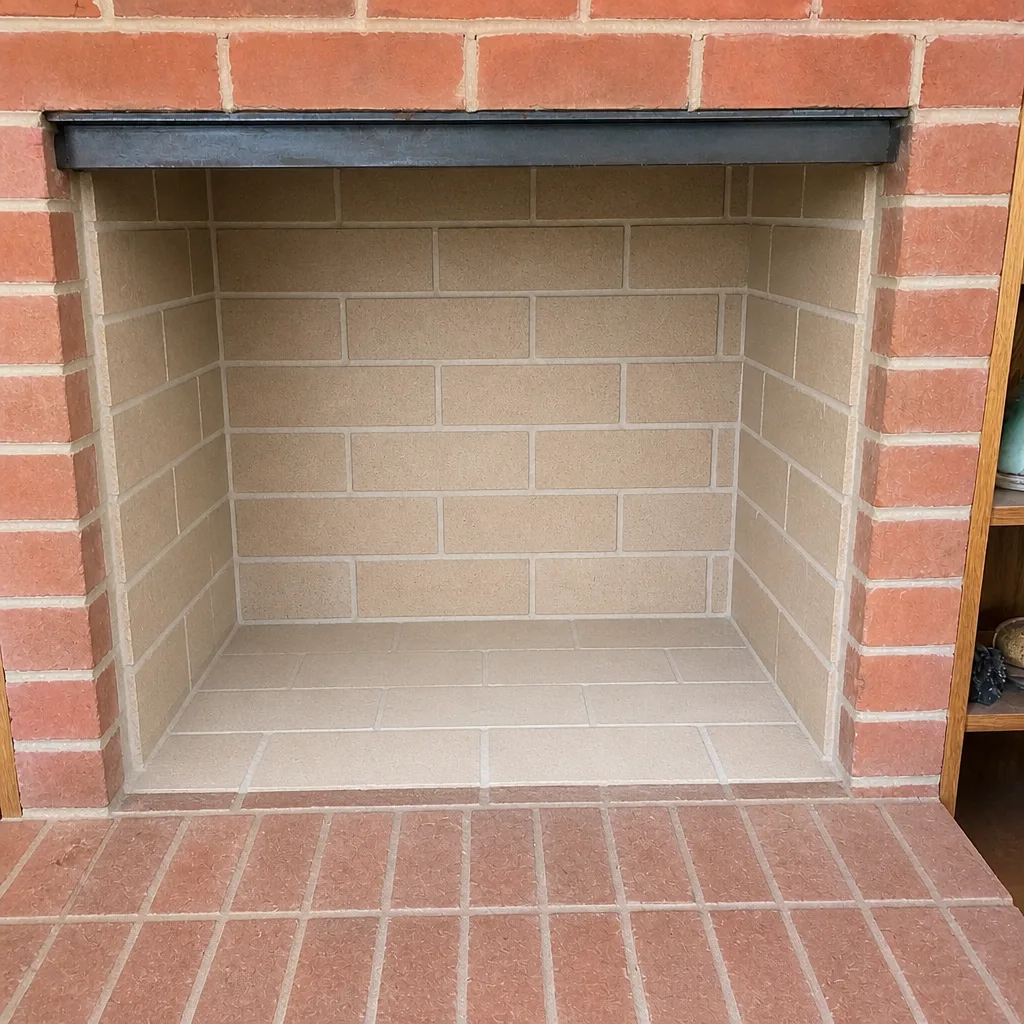 After
When to Call a Professional
Some situations are clear. A chimney fire, even a small one, calls for an inspection before the fireplace runs again. Smoke spilling into the room, a carbon monoxide detector alarm, or a smell that wasn’t there before calls for a diagnostic visit. A visible change to the cap, the screen, or the masonry calls for a look. And the annual sweep and inspection is the baseline for every homeowner.
If you’re not sure whether the chimney can safely wait, that’s a reason to call, not a reason to put it off. Nothing gets recommended without evidence you can see for yourself in the camera report, and we tell you plainly when a repair can wait and when it can’t. Chimney Sweep Visalia offers free estimates in Visalia, and an assessment gives you a written record either way. Call (888) 861-2541 to schedule.
Frequently Asked Questions
A chimney maintenance checklist should cover three layers: homeowner visual checks (cap, screen, firebox, damper, visible creosote), an annual professional sweep, and a diagnostic inspection at the appropriate NFPA 211 level. In Visalia, add cap and screen checks after wind events, mortar joint checks through the summer heat, and flashing inspection before the rainy season. Log every visit with the date, technician name, CSIA credentials, and findings.
A Visalia chimney should be inspected annually and swept based on how much you burn. Wood-burning fireplaces that see regular use often need a sweep once a year, sometimes more if you burn heavily; occasional burners may stretch the interval. The inspection stays annual regardless of fuel type, because it covers safety, structure, and appliance compatibility, not just creosote. Call (888) 861-2541 for an exact quote on a combined visit. Estimates are free.
No. A sweep receipt documents cleaning, not condition. An insurance adjuster reviewing a chimney fire claim wants evidence that the system was inspected and its condition recorded, with dates and findings. A receipt that says “swept” doesn’t show the liner, mortar, or crown were assessed. Keep the written inspection report with photos alongside the receipt, and file both where you can find them.
A maintenance sweep removes creosote, soot, and debris from the flue and firebox. A diagnostic inspection evaluates the whole system against NFPA 211: the liner, firebox, damper, crown, flashing, cap, masonry, and appliance connection. Visalia homeowners often need both in the same visit, especially on an annual visit or after a fire, because sweeping first lets the inspection see the liner clearly. Ask which level your visit covers and get it in the report. Call (888) 861-2541 for an exact quote.
Any finding that breaches the containment of the fire or the flue requires repair before operation. That includes a cracked or damaged flue liner, deteriorated mortar joints in the flue, a damaged crown, a disconnected appliance vent, a blocked flue, a cracked firebox or back wall, and a cap or screen failure letting water or animals in. These aren’t cosmetic recommendations. The fireplace stays off until the repair is done. Call (888) 861-2541 for an assessment. Estimates are free.
You can safely do visual checks from the ground and from inside the house: look at the cap and screen, check the firebox for loose brick, confirm the damper moves freely, look up the flue with a flashlight, and note any staining. What you can’t do is inspect or clean inside the flue. The flue is where the hazards are, and the standard is training and equipment. If a visual check turns up something that worries you, note it and book a professional visit. Call (888) 861-2541. We answer 24/7. Fast dispatch from 7am to 7pm, Sunday through Friday.
The Bottom Line
A chimney maintenance checklist is a record, not a reminder. The sweep cleans, the inspection evaluates, and the documented findings are what protect an insurance claim, a pre-sale disclosure, and the long-term health of the masonry. Visalia’s pattern of wind, summer heat, and rainy season shapes when each task belongs on the calendar, and the red-flag findings are the line between a recommendation and a stop-work condition. Build the folder, keep the photos, and know what level of inspection you had. When you need one company for the sweep, the inspection, and any repair that follows, that’s the whole point of working with a chimney-only specialist.
Call (888) 861-2541 for a free estimate. We answer 24/7. Fast dispatch from 7am to 7pm, Sunday through Friday.
Written by the team at Chimney Sweep Visalia.